Introducing Strada Signals, our new report series on AI for insurance operations. Read our whitepaper →
Introducing Strada Signals, our new report series on AI for insurance operations.
Read our whitepaper →
Introducing Strada Signals, our new report series on AI for insurance operations. Read our whitepaper →
25 Best Tools for Insurance Distribution: Top 8 Categories

Amir Prodensky
CEO
22 min read
Tools that help agencies work faster, sell more, and reduce chaos.
Insurance distribution is getting more competitive, more digital, and a lot faster. Customers expect quick quotes, simple onboarding, and flexible ways to buy. Agents and partners want tools that help them sell, not slow them down.
That’s why the right tech stack matters.
In this guide/listicle, you’ll explore 25 of the best tools across eight key categories, learn how they support growth, and see how teams use them to scale without adding extra chaos.
From CRM platforms to automation and embedded partnerships, you’ll get a clear roadmap of what works today. It’s your practical starting point for choosing smarter insurance distribution software.
But, before we dive into specific tools, it helps to understand why technology is changing distribution in the first place.
Why do digital tools matter for distribution?
Digital tools matter because insurance distribution is changing fast. You’re no longer competing only on products. You’re competing on speed, ease, and experience. Customers expect instant answers and personalized service. If you can’t deliver, they’ll move on.
Technology helps you respond quickly. It streamlines quoting and onboarding, so prospects don’t wait days for decisions. Faster processes mean fewer drop-offs and more conversions.
It also unlocks smarter selling. With real-time data, you see who’s most likely to buy, what they need, and when to follow up. That makes every interaction more relevant and more valuable.
Here’s where digital tools really shine:
They support new channels like embedded insurance, online marketplaces, affinity groups, and partnerships.
They make it easier to scale across multiple distributors without losing control or consistency.
In short, tools like insurance distribution software give you the edge to grow, adapt, and deliver a better customer journey in a competitive market.
Still, knowing digital tools are essential is one thing – choosing the right ones is another. So let’s shift from “why it matters” to “how to judge what’s worth your time.”
How should you evaluate distribution tools?
Evaluating distribution tools can feel overwhelming, but a simple framework makes it easier.
Start by looking at how well the platform can grow with you. Scalability matters because you don’t want to switch systems every time your team, product line, or channel expands. Speed to deploy matters too: long implementations slow momentum and delay revenue.
Next, think about daily users. If agents, brokers, and partners can’t figure it out quickly, they won’t use it. Look for clean interfaces, clear workflows, and minimal training. A tool should make work faster, not add friction.
Integration is another big test. Your distribution platform should connect smoothly with your CRM, policy admin system, and quoting engines. When systems talk to each other, you reduce double entry, avoid errors, and get a full picture of each customer. That leads to better follow-ups and stronger conversions.
Customization is also key. Many teams want white-label options to match their brand and tailor experiences for different channels. Being able to adjust forms, workflows, and portals without heavy coding gives you flexibility and control.
Finally, look beyond the software itself. Compare pricing models, support availability, and the vendor’s track record. Ask about onboarding help, response times, and product roadmap. A reliable partner gives you confidence as you scale.
Here’s a quick checklist to guide decisions:
Can it grow with new products and channels?
Will users adopt it easily?
Does it integrate with what you already use?
Can you brand and tailor it?
Is the vendor stable and supportive?
Choosing the right tool (no matter if it’s automation, portals, or even mga insurance distribution software) should help you sell more, move faster, and deliver a better experience across every relationship.
Once you know what to look for, it’s easier to explore the categories that actually move results. Now we can break down the tools that play a real role in distribution success.
What types of tools power insurance distribution?
Insurance distribution runs on more than effort. It runs on the right tools. To sell faster, support partners, and scale new channels, you need systems that remove friction and automate work.
This is where insurance distribution software and other key platforms step in to power growth end-to-end.
Agency management systems (AMS)
AMS tools help you organize policies, tasks, and client data in one place. They cut manual work, speed up renewals, and make communication smoother. You get clearer visibility and cleaner workflows.
That’s why they’re a core part of digital tools for hybrid insurance distribution and a smart first step toward scaling.
Applied Epic
The website: appliedsystems.com
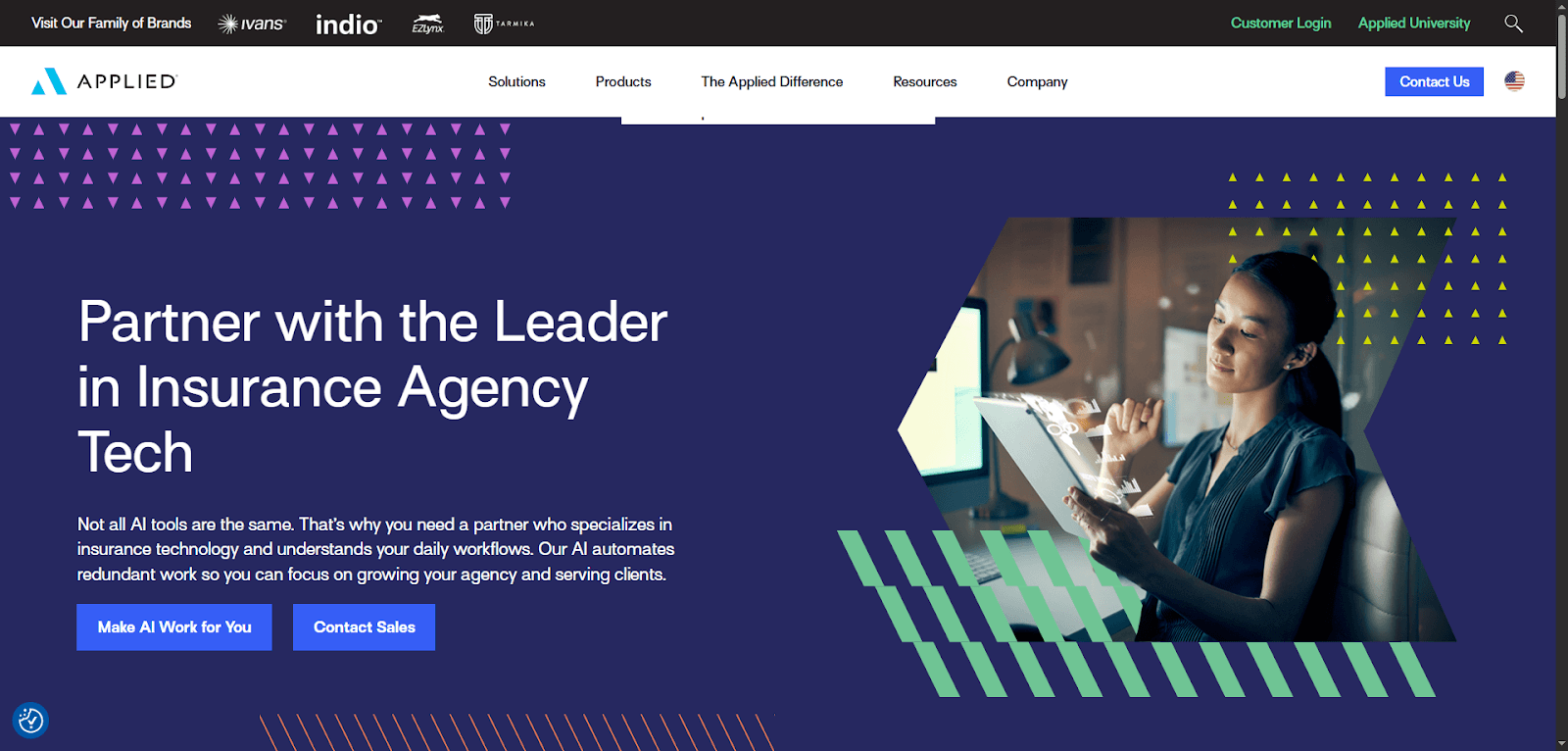
Applied Epic is one of the most widely used agency management systems, and it’s built to simplify how you run your insurance business. It gives you a single place to manage policies, clients, sales, service, and financials, so you don’t waste time jumping between tools.
You’ll work faster, stay organized, and keep every team member on the same page.
It helps you:
Automate daily tasks
Track renewals and opportunities
Improve communication with clients and carriers
Reduce manual data entry
You also get mobile access, customer self-service options, and built-in analytics to spot growth opportunities. Plus, its strong integrations and digital workflows make scaling easier as your agency grows.
If you want a modern, efficient way to run your agency, Applied Epic delivers a proven, industry-trusted platform.
AMS360 (Vertafore)
The website: vertafore.com
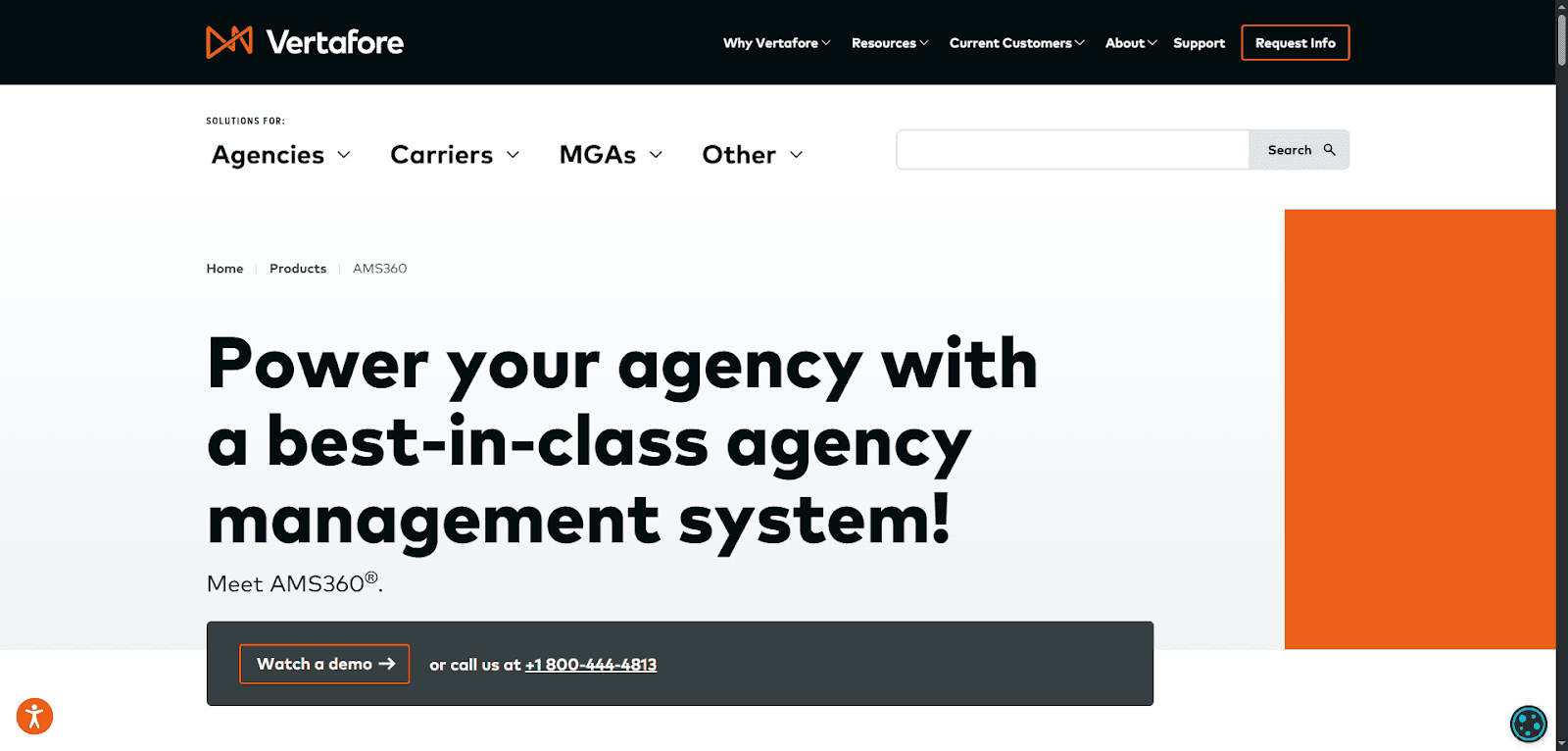
AMS360 (Vertafore) is a solid choice if you want an AMS that helps you work smarter, not harder. It keeps your entire agency in one system, so you don’t waste time on duplicate entry or hunting for information.
You’ll manage policies from bind to renewal, track activities, and respond to clients faster.
Here’s where it really helps:
Automates billing, invoicing, and commission tracking
Downloads policies, claims, and renewals directly from carriers
Gives quick search and reporting to spot trends and priorities
It also supports renewals, proposals, and certificate delivery, which saves hours during busy seasons.
Plus, built-in communication tools let you send the right messages at the right time. If you want efficiency, clear visibility, and a system that scales with growth, AMS360 delivers.
EZLynx Agency Management
The website: ezlynx.com
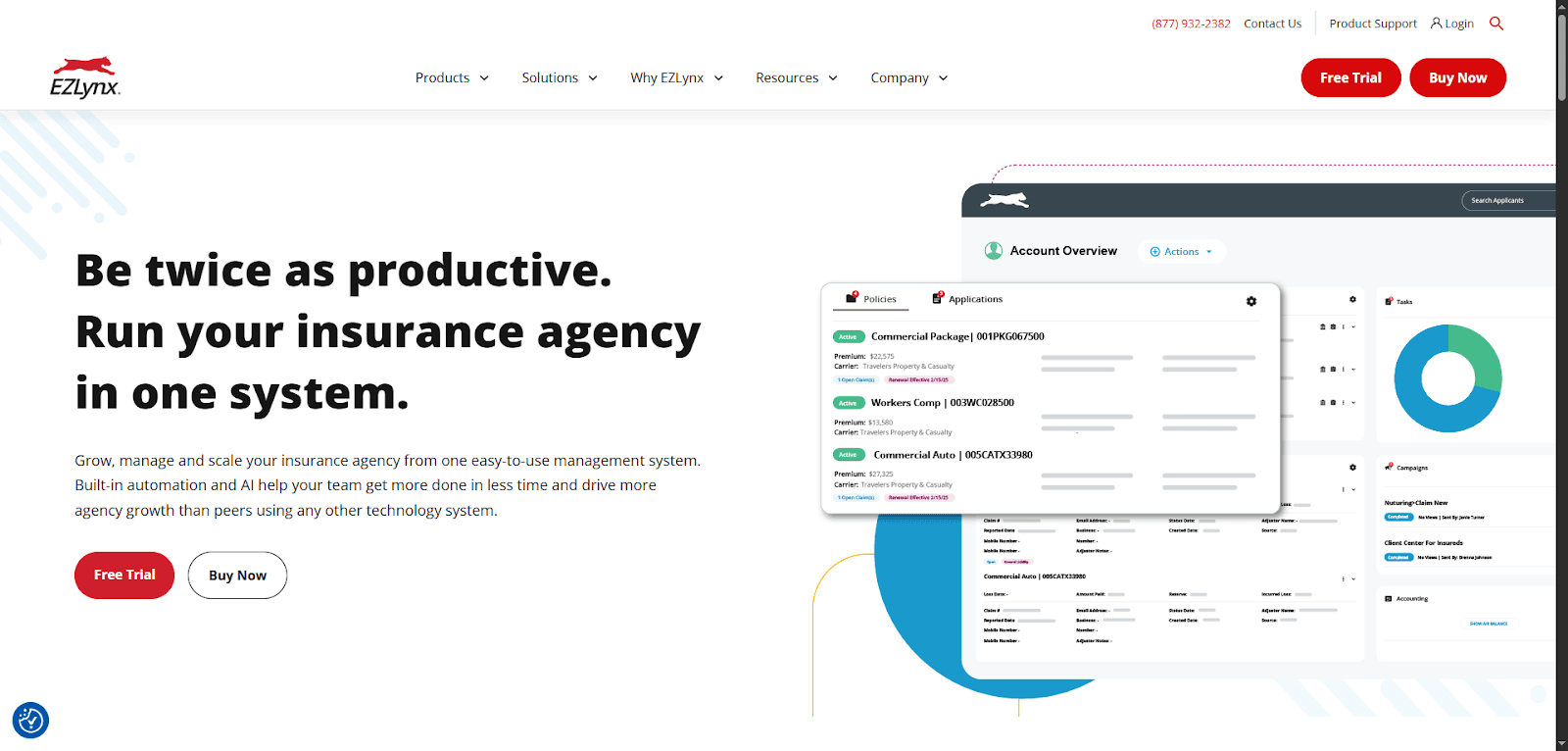
EZLynx Agency Management is built for agencies that want to work faster, stay organized, and grow without juggling multiple systems. It puts quoting, policy management, documents, service requests, and client communication in one place, so you don’t waste time switching tools.
You’ll handle the full policy lifecycle digitally and cut out paper-heavy processes.
It helps you:
Automate routine tasks and reminders
Manage renewals and service requests quickly
Quote multiple carriers with one entry
You also get built-in AI and automation to boost productivity without adding staff. Plus, tools like client portals, accounting, reporting, and website options support growth at every stage.
No matter if you’re a new agency or expanding, EZLynx gives you an all-in-one system that keeps your team efficient and your clients connected.
AgencyBloc
The website: agencybloc.com
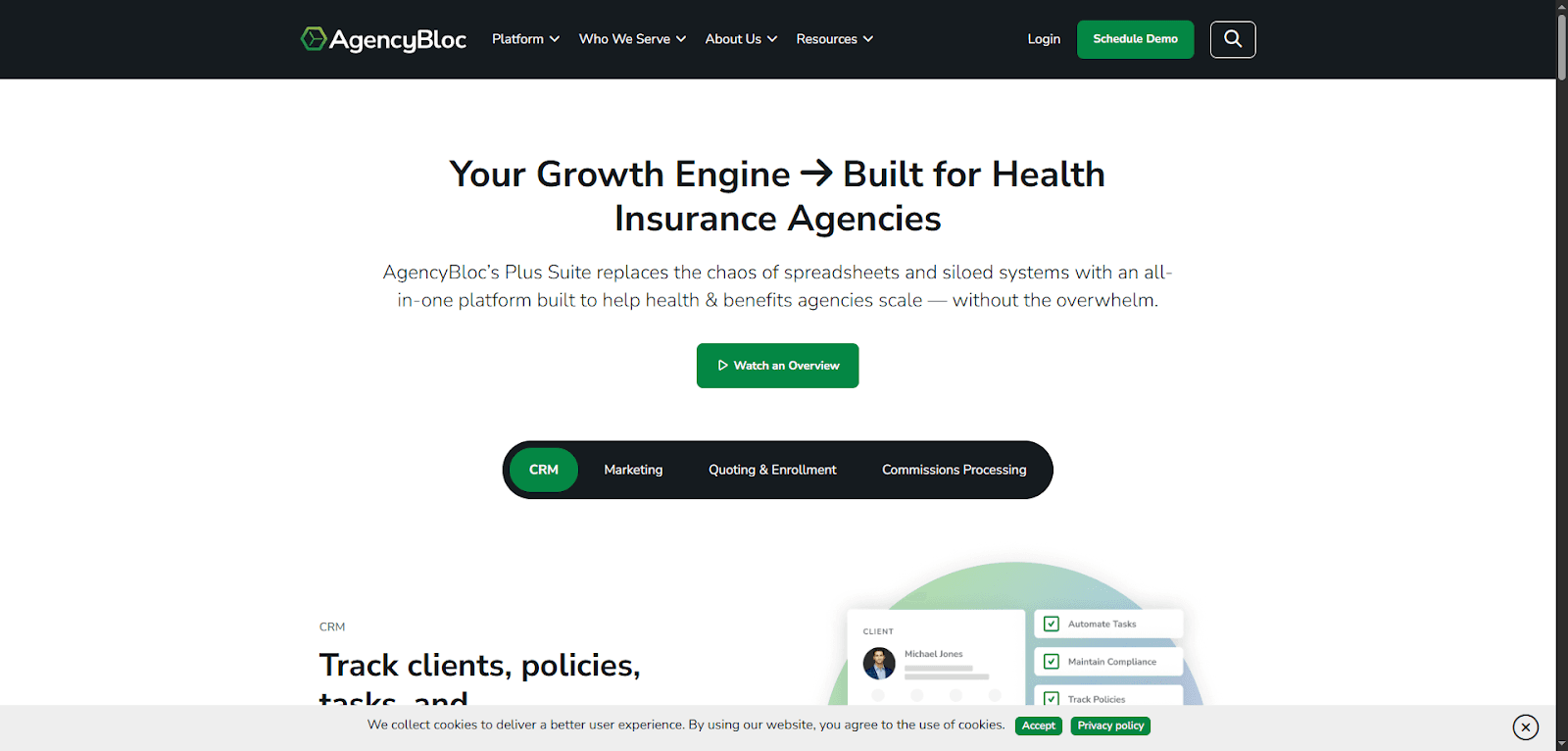
AgencyBloc is designed for health and benefits agencies that want a single system to manage clients, policies, sales, and commissions. Instead of juggling spreadsheets and disconnected tools, you’ll run everything in one platform, so your team stays organized and focused.
It’s built to help you grow without adding chaos.
Here’s what it makes easier:
Track clients, policies, tasks, and communication
Automate workflows and reminders
Process commissions accurately and on time
You can also handle quoting and enrollment in the same system, which cuts manual work and speeds up sales. Plus, built-in marketing tools help you nurture leads and stay connected with clients.
If you want a clear, scalable way to run your agency and boost productivity, AgencyBloc gives you a streamlined, growth-ready AMS.
Broker management systems
These platforms give brokers a central hub to track deals, manage submissions, and handle carrier relationships. They reduce back-and-forth and help teams move faster. You’ll see fewer errors and better productivity.
Strong broker systems also act as practical insurance distribution management software that supports growth across multiple markets and partners.
NowCerts
The website: nowcerts.com
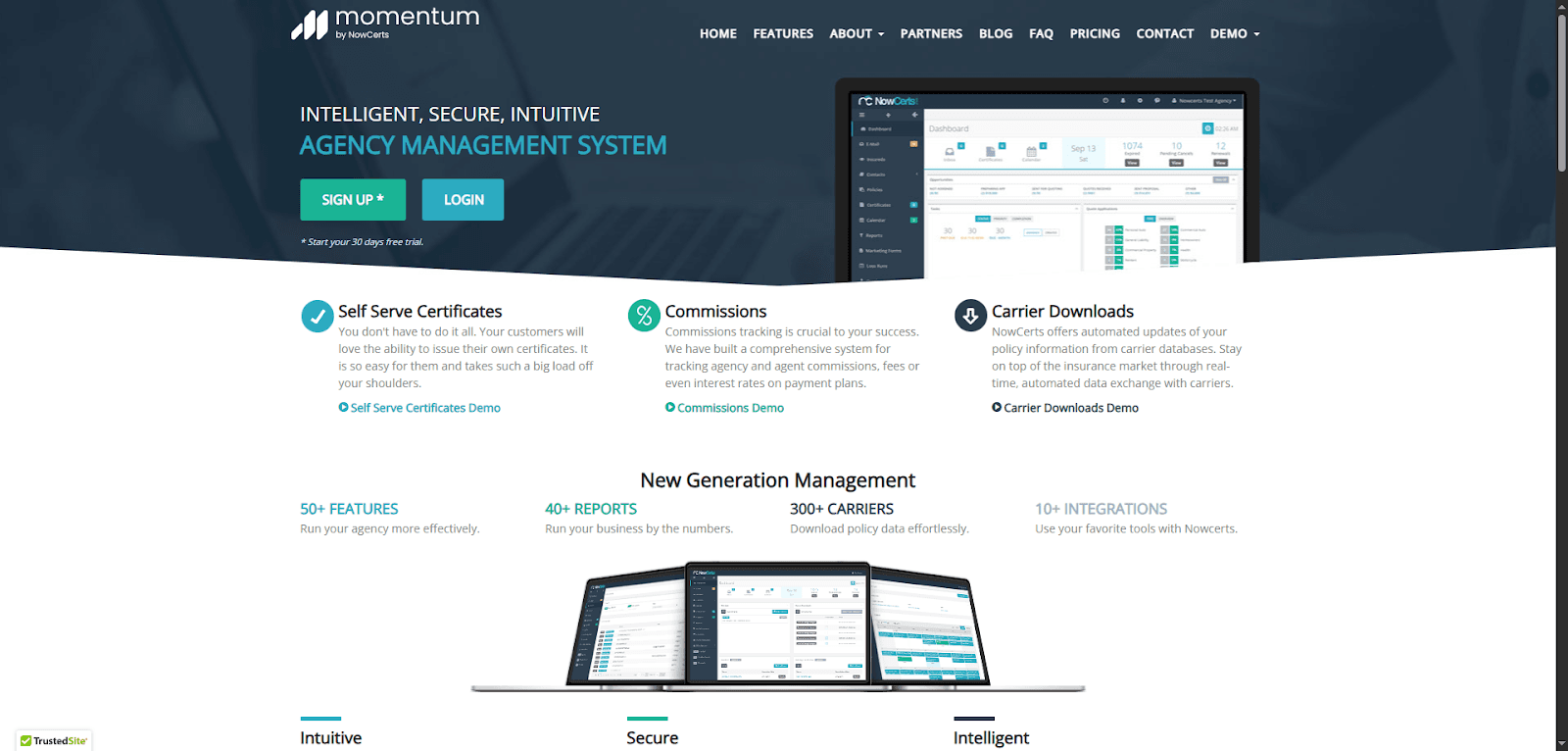
NowCerts is a broker management system built to help you run your agency efficiently without extra hassle. It’s intuitive, secure, and packed with features that cut manual work.
You’ll manage policies, clients, tasks, and documents in one place, so you don’t waste time bouncing between tools.
One big win is self-serve certificates. Clients can issue their own certificates, which saves you hours. You’ll also track commissions accurately and get real-time carrier downloads to keep policy info up to date.
Key benefits include:
50+ features and 40+ reports
Easy invoicing, tasks, and ACORD forms
Integrations with QuickBooks, Google Drive, Gmail, and more
Plus, it’s easy to learn, offers 24/7 support, and doesn’t lock you into contracts. If you want a smarter, simpler way to manage your agency, NowCerts delivers.
Jenesis Software
The website: jenesissoftware.com
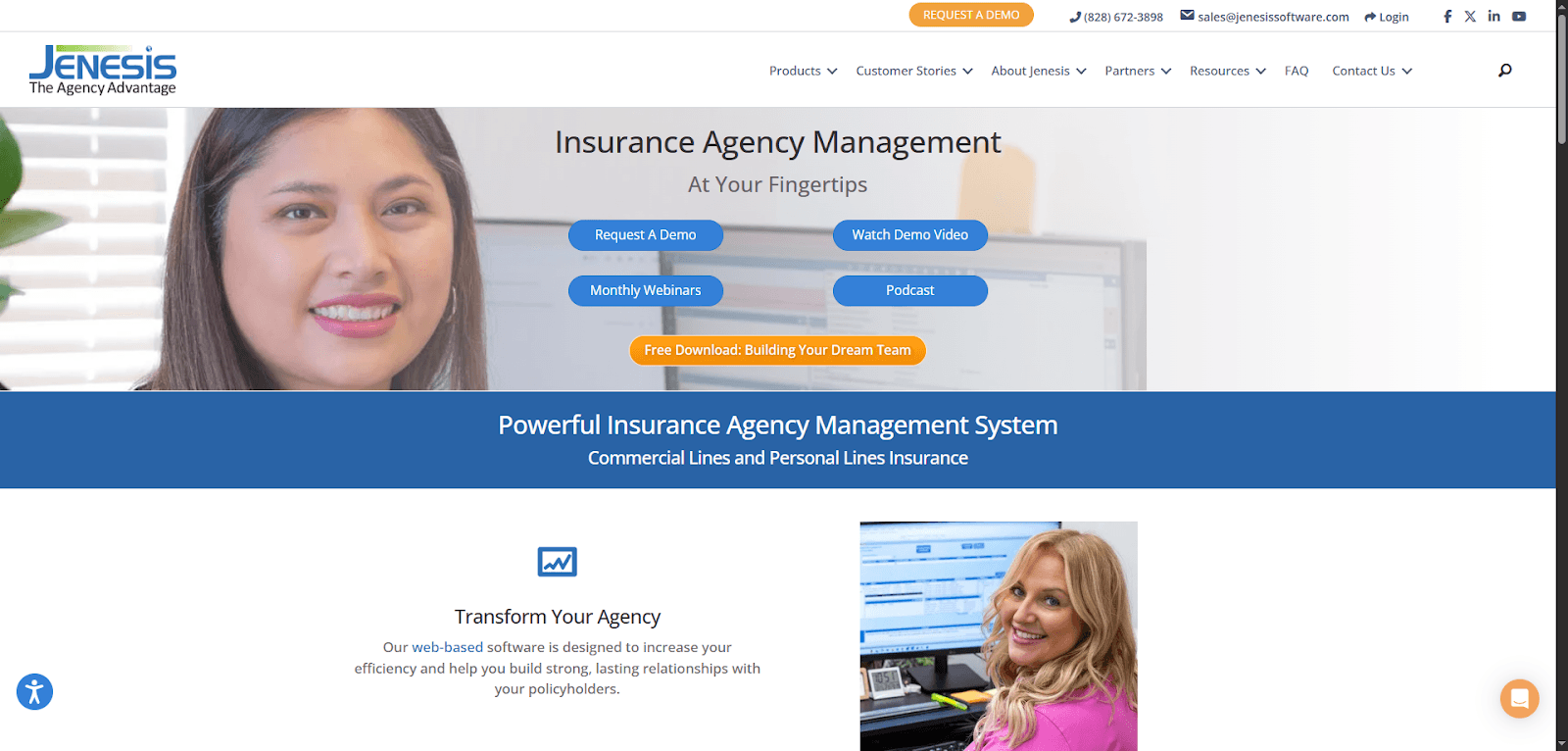
Jenesis Software is a broker management system designed to help agencies work faster, stay organized, and deliver better service. It’s web-based, so you can access client and policy information anytime, without being tied to a single device.
You’ll manage personal and commercial lines in one simple system, which cuts busywork and keeps everything clear.
It makes your day easier by helping you:
Manage clients, policies, and tasks in one place
Improve customer service with a 24/7 client portal
Handle marketing and communication efficiently
You can also offer clients access to documents and certificates without extra phone calls or emails.
Plus, Jenesis provides training and ongoing support, so you’re never on your own. If you want a friendly, efficient system built by agents who understand your world, Jenesis is a strong fit.
CRM platforms tailored to insurance
A purpose-built CRM helps you track leads, automate follow-ups, and personalize outreach. It keeps every relationship organized and boosts conversion.
When tied to quoting or onboarding, it becomes a powerful engine for revenue. It’s where insurance distribution software meets the efficiency of automated insurance distribution platforms.
Zoho CRM
The website: zoho.com
Zoho CRM is a flexible, insurance-friendly CRM that helps you convert more leads, stay organized, and build stronger client relationships. It brings all your contacts, activities, and communication into one system, so you don’t lose time juggling spreadsheets or emails.
You’ll get a clear 360° view of every prospect and client, which makes follow-ups easier and more meaningful.
Here’s what you’ll gain:
Automated workflows and reminders
AI tools to spot opportunities and improve communication
Fast reporting and forecasting to track performance
You can also integrate Zoho with thousands of apps, so your quoting, marketing, and service tools stay connected. It’s easy to customize, affordable, and scales as you grow. If you want a CRM that helps you sell smarter and stay in control, Zoho CRM is a strong pick.
Salesforce Financial Services Cloud
The website: salesforce.com
Salesforce Financial Services Cloud gives insurance teams a powerful, client-focused CRM built to improve sales, service, and retention. It pulls all policy, account, and interaction data into one place, so you always know where a client stands and what they need next.
You’ll work smarter with AI that helps spot opportunities, streamline tasks, and guide personalized outreach.
Here’s what you can do:
Automate onboarding, service, and follow-ups
Get a 360° view of every client and policy
Track performance with clear dashboards and insights
It’s also flexible enough for agencies, brokerages, and carriers, making it easy to connect producers, account managers, and service teams. As you grow, you can integrate other tools and scale without changing systems.
If you want a modern CRM that drives productivity and stronger relationships, this platform delivers.
HubSpot CRM
The website: hubspot.com
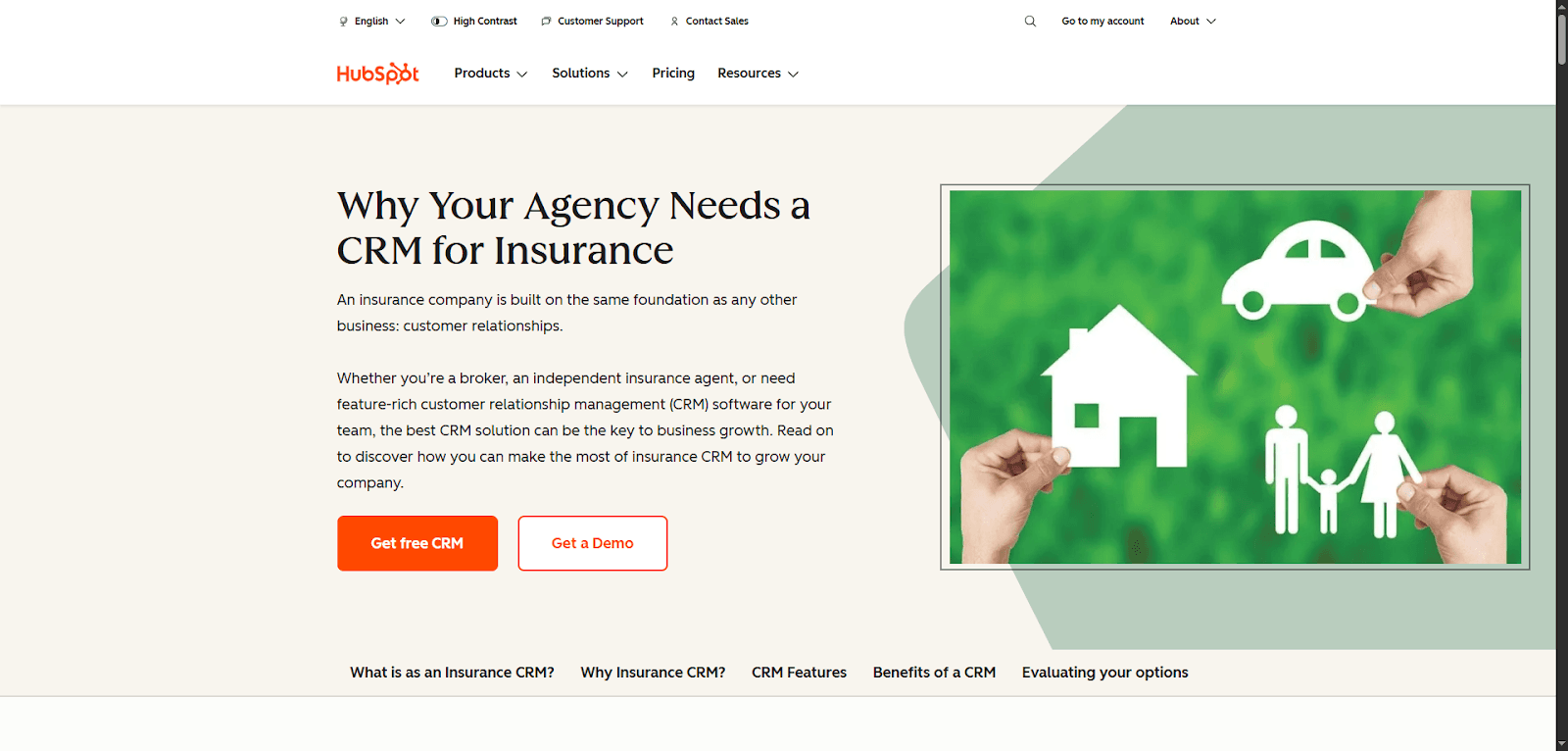
HubSpot CRM is a great fit if you want a simple, insurance-friendly system to manage leads, clients, and communication in one place. It helps you stay organized, follow up on time, and never lose track of a prospect or policyholder.
You’ll save hours by cutting manual entry and automating routine tasks.
Here’s what you can do:
Capture and track leads from any channel
Assign and prioritize tasks automatically
View every interaction in one clean timeline
You also get email templates, marketing tools, and reporting to see what’s working and what’s not.
The best part? HubSpot starts free, so you can grow without a big upfront cost. As your agency scales, you can add advanced features when you’re ready. If you want a CRM that’s easy, efficient, and built for growth, HubSpot delivers.
Odoo CRM
The website: odoo.com
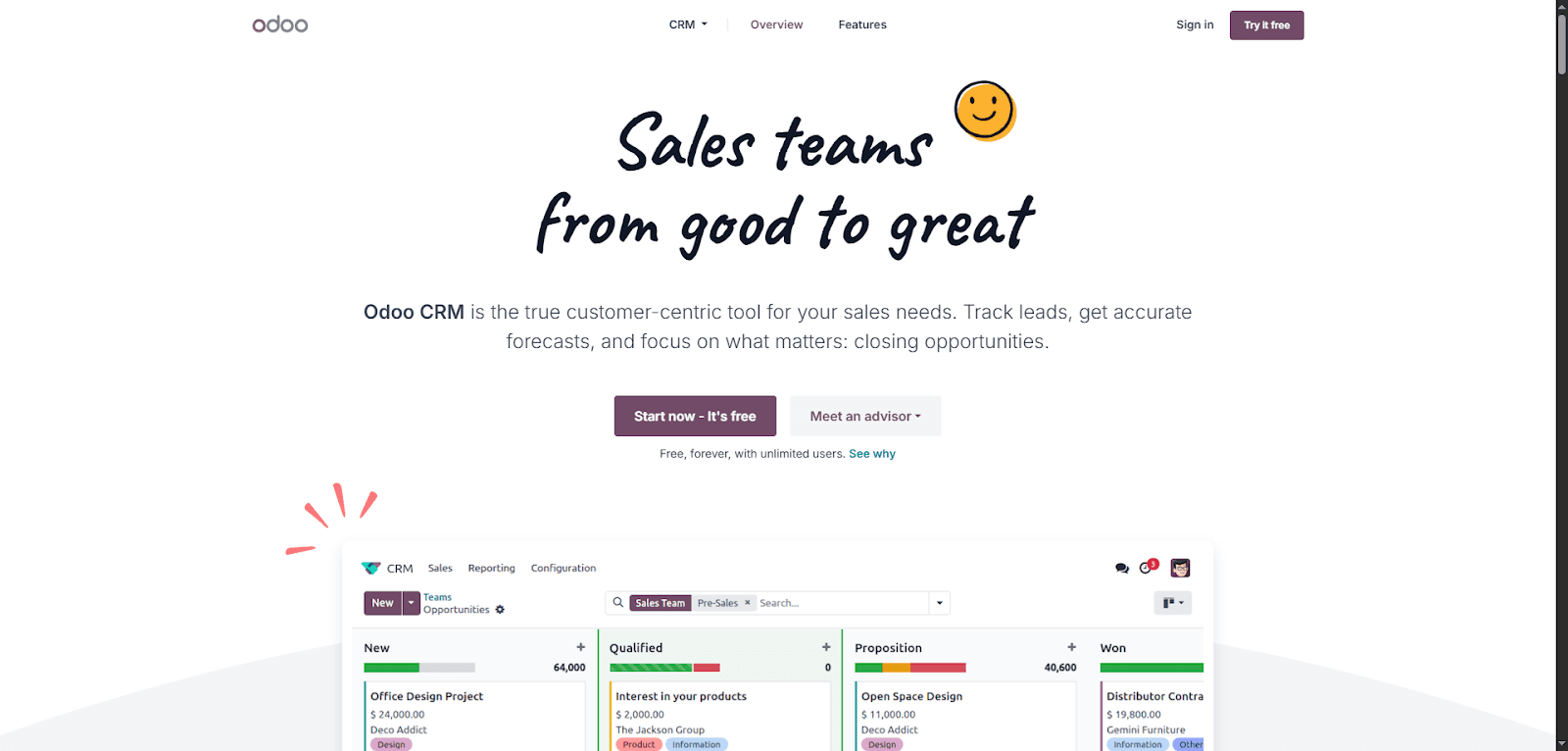
Odoo CRM is a flexible, customer-focused platform that helps insurance teams track leads, manage pipelines, and close deals faster. You’ll see every opportunity in a clean visual board, so you always know what stage it’s in and what revenue it could bring.
Moving deals forward is simple: just drag, drop, and keep going.
It makes your day easier by helping you:
Schedule follow-ups so nothing slips
Communicate in one place through email, SMS, chat, or calls
Send professional quotes in just a few clicks
You also get AI-powered lead scoring, real-time reporting, and dashboards to spot trends and prioritize the right prospects. Since Odoo integrates with other apps like marketing, subscriptions, and sales, you can expand as your agency grows.
If you want a simple, scalable CRM that keeps you focused on selling, Odoo delivers.
Quoting and rating engines
These tools speed up pricing by pulling data, applying rules, and generating rates instantly. They cut wait times and reduce manual review. Faster quotes mean happier prospects and more closed deals.
They also support compliance and consistency, which makes insurance distribution licensing software an important piece of a modern tech stack.
EZ-RATER
The website: ezlynx.com
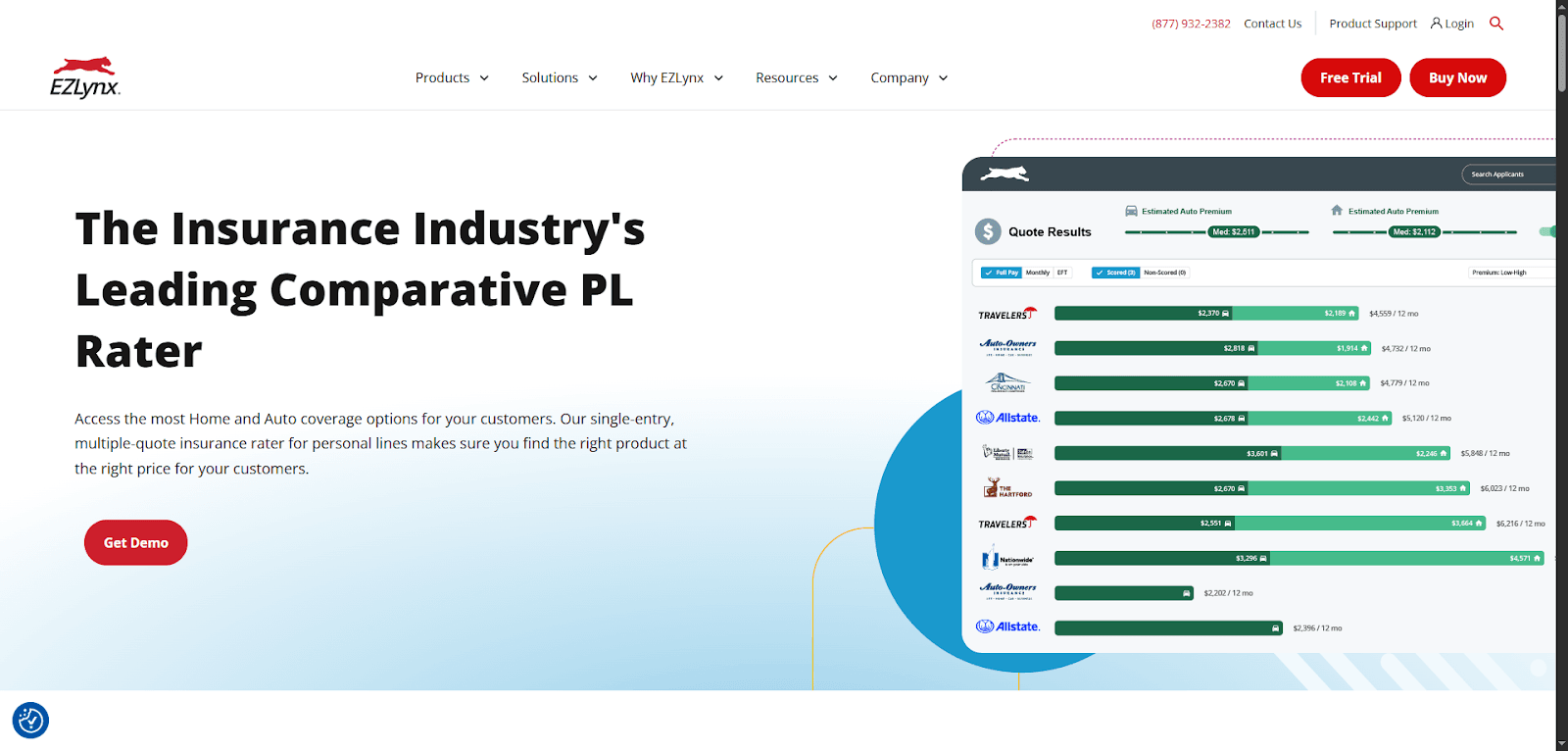
EZ-RATER (EZLynx Rating Engine) is a fast, easy quoting tool for personal lines. It lets you enter customer details once and instantly compare real-time quotes from hundreds of carriers. That means you don’t waste time rekeying data or hopping between carrier portals. You’ll find the best option quickly and move to binding in minutes.
It helps you:
Boost speed with single-entry quoting
Reduce errors with pre-fill and accuracy checks
Stay productive with templates and saved info
You can also offer 24/7 website or text-based quoting to capture more leads without extra effort.
The clean comparison view makes it simple to explain options to customers. If you want to quote faster, win more business, and spend less time on manual work, EZ-RATER makes the process smooth and efficient.
Duck Creek Rating
The website: duckcreek.com
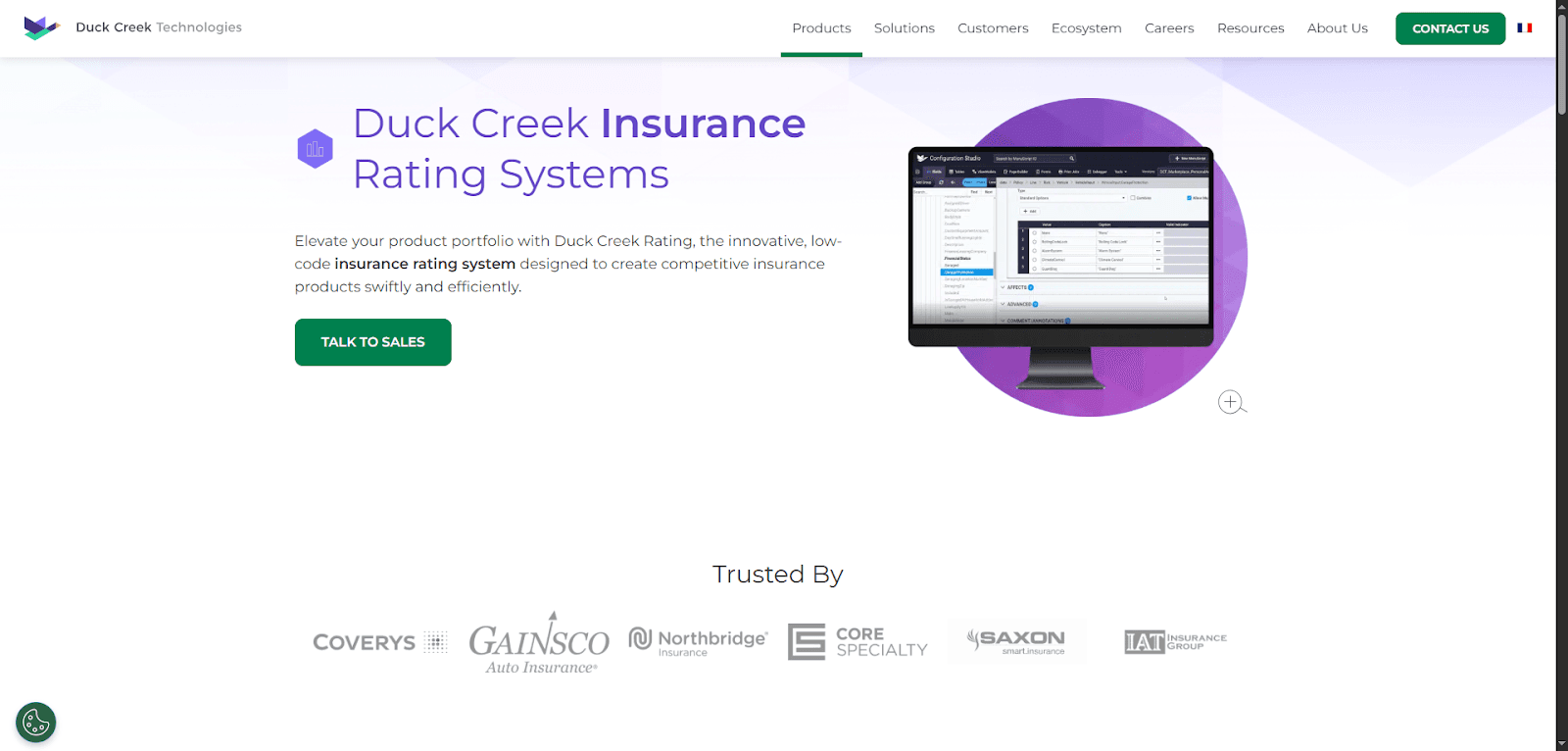
Duck Creek Rating is built for insurers that need to launch and update products fast. Instead of relying on heavy coding or long IT cycles, you can adjust rates, rules, and forms with simple, low-code tools.
That means you respond to market changes quickly and stay competitive. You’ll also speed up product development by reusing existing templates instead of starting from scratch.
It helps you:
Bring new products to market faster
Test “what-if” pricing changes before you go live
Manage the full product lifecycle in one system
You can support multiple lines of business and integrate with other systems, so your workflows stay connected.
As your portfolio grows, you just build on what you already have. If you want smarter pricing, faster launches, and more agility, Duck Creek Rating delivers a modern, scalable approach.
Digital onboarding and e-KYC systems
Onboarding tools make it easy to verify identities, collect documents, and approve applications without paperwork. They shorten the time from interest to activation. Agents and partners don’t get stuck in slow steps, and customers enjoy a smoother start.
It’s a simple way to remove friction and increase conversion at the front door.
iDenfy
The website: idenfy.com
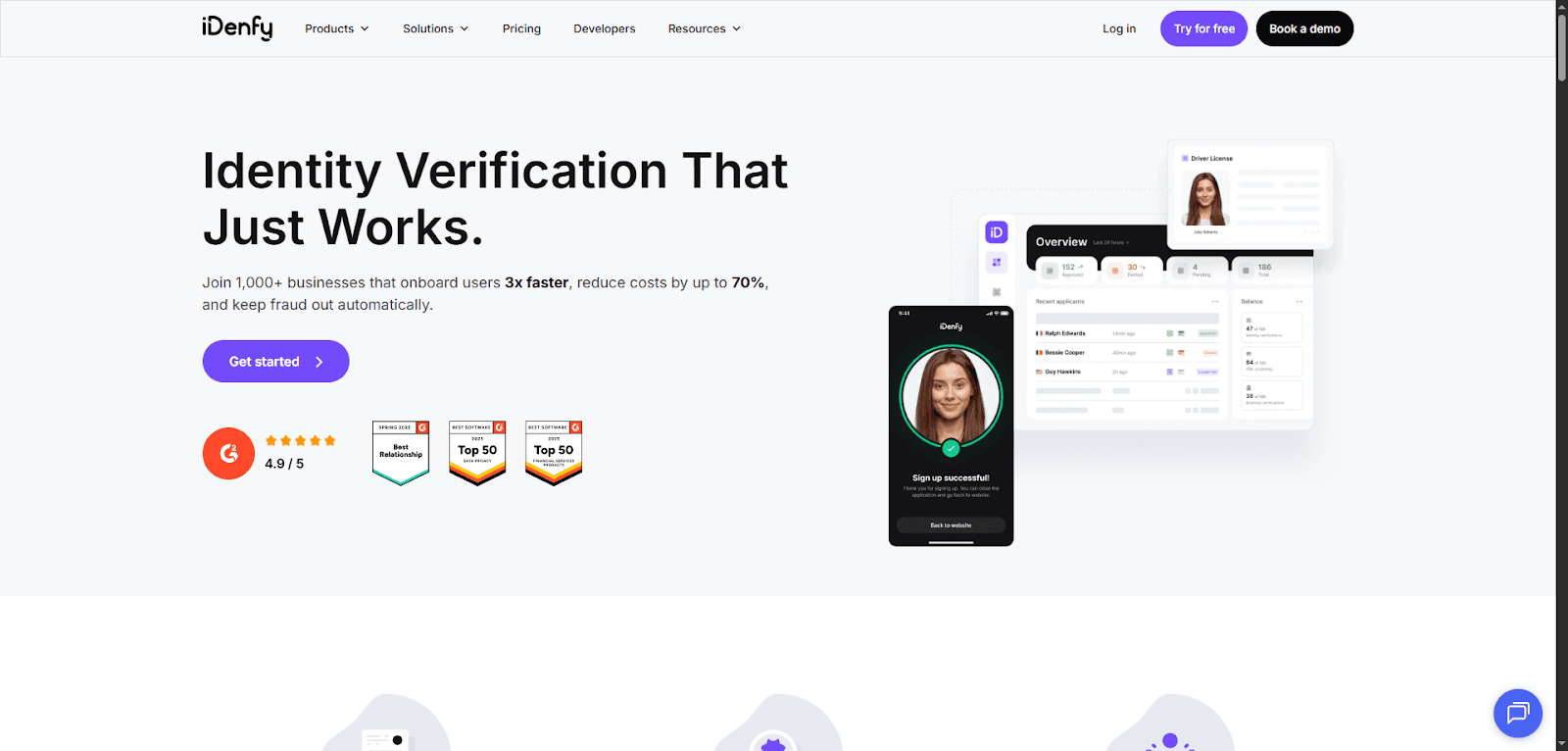
iDenfy is a fast, automated digital onboarding and e-KYC platform that helps you verify customers securely while keeping costs low.
It combines AI and human review to confirm identities, catch fraud, and meet KYC, KYB, and AML requirements without slowing down your onboarding process. You’ll verify users in minutes, not days.
Here’s what you get:
Identity checks with biometric and document verification
Screening against sanctions, PEPs, and watchlists
Business verification for KYB compliance
It works in 200+ countries and supports thousands of document types, so scaling globally is simple. You only pay for successful verifications, which helps cut onboarding costs by up to 70%.
If you want to reduce fraud, stay compliant, and onboard customers smoothly, iDenfy delivers a reliable, plug-and-play solution.
Identomat
The website: identomat.com
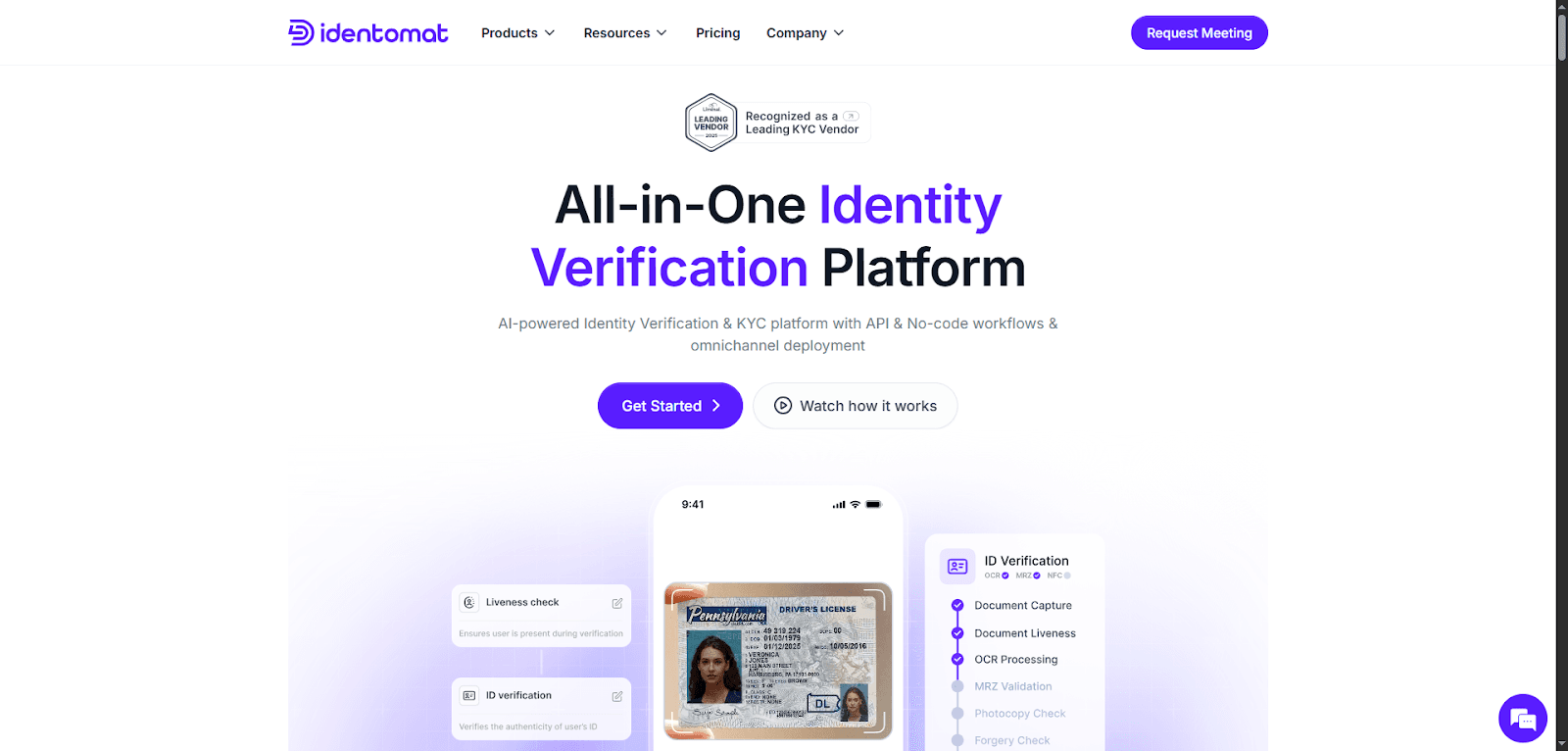
Identomat is an all-in-one digital onboarding and e-KYC platform that helps you verify customers quickly, securely, and with less manual work.
It uses AI-powered face matching, document checks, and liveness detection to confirm identities and block fraud in real time. You’ll onboard users in seconds instead of hours, creating a smooth experience that reduces drop-offs.
It helps you:
Confirm identities with biometric and ID verification
Screen users for sanctions, PEPs, and AML risks
Run video KYC when extra oversight is needed
Identomat works across 165+ countries and supports thousands of document types, so scaling globally is simple. You can customize workflows without coding and deploy on web or mobile. If you want fast onboarding, strong compliance, and lower fraud risk, Identomat offers a flexible, cost-effective solution.
SEON
The website: seon.io
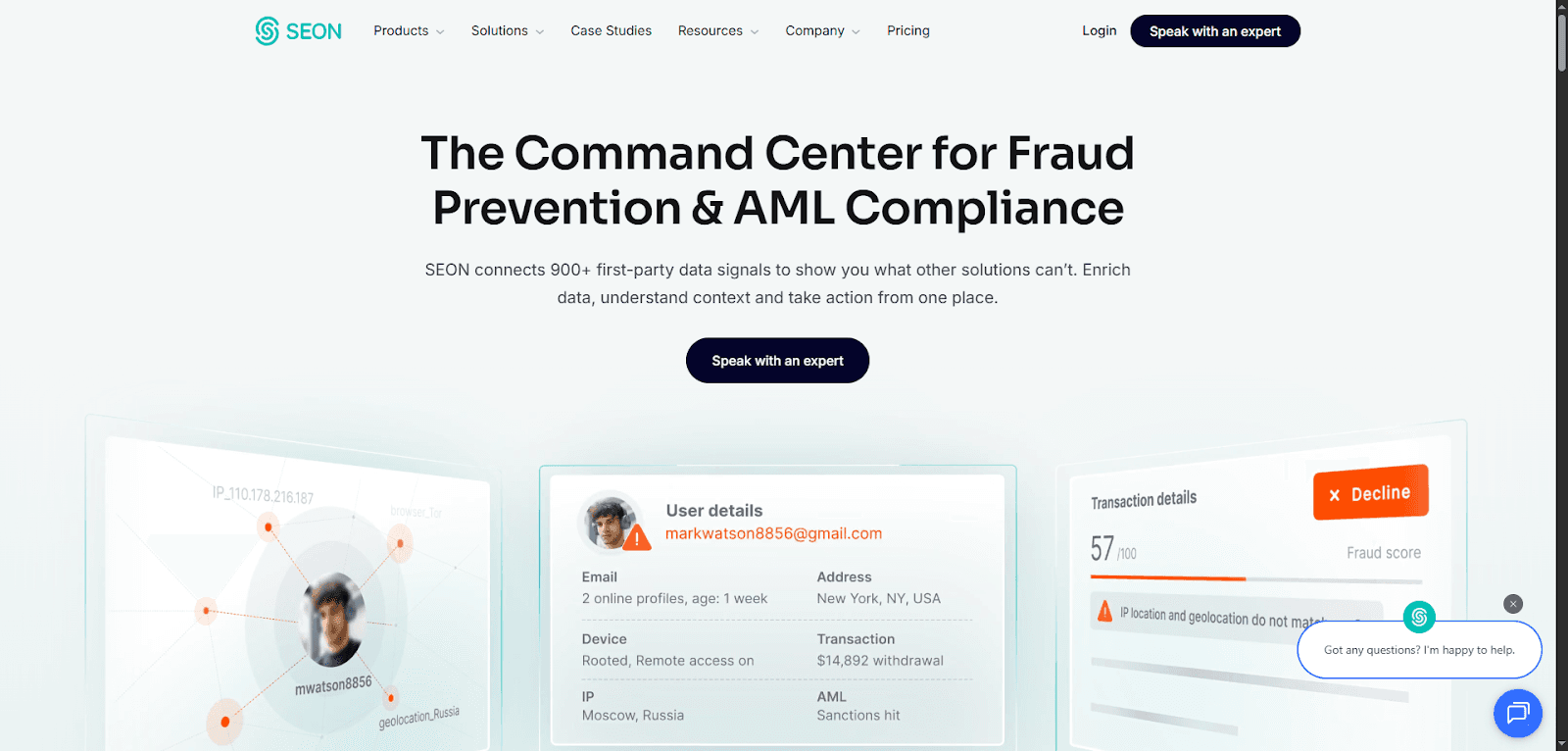
SEON is a powerful fraud prevention and AML platform that helps you onboard customers safely without slowing growth. It pulls in 900+ real-time data signals to verify identities, spot suspicious behavior, and stop fraud before it happens.
You’ll catch bad actors early, reduce chargebacks, and protect your business from synthetic IDs, account takeovers, and bonus abuse.
It helps you:
Screen users during onboarding and login
Monitor transactions and flag risky activity
Automate fraud checks and decisions
SEON is fast to implement (often in days) and gives you flexible rules, risk scores, and AI insights so you can fine-tune your strategy.
As you grow, you can scale across markets and use cases with a single platform. If you want strong protection without adding friction for real customers, SEON is a smart, modern choice.
Embedded insurance enablement tools
These platforms let you plug insurance into apps, marketplaces, or partner journeys. You can launch new channels fast without heavy builds.
They rely on API distribution in insurance and often use workflow automation distribution of insurance to keep everything seamless behind the scenes while reaching customers where they already are.
Cover Genius
The website: covergenius.com
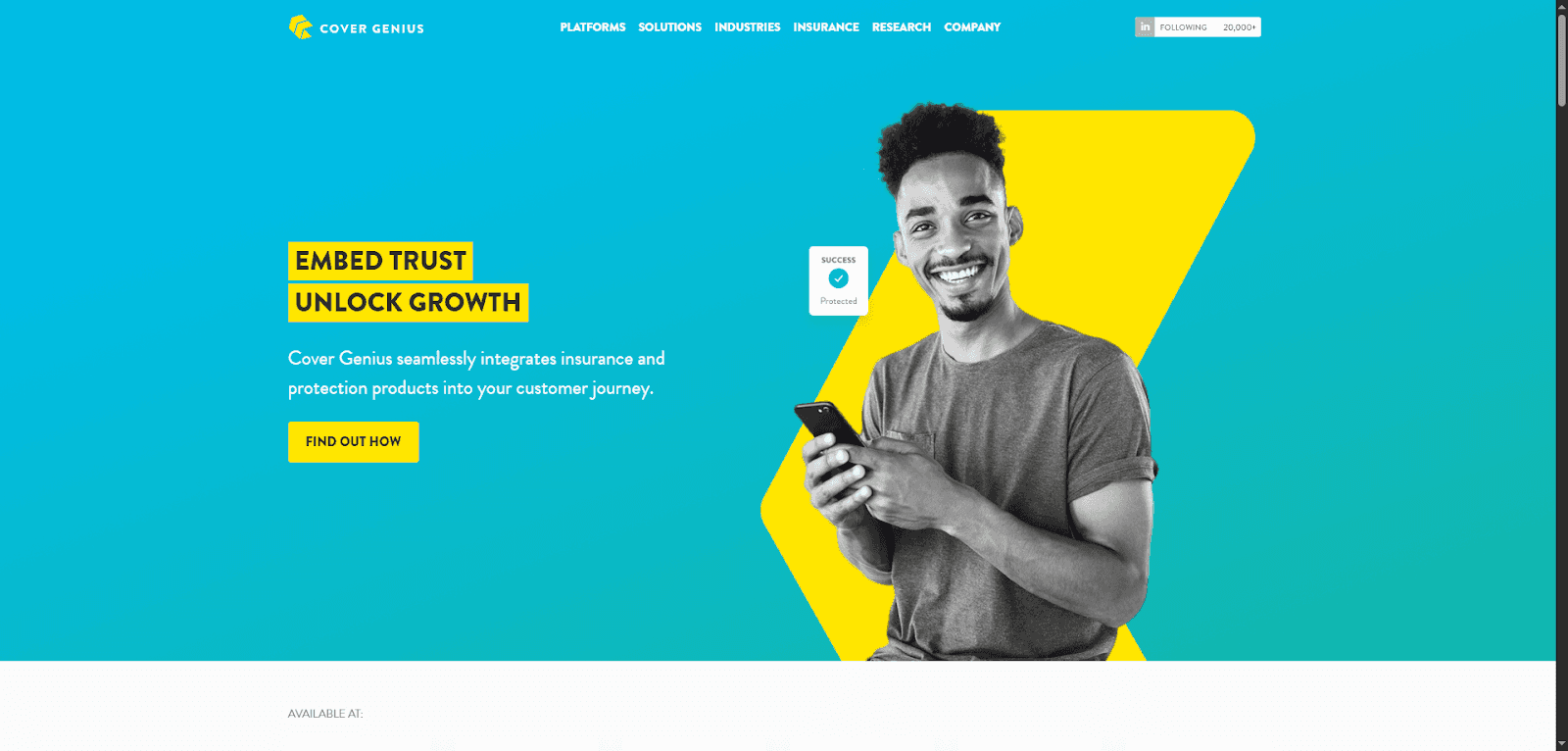
Cover Genius is an embedded insurance platform that lets you offer protection products directly inside your customer journey. Instead of sending customers to third parties, you can add tailored coverage at checkout, signup, or any key touchpoint.
That means more trust, higher conversions, and a better experience.
Here’s what you can do:
Integrate insurance quickly through a single API
Offer personalized policies across industries and countries
Bundle coverage to boost sales without adding friction
Cover Genius supports 60+ countries and 40+ languages, so you can scale globally with local compliance built in. It’s designed to fit e-commerce, travel, mobility, fintech, ticketing, and more.
If you want to unlock new revenue, increase loyalty, and give customers peace of mind right when they need it, embedded protection with Cover Genius makes it simple.
Qover
The website: qover.com
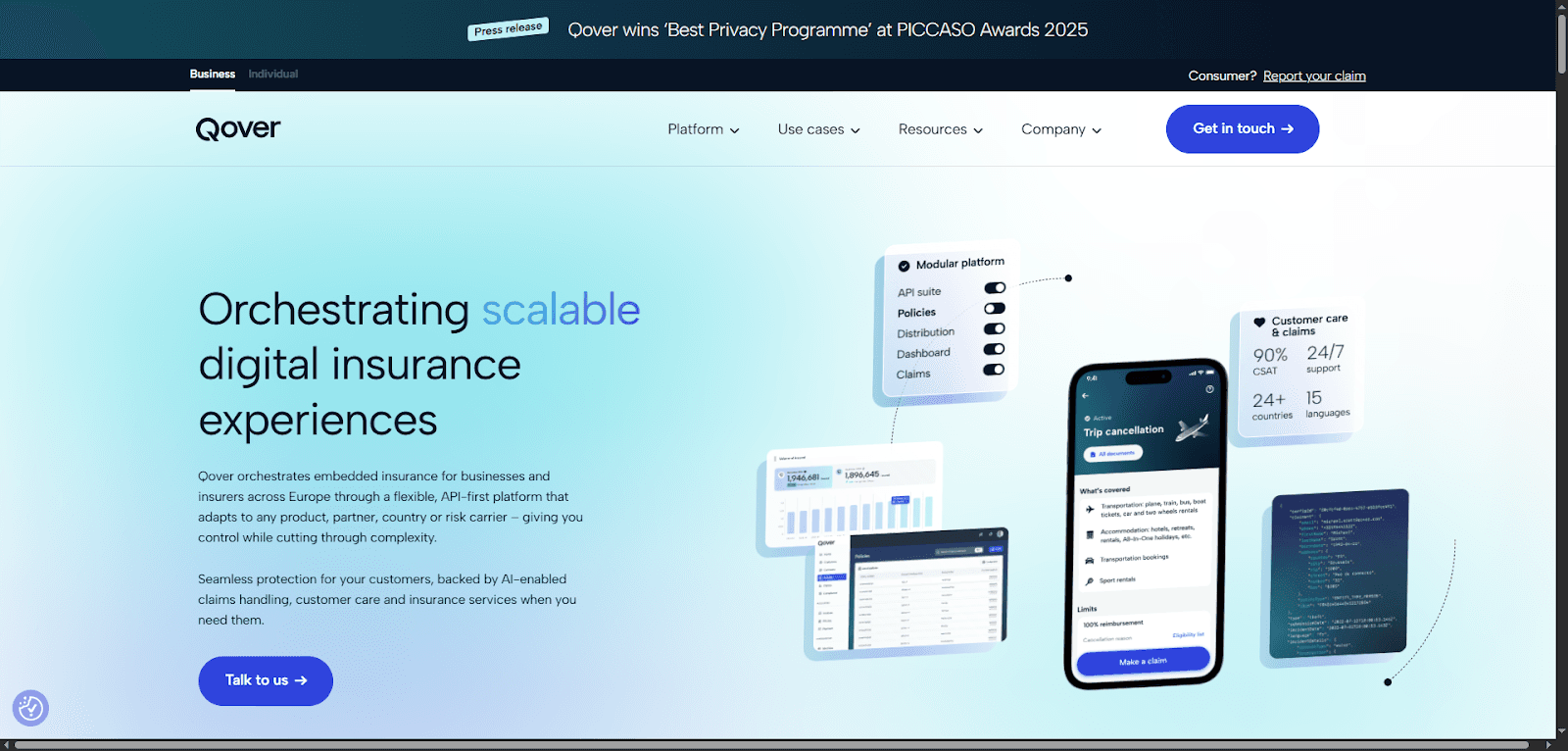
Qover helps you embed insurance directly into your customer experience without dealing with all the complexity yourself. Its API-first platform lets you launch, manage, and scale insurance programs across countries, products, and partners in just weeks.
You stay in control, while Qover handles the heavy lifting behind the scenes.
You can:
Configure any insurance product fast
Connect via APIs or white-label flows
Track performance through live dashboards
Qover also offers 24/7 multilingual customer care and AI-powered claims handling to speed up payouts and boost satisfaction. With coverage across 30+ countries, it’s built for brands that want seamless protection, higher loyalty, and smoother digital journeys.
If you’re looking to turn insurance into a frictionless, revenue-driving feature (not a headache!), Qover makes it simple, scalable, and user-friendly.
Tigerlab
The website: tigerlab.com
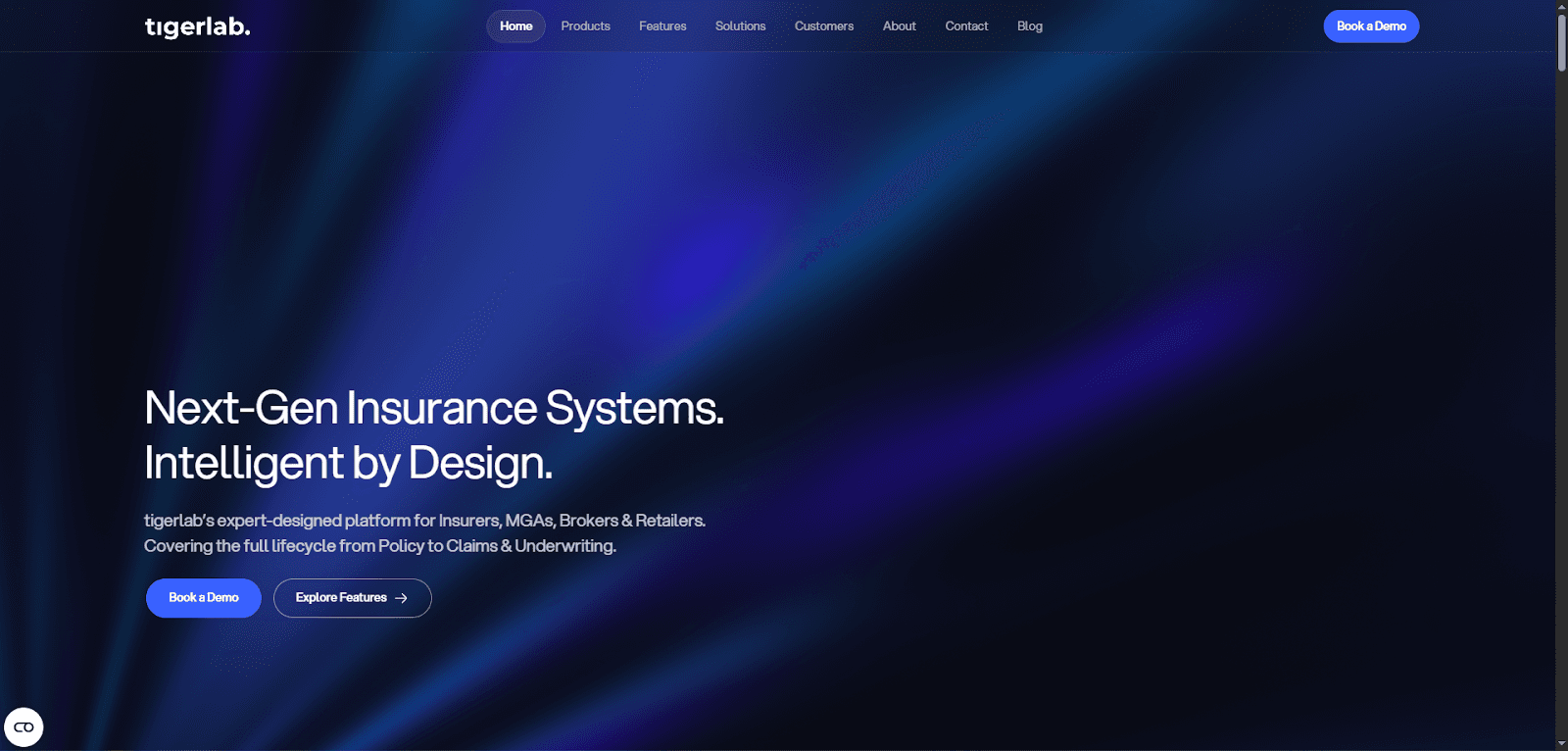
Tigerlab gives insurers, MGAs, brokers, and retailers a modern way to build and scale digital insurance.
It’s a modular, AI-driven platform that covers the full lifecycle (from underwriting and policy management to claims and embedded distribution), so you don’t need multiple systems or manual processes.
You can:
Launch and manage products faster
Automate workflows to cut costs and errors
Enable embedded insurance through APIs and white-label tools
Tigerlab’s AI speeds up claims, scores risk, and delivers instant quotes, helping teams work smarter and respond in minutes instead of days. Brokers also get tools for quoting, tracking, and commissions in one place.
With enterprise-grade security and flexible deployment, you can grow confidently. If you want faster operations and seamless embedded offerings, Tigerlab makes insurance simpler, smarter, and scalable.
Bsurance
The website: bsurance.com
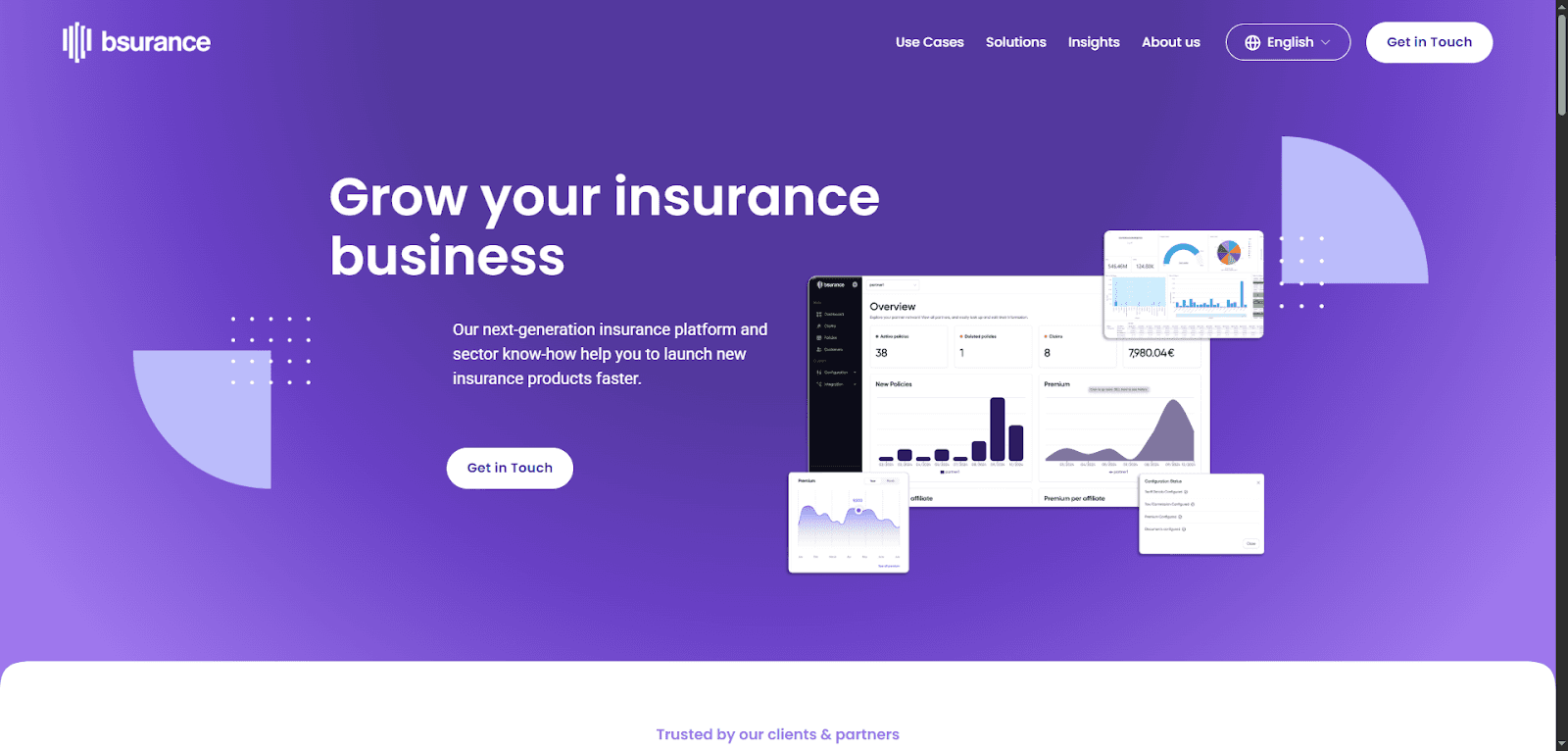
Bsurance helps you launch embedded insurance products fast, without heavy tech work or long development cycles. It’s built for insurers, banks, MGAs, and retail channels that want to grow revenue by offering protection right at the point of sale.
You can use Bsurance to:
Create and launch digital insurance products in days
Embed coverage directly into apps, websites, or checkout flows
Test, adapt, and scale new offerings quickly
Because it’s a no-code platform, you don’t need big IT resources. Bsurance also supports you with expert services, so you’re not building alone. They help prototype, launch, and manage your insurance programs.
If you want to boost customer engagement, open new sales channels, and modernize distribution, Bsurance gives you a simple, fast path to embedded insurance.
Sales enablement and automation platforms
Sales tools help teams prioritize leads, automate outreach, and stay consistent. They provide scripts, content, and reminders that keep deals moving.
You’ll close faster and waste less time. When paired with insurance distribution software, they give reps the structure and automation needed to scale without adding extra workload.
Strada
Strada is a phone- and chat-based AI platform built specifically for insurance distribution. Instead of relying on human agents to handle every call or follow-up task, Strada automates conversations, captures information, and triggers workflows instantly.
That means more quotes, faster service, and less busywork for your team.
At its core, Strada helps carriers, MGAs, and brokers scale revenue-driving conversations, without adding headcount. You’re not replacing people.

You’re giving them time back.
What Strada actually does
Strada’s AI agents handle live phone calls, chat, and SMS. They sound natural, understand insurance terminology, and can complete real tasks, not just answer questions.
Here’s what they can take off your plate:
Quote intake → collect details and free producers to close deals faster.
FNOL → capture claims 24/7 and push data into systems.
Policy servicing → handle routine updates and requests instantly.
Renewals → run outbound campaigns, answer renewal questions, and boost retention.
Instead of missed calls and voicemail, every contact becomes action.
Why Strada stands out
Strada isn’t a generic chatbot. It’s purpose-built for insurance outcomes.
You get:
Insurance-trained AI that understands coverage, renewals, COIs, and claims.
High availability = customers get help 24/7 with zero hold time.
Accuracy and consistency through testing tools that reduce E&O risk.
Scalability so you can handle thousands of conversations instantly.
It’s designed to feel like a knowledgeable team member, not a script.
Smooth transition here: and the best part? You don’t need engineers to run it.
Real productivity gains
Strada doesn’t stop at conversations. It automates what happens after the call. With Strada Workflows, outcomes trigger actions immediately.
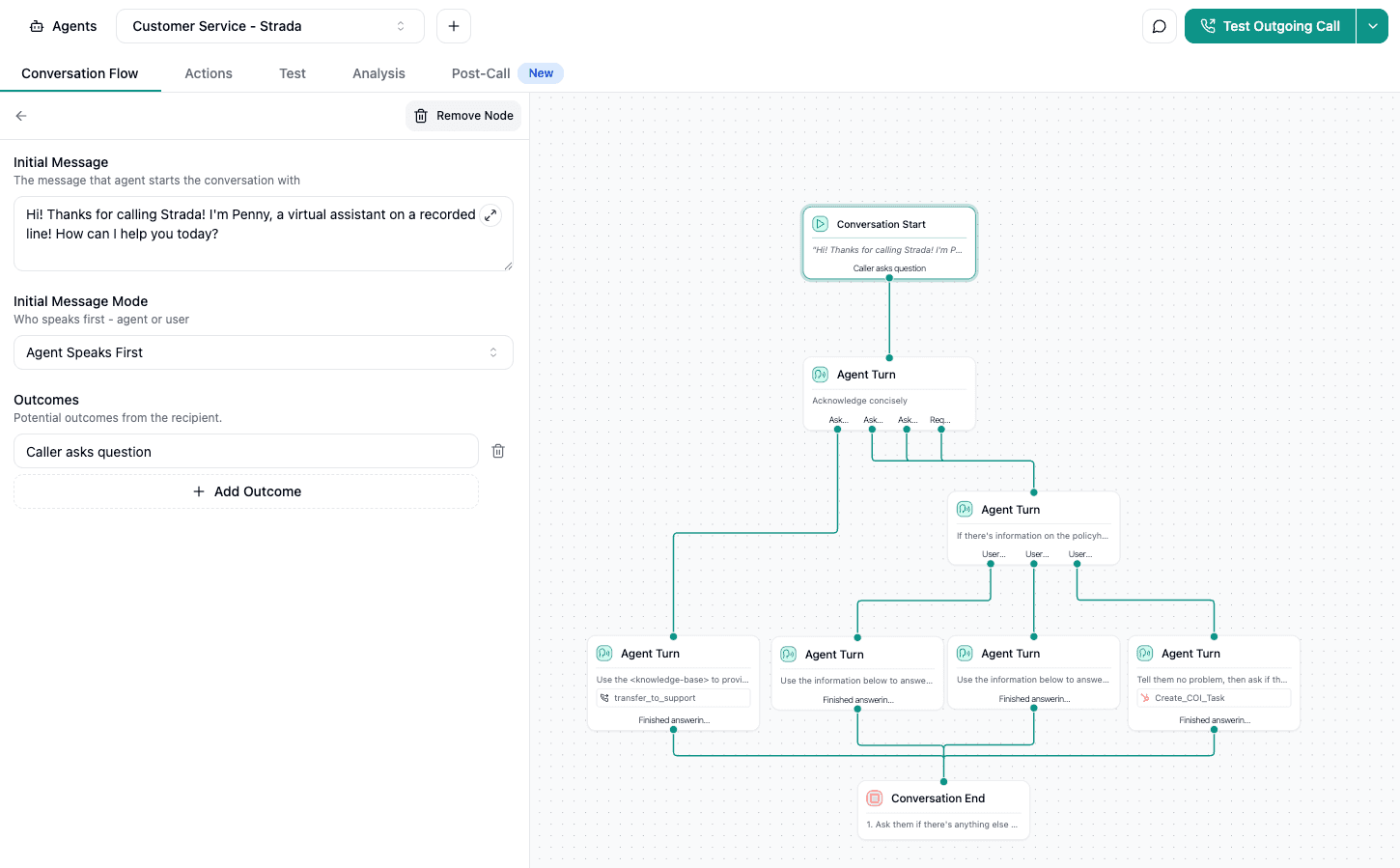
Think of it this way:
A hot lead? It updates the CRM and schedules follow-up.
A cancellation risk? It alerts retention instantly.
A COI request? It validates the policy and sends the certificate.
A claim reported? It creates the file and assigns an adjuster.
No manual notes. No missed tasks. No loose ends.
That’s how teams handle more business without burning out.
Where it fits in your tech stack
Strada integrates with CRMs, AMS platforms, policy systems, helpdesks, and custom APIs. Your data stays isolated and secure, backed by SOC 2 Type 2 controls and strict privacy policies.
You can:
Push call data into your systems.
Trigger post-call workflows.
Transfer conversations to humans with full context.
Turn your knowledge base into instant answers.
Smooth handoffs mean customers never repeat themselves.
If your distribution strategy depends on calls, service, and renewals, Strada gives you leverage. You’ll reduce costs, increase connection rates, and deliver faster experiences. Your team focuses on closing and advising, while Strada handles the repetitive work.
It’s a practical way to scale without adding staff.
And that’s the real win.
Seismic
The website: seismic.com
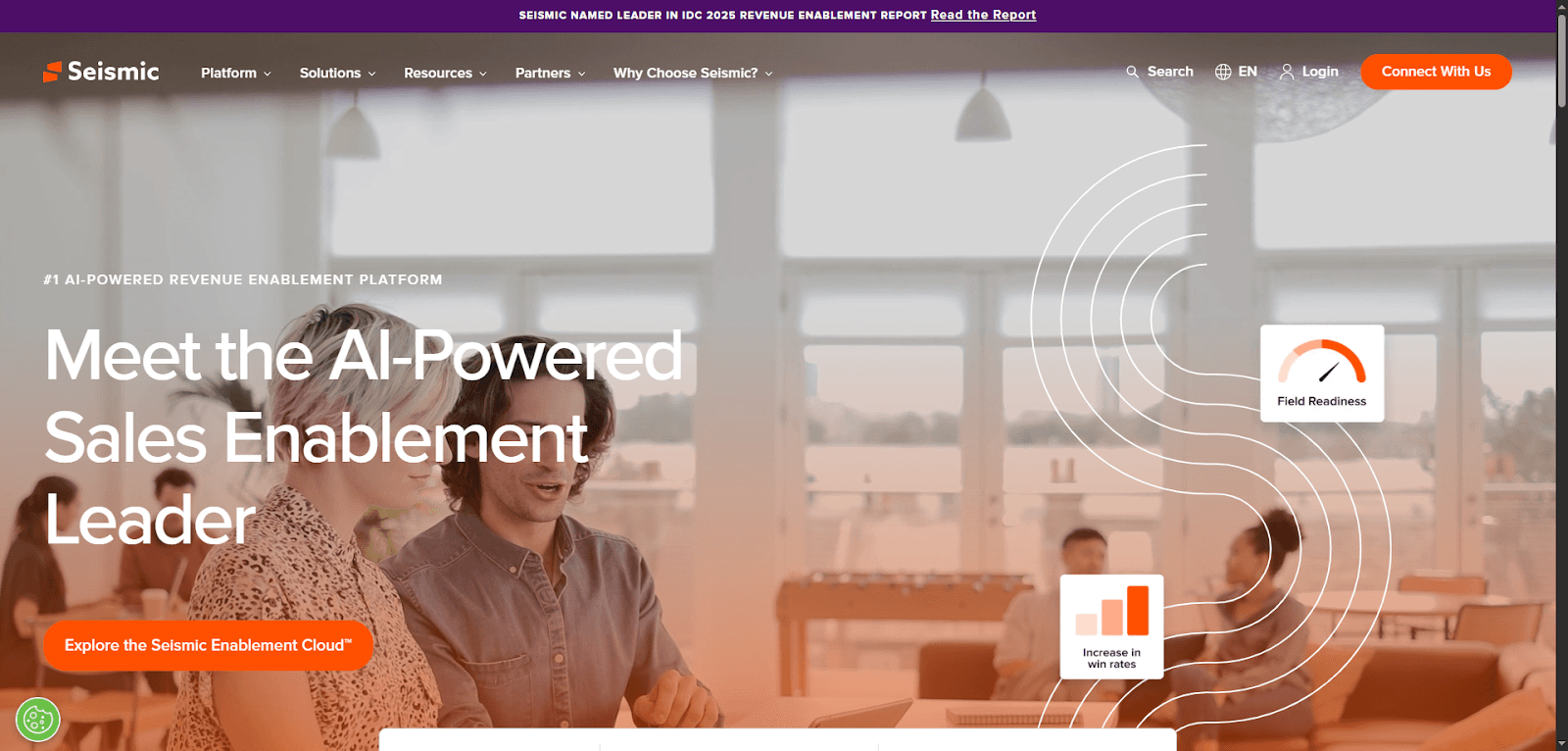
Seismic is a powerful sales enablement platform that helps teams sell smarter, faster, and with more confidence. It brings content, training, and insights into one place, so reps always know what to say, share, and do next.
You’ll benefit from three big strengths.
First, Seismic boosts productivity by giving sellers quick access to the right materials and AI-driven guidance.
Second, it improves customer conversations with personalized content that’s easy to deliver.
Third, it helps leaders track what’s working so they can adjust fast.
In practical terms, you can:
Shorten sales cycles
Reduce admin work
Increase deal sizes
Scale best practices across teams
If you’re looking to drive revenue while cutting busywork, Seismic makes sales enablement simple, repeatable, and highly effective.
Showpad
The website: showpad.com
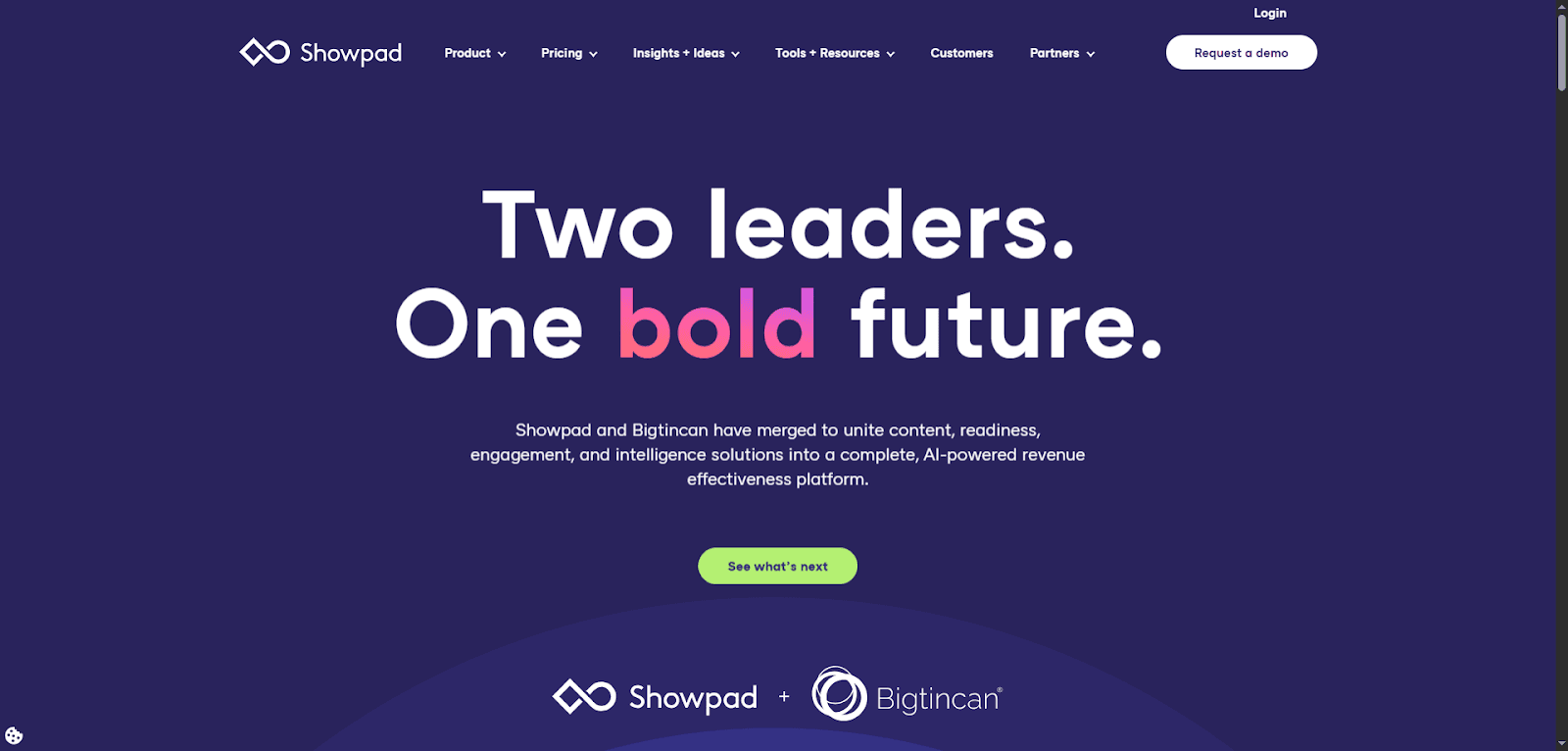
Showpad (now merged with Bigtincan) is a sales enablement platform designed to help teams sell with more confidence and consistency. It brings content, training, and buyer engagement into one place, so reps always stay prepared and on-message.
You get a few big advantages, like your content is centralized and personalized, making it easy for sellers to share the right materials at the right time. Plus, sales readiness tools, like microlearning and AI coaching, help every rep level up faster.
And, of course, shared workspaces simplify complex deals by keeping sellers, partners, and customers aligned.
In simple terms, Showpad helps you:
Speed up onboarding
Improve customer conversations
Boost rep productivity
Drive more consistent results
If you want a smarter, more unified way to enable your sales team, Showpad makes it easier to perform and win.
Highspot
The website: highspot.com
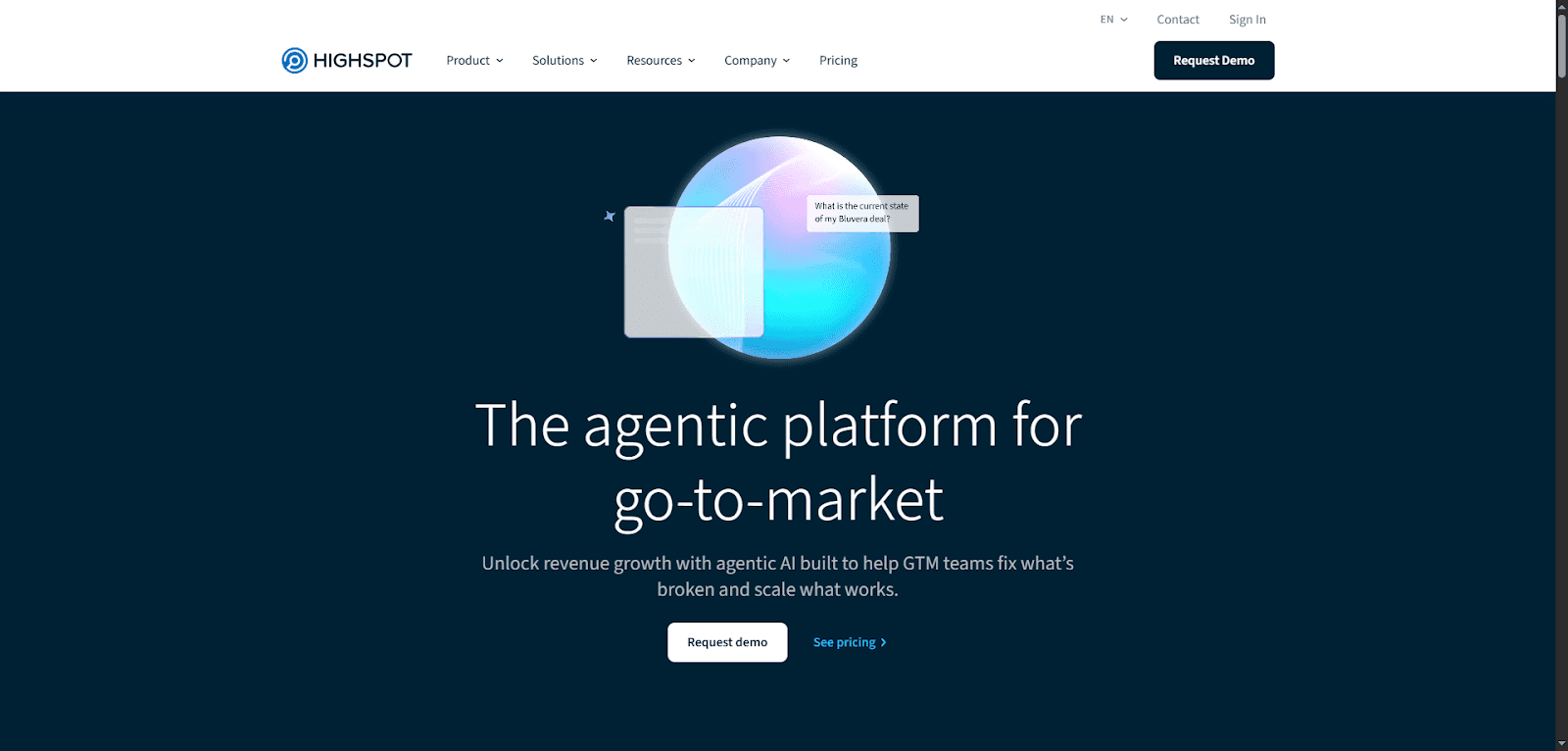
Highspot is a sales enablement platform that helps go-to-market teams sell smarter and drive predictable growth. Its big advantage is AI. Highspot uses real-time signals to guide reps on what to do next: what content to share, how to handle deals, and which skills to improve.
You get everything in one place: content management, training, coaching, and buyer engagement. That means less app-switching and more time selling.
In practical terms, Highspot helps you:
Boost rep confidence with AI role-play and coaching
Deliver the right content at the right moment
Move deals forward with deal-specific guidance
Spot skill gaps and personalize training
If you want a platform that fixes what’s not working and scales what is, Highspot gives your team clear direction, faster execution, and better results.
Training and performance tracking tools
These platforms support faster onboarding, skill development, and real-time coaching. You can monitor progress, spot gaps, and reward top performers.
Agents and partners learn quicker and stay motivated. A strong training stack becomes a practical extension of your insurance distribution system by turning knowledge into better results in the field.
LearnUpon
The website: learnupon.com
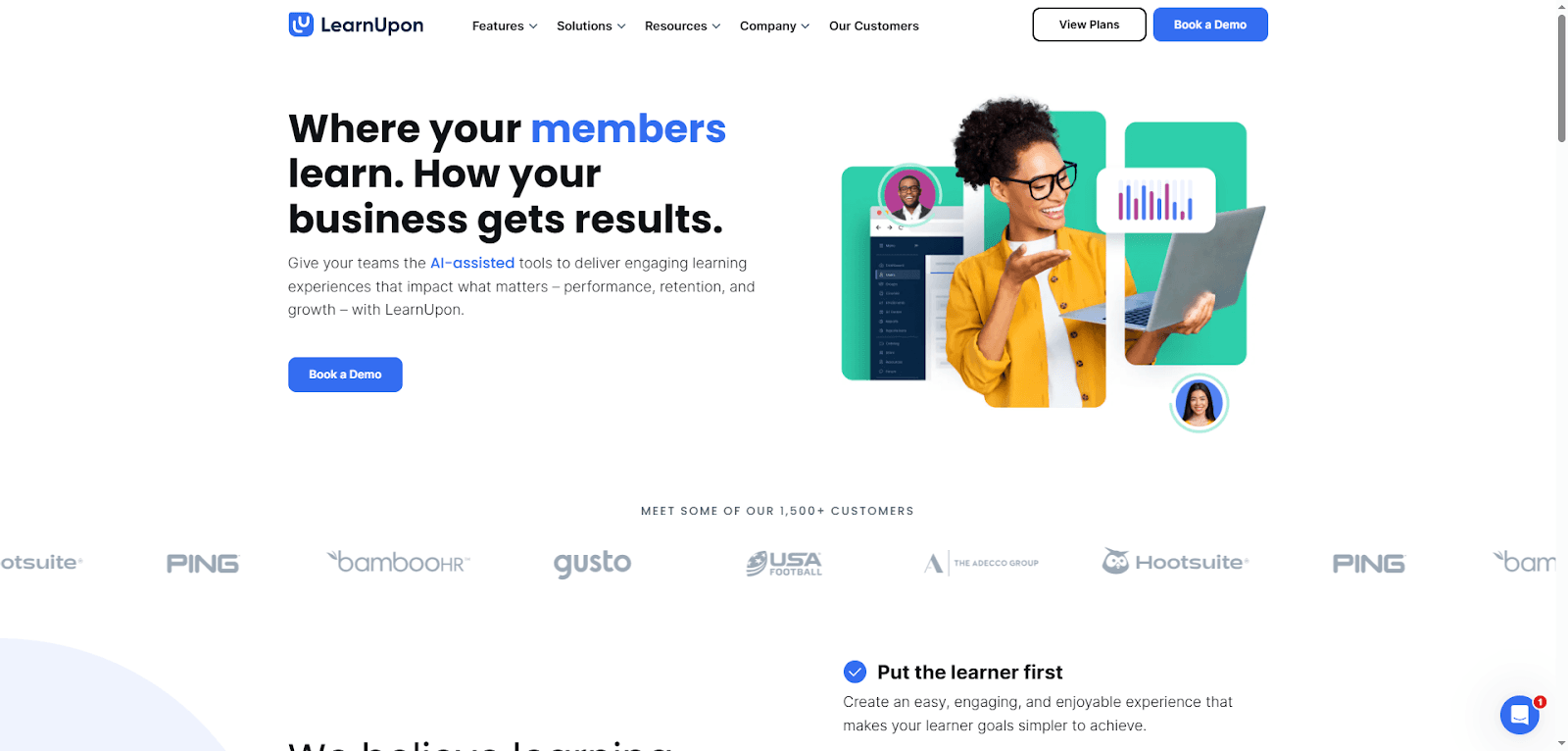
LearnUpon is a training platform designed to help organizations boost performance, retention, and growth. It keeps learning simple and engaging, so your teams actually use it, and see results. You manage everything in one place, which saves time and removes chaos.
It works for every audience, including:
Employees
Customers
Partners
You can onboard faster, build skills, and keep everyone aligned. Plus, AI tools help you create and deliver training more efficiently, so you don’t have to start from scratch.
You’ll also track progress with clear reporting, making it easy to spot what’s working and where people need support. And if you want guidance, LearnUpon offers expert help to shape your strategy.
If you want training that drives real business impact (not just coursework), LearnUpon makes it achievable and scalable.
TalentLMS
The website: talentlms.com
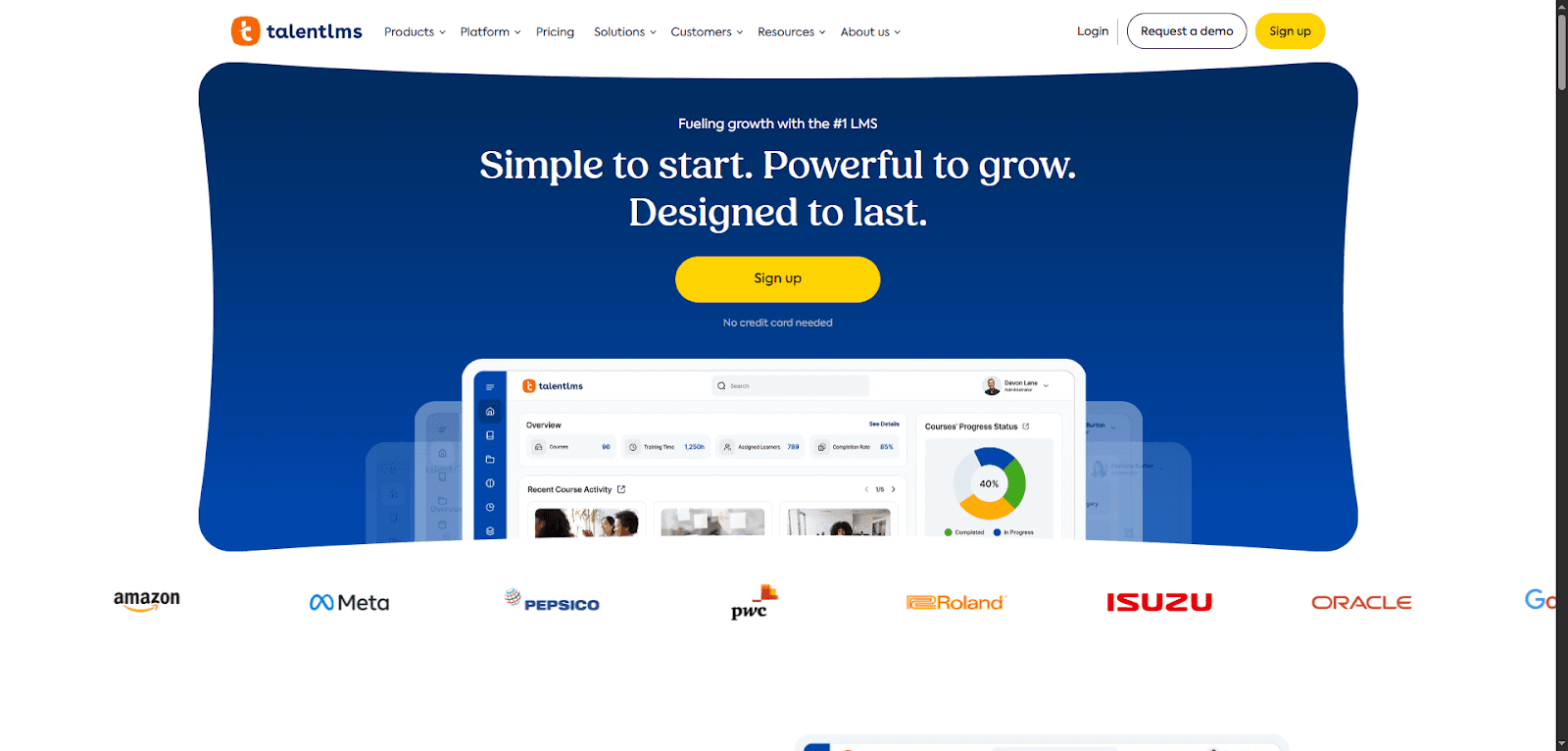
TalentLMS is a simple, scalable training platform that helps you upskill teams without complexity. You can sign up in seconds, build courses quickly, and launch training faster with AI-assisted creation.
No IT headaches. No long setup.
And you keep everything organized with separate portals while managing it all from one place. You’ll track real progress, measure impact, and prove ROI with data that’s easy to understand.
TalentLMS also offers ready-made courses through TalentLibrary™, so you don’t start from scratch. Plus, support is hands-on, so you’re never left guessing.
If you want training that’s easy to deliver, improves performance, and scales smoothly, TalentLMS makes it doable, even if you’re short on time or resources.
Seeing the options is exciting, but buying tools isn’t the finish line. The real win comes from getting them live fast, so let’s talk about how to roll them out without slowing down.
How do you implement distribution tools quickly?
Implementing distribution tools quickly isn’t about rushing. It’s about focusing on what moves the needle first, keeping things simple, and avoiding big-bang projects that drag on for months. You’ll move faster when you start with clear priorities.
Begin by identifying your highest-impact channels.
Ask yourself:
Where are you already seeing momentum?
Which channels have the biggest revenue potential?
Which ones are easiest to activate?
Maybe it’s brokers, embedded partners, or direct online sales. Pick one or two to start. This keeps your rollout focused and gives you quick wins you can build on. It also helps you prove value early, which boosts buy-in across the team.
Once you know where to start, use a phased rollout strategy. Don’t launch everything at once. Instead:
Phase 1 → launch a core workflow with a small group.
Phase 2 → expand features and add more users.
Phase 3 → roll out to additional channels.
This approach reduces risk, uncovers issues early, and speeds adoption. Every phase should include clear milestones, short feedback loops, and adjustments based on real use, not assumptions.
Next, plan your integrations. The goal is to connect new tools to what you already rely on, like your CRM, policy platform, and quoting tools. Start with the basics:
Integration priority | What it means | Why it helps |
Clean data | Remove duplicates and fix missing info | Prevents errors and speeds up quoting |
Defined workflows | Map who does what and when | Keeps handoffs smooth and avoids bottlenecks |
Clear ownership | Assign a single owner per step or system | Eliminates confusion and speeds decisions |
Essential connections | Integrate only your core systems first | Gets you live faster without IT overload |
Use APIs or prebuilt connectors whenever possible. Keep integration light at first: sync the essentials, automate the repetitive tasks, and then expand. This avoids long IT bottlenecks and keeps momentum high. You want your new insurance distribution system to fit smoothly into daily operations, not feel like a separate universe.
Training is where speed really becomes scale. You can have the best tools in the world, but if users don’t know how to take advantage of them, nothing changes. Focus on hands-on, short training sessions instead of long manuals. To keep adoption high, try these simple steps:
Show, don’t tell → walk through real tasks live instead of explaining features.
Start small → teach only the core workflows users need on day one.
Repeat quickly → offer short refreshers a few days later to lock in learning.
Make help easy → give users a single place to ask questions or get support.
These small habits create confidence fast—and confident users actually use the tool.
Create simple playbooks, quick video demos, and real-life examples. Celebrate early wins. Encourage peer sharing. And make sure support is easy to access: chat, help desk, or a dedicated contact. When agents and partners feel confident, adoption skyrockets.
As you expand, track what’s working. Measure:
KPI | What it measures | Practical benchmark |
User adoption | % of active agents/partners using the tool weekly | 70%+ within 60 days |
Onboarding time | How long it takes a new user to get live | Under 1 week |
Quoting speed | Time from request to quote delivered | Under 5 minutes for standard products |
Conversion rate | % of quotes that turn into bound policies | 20–30% depending on line |
Drop-off rate | % of prospects who abandon mid-process | Under 10% |
Support tickets | Volume of tool-related issues | Declining month over month |
Use those insights to refine processes and decide which channel to tackle next.
If you’re layering in new capabilities like automation or analytics (thought automated insurance distribution platforms, for instance), treat them as add-ons to a proven foundation, not a starting point.
The faster you can roll out, the faster you learn, improve, and scale. With focus, phased progress, smart integrations, and strong training, you’ll turn new tools into real growth, not just another project on the list.
After you’ve learned how to move from strategy to action, it’s time to zoom out. Let’s wrap up with the big takeaway and what smart teams should do next.
What’s the bottom line?
The bottom line is simple: digital distribution isn’t a “nice to have” anymore. It’s essential if you want to compete, move faster, and meet customers where they are. Buyers expect quick quotes, easy onboarding, and flexible channels.
Manual processes just can’t keep up.
The right tools change that. They boost speed by cutting steps and automating tasks. They help you scale by supporting more channels and partners without adding complexity. And they drive revenue by improving conversion, follow-up, and visibility across the pipeline.
That’s the real power behind modern insurance distribution software.
So what should teams do next?
Pick one priority channel to improve.
Map the biggest bottlenecks.
Choose tools that integrate easily and are simple to adopt.
Track quick wins and build from there.
If you want to see what digital tools for hybrid insurance distribution look like in action, book a short demo with Strada and explore what’s possible. No pressure, just a chance to learn.
Frequently Asked Questions
What tools should I prioritize first if my distribution process still relies on spreadsheets?
Start with a CRM and an AMS. These give you visibility, reduce double entry, centralize communication, and create the foundation for adding automation and quoting tools later.
How do I know if my agency is ready for automation tools?
Framer is a design tool that allows you to design websites on a freeform canvas, and then publish them as websites with a single click.
How do I choose between an AMS and a CRM for my team?
Framer is a design tool that allows you to design websites on a freeform canvas, and then publish them as websites with a single click.
How can embedded insurance tools help my distribution strategy?
Framer is a design tool that allows you to design websites on a freeform canvas, and then publish them as websites with a single click.
What KPIs should I track after implementing new distribution tools?
Framer is a design tool that allows you to design websites on a freeform canvas, and then publish them as websites with a single click.
Table of Contents
Carriers, MGAs, and brokers scale revenue-driving phone calls with Strada's conversational AI platform.
Start scaling with voice AI agents today
Join innovative carriers and MGAs transforming their calls with Strada.
25 Best Tools for Insurance Distribution: Top 8 Categories
Amir Prodensky
CEO
22 min read
Tools that help agencies work faster, sell more, and reduce chaos.
Insurance distribution is getting more competitive, more digital, and a lot faster. Customers expect quick quotes, simple onboarding, and flexible ways to buy. Agents and partners want tools that help them sell, not slow them down.
That’s why the right tech stack matters.
In this guide/listicle, you’ll explore 25 of the best tools across eight key categories, learn how they support growth, and see how teams use them to scale without adding extra chaos.
From CRM platforms to automation and embedded partnerships, you’ll get a clear roadmap of what works today. It’s your practical starting point for choosing smarter insurance distribution software.
But, before we dive into specific tools, it helps to understand why technology is changing distribution in the first place.
Why do digital tools matter for distribution?
Digital tools matter because insurance distribution is changing fast. You’re no longer competing only on products. You’re competing on speed, ease, and experience. Customers expect instant answers and personalized service. If you can’t deliver, they’ll move on.
Technology helps you respond quickly. It streamlines quoting and onboarding, so prospects don’t wait days for decisions. Faster processes mean fewer drop-offs and more conversions.
It also unlocks smarter selling. With real-time data, you see who’s most likely to buy, what they need, and when to follow up. That makes every interaction more relevant and more valuable.
Here’s where digital tools really shine:
They support new channels like embedded insurance, online marketplaces, affinity groups, and partnerships.
They make it easier to scale across multiple distributors without losing control or consistency.
In short, tools like insurance distribution software give you the edge to grow, adapt, and deliver a better customer journey in a competitive market.
Still, knowing digital tools are essential is one thing – choosing the right ones is another. So let’s shift from “why it matters” to “how to judge what’s worth your time.”
How should you evaluate distribution tools?
Evaluating distribution tools can feel overwhelming, but a simple framework makes it easier.
Start by looking at how well the platform can grow with you. Scalability matters because you don’t want to switch systems every time your team, product line, or channel expands. Speed to deploy matters too: long implementations slow momentum and delay revenue.
Next, think about daily users. If agents, brokers, and partners can’t figure it out quickly, they won’t use it. Look for clean interfaces, clear workflows, and minimal training. A tool should make work faster, not add friction.
Integration is another big test. Your distribution platform should connect smoothly with your CRM, policy admin system, and quoting engines. When systems talk to each other, you reduce double entry, avoid errors, and get a full picture of each customer. That leads to better follow-ups and stronger conversions.
Customization is also key. Many teams want white-label options to match their brand and tailor experiences for different channels. Being able to adjust forms, workflows, and portals without heavy coding gives you flexibility and control.
Finally, look beyond the software itself. Compare pricing models, support availability, and the vendor’s track record. Ask about onboarding help, response times, and product roadmap. A reliable partner gives you confidence as you scale.
Here’s a quick checklist to guide decisions:
Can it grow with new products and channels?
Will users adopt it easily?
Does it integrate with what you already use?
Can you brand and tailor it?
Is the vendor stable and supportive?
Choosing the right tool (no matter if it’s automation, portals, or even mga insurance distribution software) should help you sell more, move faster, and deliver a better experience across every relationship.
Once you know what to look for, it’s easier to explore the categories that actually move results. Now we can break down the tools that play a real role in distribution success.
What types of tools power insurance distribution?
Insurance distribution runs on more than effort. It runs on the right tools. To sell faster, support partners, and scale new channels, you need systems that remove friction and automate work.
This is where insurance distribution software and other key platforms step in to power growth end-to-end.
Agency management systems (AMS)
AMS tools help you organize policies, tasks, and client data in one place. They cut manual work, speed up renewals, and make communication smoother. You get clearer visibility and cleaner workflows.
That’s why they’re a core part of digital tools for hybrid insurance distribution and a smart first step toward scaling.
Applied Epic
The website: appliedsystems.com
Applied Epic is one of the most widely used agency management systems, and it’s built to simplify how you run your insurance business. It gives you a single place to manage policies, clients, sales, service, and financials, so you don’t waste time jumping between tools.
You’ll work faster, stay organized, and keep every team member on the same page.
It helps you:
Automate daily tasks
Track renewals and opportunities
Improve communication with clients and carriers
Reduce manual data entry
You also get mobile access, customer self-service options, and built-in analytics to spot growth opportunities. Plus, its strong integrations and digital workflows make scaling easier as your agency grows.
If you want a modern, efficient way to run your agency, Applied Epic delivers a proven, industry-trusted platform.
AMS360 (Vertafore)
The website: vertafore.com
AMS360 (Vertafore) is a solid choice if you want an AMS that helps you work smarter, not harder. It keeps your entire agency in one system, so you don’t waste time on duplicate entry or hunting for information.
You’ll manage policies from bind to renewal, track activities, and respond to clients faster.
Here’s where it really helps:
Automates billing, invoicing, and commission tracking
Downloads policies, claims, and renewals directly from carriers
Gives quick search and reporting to spot trends and priorities
It also supports renewals, proposals, and certificate delivery, which saves hours during busy seasons.
Plus, built-in communication tools let you send the right messages at the right time. If you want efficiency, clear visibility, and a system that scales with growth, AMS360 delivers.
EZLynx Agency Management
The website: ezlynx.com
EZLynx Agency Management is built for agencies that want to work faster, stay organized, and grow without juggling multiple systems. It puts quoting, policy management, documents, service requests, and client communication in one place, so you don’t waste time switching tools.
You’ll handle the full policy lifecycle digitally and cut out paper-heavy processes.
It helps you:
Automate routine tasks and reminders
Manage renewals and service requests quickly
Quote multiple carriers with one entry
You also get built-in AI and automation to boost productivity without adding staff. Plus, tools like client portals, accounting, reporting, and website options support growth at every stage.
No matter if you’re a new agency or expanding, EZLynx gives you an all-in-one system that keeps your team efficient and your clients connected.
AgencyBloc
The website: agencybloc.com
AgencyBloc is designed for health and benefits agencies that want a single system to manage clients, policies, sales, and commissions. Instead of juggling spreadsheets and disconnected tools, you’ll run everything in one platform, so your team stays organized and focused.
It’s built to help you grow without adding chaos.
Here’s what it makes easier:
Track clients, policies, tasks, and communication
Automate workflows and reminders
Process commissions accurately and on time
You can also handle quoting and enrollment in the same system, which cuts manual work and speeds up sales. Plus, built-in marketing tools help you nurture leads and stay connected with clients.
If you want a clear, scalable way to run your agency and boost productivity, AgencyBloc gives you a streamlined, growth-ready AMS.
Broker management systems
These platforms give brokers a central hub to track deals, manage submissions, and handle carrier relationships. They reduce back-and-forth and help teams move faster. You’ll see fewer errors and better productivity.
Strong broker systems also act as practical insurance distribution management software that supports growth across multiple markets and partners.
NowCerts
The website: nowcerts.com
NowCerts is a broker management system built to help you run your agency efficiently without extra hassle. It’s intuitive, secure, and packed with features that cut manual work.
You’ll manage policies, clients, tasks, and documents in one place, so you don’t waste time bouncing between tools.
One big win is self-serve certificates. Clients can issue their own certificates, which saves you hours. You’ll also track commissions accurately and get real-time carrier downloads to keep policy info up to date.
Key benefits include:
50+ features and 40+ reports
Easy invoicing, tasks, and ACORD forms
Integrations with QuickBooks, Google Drive, Gmail, and more
Plus, it’s easy to learn, offers 24/7 support, and doesn’t lock you into contracts. If you want a smarter, simpler way to manage your agency, NowCerts delivers.
Jenesis Software
The website: jenesissoftware.com
Jenesis Software is a broker management system designed to help agencies work faster, stay organized, and deliver better service. It’s web-based, so you can access client and policy information anytime, without being tied to a single device.
You’ll manage personal and commercial lines in one simple system, which cuts busywork and keeps everything clear.
It makes your day easier by helping you:
Manage clients, policies, and tasks in one place
Improve customer service with a 24/7 client portal
Handle marketing and communication efficiently
You can also offer clients access to documents and certificates without extra phone calls or emails.
Plus, Jenesis provides training and ongoing support, so you’re never on your own. If you want a friendly, efficient system built by agents who understand your world, Jenesis is a strong fit.
CRM platforms tailored to insurance
A purpose-built CRM helps you track leads, automate follow-ups, and personalize outreach. It keeps every relationship organized and boosts conversion.
When tied to quoting or onboarding, it becomes a powerful engine for revenue. It’s where insurance distribution software meets the efficiency of automated insurance distribution platforms.
Zoho CRM
The website: zoho.com
Zoho CRM is a flexible, insurance-friendly CRM that helps you convert more leads, stay organized, and build stronger client relationships. It brings all your contacts, activities, and communication into one system, so you don’t lose time juggling spreadsheets or emails.
You’ll get a clear 360° view of every prospect and client, which makes follow-ups easier and more meaningful.
Here’s what you’ll gain:
Automated workflows and reminders
AI tools to spot opportunities and improve communication
Fast reporting and forecasting to track performance
You can also integrate Zoho with thousands of apps, so your quoting, marketing, and service tools stay connected. It’s easy to customize, affordable, and scales as you grow. If you want a CRM that helps you sell smarter and stay in control, Zoho CRM is a strong pick.
Salesforce Financial Services Cloud
The website: salesforce.com
Salesforce Financial Services Cloud gives insurance teams a powerful, client-focused CRM built to improve sales, service, and retention. It pulls all policy, account, and interaction data into one place, so you always know where a client stands and what they need next.
You’ll work smarter with AI that helps spot opportunities, streamline tasks, and guide personalized outreach.
Here’s what you can do:
Automate onboarding, service, and follow-ups
Get a 360° view of every client and policy
Track performance with clear dashboards and insights
It’s also flexible enough for agencies, brokerages, and carriers, making it easy to connect producers, account managers, and service teams. As you grow, you can integrate other tools and scale without changing systems.
If you want a modern CRM that drives productivity and stronger relationships, this platform delivers.
HubSpot CRM
The website: hubspot.com
HubSpot CRM is a great fit if you want a simple, insurance-friendly system to manage leads, clients, and communication in one place. It helps you stay organized, follow up on time, and never lose track of a prospect or policyholder.
You’ll save hours by cutting manual entry and automating routine tasks.
Here’s what you can do:
Capture and track leads from any channel
Assign and prioritize tasks automatically
View every interaction in one clean timeline
You also get email templates, marketing tools, and reporting to see what’s working and what’s not.
The best part? HubSpot starts free, so you can grow without a big upfront cost. As your agency scales, you can add advanced features when you’re ready. If you want a CRM that’s easy, efficient, and built for growth, HubSpot delivers.
Odoo CRM
The website: odoo.com
Odoo CRM is a flexible, customer-focused platform that helps insurance teams track leads, manage pipelines, and close deals faster. You’ll see every opportunity in a clean visual board, so you always know what stage it’s in and what revenue it could bring.
Moving deals forward is simple: just drag, drop, and keep going.
It makes your day easier by helping you:
Schedule follow-ups so nothing slips
Communicate in one place through email, SMS, chat, or calls
Send professional quotes in just a few clicks
You also get AI-powered lead scoring, real-time reporting, and dashboards to spot trends and prioritize the right prospects. Since Odoo integrates with other apps like marketing, subscriptions, and sales, you can expand as your agency grows.
If you want a simple, scalable CRM that keeps you focused on selling, Odoo delivers.
Quoting and rating engines
These tools speed up pricing by pulling data, applying rules, and generating rates instantly. They cut wait times and reduce manual review. Faster quotes mean happier prospects and more closed deals.
They also support compliance and consistency, which makes insurance distribution licensing software an important piece of a modern tech stack.
EZ-RATER
The website: ezlynx.com
EZ-RATER (EZLynx Rating Engine) is a fast, easy quoting tool for personal lines. It lets you enter customer details once and instantly compare real-time quotes from hundreds of carriers. That means you don’t waste time rekeying data or hopping between carrier portals. You’ll find the best option quickly and move to binding in minutes.
It helps you:
Boost speed with single-entry quoting
Reduce errors with pre-fill and accuracy checks
Stay productive with templates and saved info
You can also offer 24/7 website or text-based quoting to capture more leads without extra effort.
The clean comparison view makes it simple to explain options to customers. If you want to quote faster, win more business, and spend less time on manual work, EZ-RATER makes the process smooth and efficient.
Duck Creek Rating
The website: duckcreek.com
Duck Creek Rating is built for insurers that need to launch and update products fast. Instead of relying on heavy coding or long IT cycles, you can adjust rates, rules, and forms with simple, low-code tools.
That means you respond to market changes quickly and stay competitive. You’ll also speed up product development by reusing existing templates instead of starting from scratch.
It helps you:
Bring new products to market faster
Test “what-if” pricing changes before you go live
Manage the full product lifecycle in one system
You can support multiple lines of business and integrate with other systems, so your workflows stay connected.
As your portfolio grows, you just build on what you already have. If you want smarter pricing, faster launches, and more agility, Duck Creek Rating delivers a modern, scalable approach.
Digital onboarding and e-KYC systems
Onboarding tools make it easy to verify identities, collect documents, and approve applications without paperwork. They shorten the time from interest to activation. Agents and partners don’t get stuck in slow steps, and customers enjoy a smoother start.
It’s a simple way to remove friction and increase conversion at the front door.
iDenfy
The website: idenfy.com
iDenfy is a fast, automated digital onboarding and e-KYC platform that helps you verify customers securely while keeping costs low.
It combines AI and human review to confirm identities, catch fraud, and meet KYC, KYB, and AML requirements without slowing down your onboarding process. You’ll verify users in minutes, not days.
Here’s what you get:
Identity checks with biometric and document verification
Screening against sanctions, PEPs, and watchlists
Business verification for KYB compliance
It works in 200+ countries and supports thousands of document types, so scaling globally is simple. You only pay for successful verifications, which helps cut onboarding costs by up to 70%.
If you want to reduce fraud, stay compliant, and onboard customers smoothly, iDenfy delivers a reliable, plug-and-play solution.
Identomat
The website: identomat.com
Identomat is an all-in-one digital onboarding and e-KYC platform that helps you verify customers quickly, securely, and with less manual work.
It uses AI-powered face matching, document checks, and liveness detection to confirm identities and block fraud in real time. You’ll onboard users in seconds instead of hours, creating a smooth experience that reduces drop-offs.
It helps you:
Confirm identities with biometric and ID verification
Screen users for sanctions, PEPs, and AML risks
Run video KYC when extra oversight is needed
Identomat works across 165+ countries and supports thousands of document types, so scaling globally is simple. You can customize workflows without coding and deploy on web or mobile. If you want fast onboarding, strong compliance, and lower fraud risk, Identomat offers a flexible, cost-effective solution.
SEON
The website: seon.io
SEON is a powerful fraud prevention and AML platform that helps you onboard customers safely without slowing growth. It pulls in 900+ real-time data signals to verify identities, spot suspicious behavior, and stop fraud before it happens.
You’ll catch bad actors early, reduce chargebacks, and protect your business from synthetic IDs, account takeovers, and bonus abuse.
It helps you:
Screen users during onboarding and login
Monitor transactions and flag risky activity
Automate fraud checks and decisions
SEON is fast to implement (often in days) and gives you flexible rules, risk scores, and AI insights so you can fine-tune your strategy.
As you grow, you can scale across markets and use cases with a single platform. If you want strong protection without adding friction for real customers, SEON is a smart, modern choice.
Embedded insurance enablement tools
These platforms let you plug insurance into apps, marketplaces, or partner journeys. You can launch new channels fast without heavy builds.
They rely on API distribution in insurance and often use workflow automation distribution of insurance to keep everything seamless behind the scenes while reaching customers where they already are.
Cover Genius
The website: covergenius.com
Cover Genius is an embedded insurance platform that lets you offer protection products directly inside your customer journey. Instead of sending customers to third parties, you can add tailored coverage at checkout, signup, or any key touchpoint.
That means more trust, higher conversions, and a better experience.
Here’s what you can do:
Integrate insurance quickly through a single API
Offer personalized policies across industries and countries
Bundle coverage to boost sales without adding friction
Cover Genius supports 60+ countries and 40+ languages, so you can scale globally with local compliance built in. It’s designed to fit e-commerce, travel, mobility, fintech, ticketing, and more.
If you want to unlock new revenue, increase loyalty, and give customers peace of mind right when they need it, embedded protection with Cover Genius makes it simple.
Qover
The website: qover.com
Qover helps you embed insurance directly into your customer experience without dealing with all the complexity yourself. Its API-first platform lets you launch, manage, and scale insurance programs across countries, products, and partners in just weeks.
You stay in control, while Qover handles the heavy lifting behind the scenes.
You can:
Configure any insurance product fast
Connect via APIs or white-label flows
Track performance through live dashboards
Qover also offers 24/7 multilingual customer care and AI-powered claims handling to speed up payouts and boost satisfaction. With coverage across 30+ countries, it’s built for brands that want seamless protection, higher loyalty, and smoother digital journeys.
If you’re looking to turn insurance into a frictionless, revenue-driving feature (not a headache!), Qover makes it simple, scalable, and user-friendly.
Tigerlab
The website: tigerlab.com
Tigerlab gives insurers, MGAs, brokers, and retailers a modern way to build and scale digital insurance.
It’s a modular, AI-driven platform that covers the full lifecycle (from underwriting and policy management to claims and embedded distribution), so you don’t need multiple systems or manual processes.
You can:
Launch and manage products faster
Automate workflows to cut costs and errors
Enable embedded insurance through APIs and white-label tools
Tigerlab’s AI speeds up claims, scores risk, and delivers instant quotes, helping teams work smarter and respond in minutes instead of days. Brokers also get tools for quoting, tracking, and commissions in one place.
With enterprise-grade security and flexible deployment, you can grow confidently. If you want faster operations and seamless embedded offerings, Tigerlab makes insurance simpler, smarter, and scalable.
Bsurance
The website: bsurance.com
Bsurance helps you launch embedded insurance products fast, without heavy tech work or long development cycles. It’s built for insurers, banks, MGAs, and retail channels that want to grow revenue by offering protection right at the point of sale.
You can use Bsurance to:
Create and launch digital insurance products in days
Embed coverage directly into apps, websites, or checkout flows
Test, adapt, and scale new offerings quickly
Because it’s a no-code platform, you don’t need big IT resources. Bsurance also supports you with expert services, so you’re not building alone. They help prototype, launch, and manage your insurance programs.
If you want to boost customer engagement, open new sales channels, and modernize distribution, Bsurance gives you a simple, fast path to embedded insurance.
Sales enablement and automation platforms
Sales tools help teams prioritize leads, automate outreach, and stay consistent. They provide scripts, content, and reminders that keep deals moving.
You’ll close faster and waste less time. When paired with insurance distribution software, they give reps the structure and automation needed to scale without adding extra workload.
Strada
Strada is a phone- and chat-based AI platform built specifically for insurance distribution. Instead of relying on human agents to handle every call or follow-up task, Strada automates conversations, captures information, and triggers workflows instantly.
That means more quotes, faster service, and less busywork for your team.
At its core, Strada helps carriers, MGAs, and brokers scale revenue-driving conversations, without adding headcount. You’re not replacing people.
You’re giving them time back.
What Strada actually does
Strada’s AI agents handle live phone calls, chat, and SMS. They sound natural, understand insurance terminology, and can complete real tasks, not just answer questions.
Here’s what they can take off your plate:
Quote intake → collect details and free producers to close deals faster.
FNOL → capture claims 24/7 and push data into systems.
Policy servicing → handle routine updates and requests instantly.
Renewals → run outbound campaigns, answer renewal questions, and boost retention.
Instead of missed calls and voicemail, every contact becomes action.
Why Strada stands out
Strada isn’t a generic chatbot. It’s purpose-built for insurance outcomes.
You get:
Insurance-trained AI that understands coverage, renewals, COIs, and claims.
High availability = customers get help 24/7 with zero hold time.
Accuracy and consistency through testing tools that reduce E&O risk.
Scalability so you can handle thousands of conversations instantly.
It’s designed to feel like a knowledgeable team member, not a script.
Smooth transition here: and the best part? You don’t need engineers to run it.
Real productivity gains
Strada doesn’t stop at conversations. It automates what happens after the call. With Strada Workflows, outcomes trigger actions immediately.
Think of it this way:
A hot lead? It updates the CRM and schedules follow-up.
A cancellation risk? It alerts retention instantly.
A COI request? It validates the policy and sends the certificate.
A claim reported? It creates the file and assigns an adjuster.
No manual notes. No missed tasks. No loose ends.
That’s how teams handle more business without burning out.
Where it fits in your tech stack
Strada integrates with CRMs, AMS platforms, policy systems, helpdesks, and custom APIs. Your data stays isolated and secure, backed by SOC 2 Type 2 controls and strict privacy policies.
You can:
Push call data into your systems.
Trigger post-call workflows.
Transfer conversations to humans with full context.
Turn your knowledge base into instant answers.
Smooth handoffs mean customers never repeat themselves.
If your distribution strategy depends on calls, service, and renewals, Strada gives you leverage. You’ll reduce costs, increase connection rates, and deliver faster experiences. Your team focuses on closing and advising, while Strada handles the repetitive work.
It’s a practical way to scale without adding staff.
And that’s the real win.
Seismic
The website: seismic.com
Seismic is a powerful sales enablement platform that helps teams sell smarter, faster, and with more confidence. It brings content, training, and insights into one place, so reps always know what to say, share, and do next.
You’ll benefit from three big strengths.
First, Seismic boosts productivity by giving sellers quick access to the right materials and AI-driven guidance.
Second, it improves customer conversations with personalized content that’s easy to deliver.
Third, it helps leaders track what’s working so they can adjust fast.
In practical terms, you can:
Shorten sales cycles
Reduce admin work
Increase deal sizes
Scale best practices across teams
If you’re looking to drive revenue while cutting busywork, Seismic makes sales enablement simple, repeatable, and highly effective.
Showpad
The website: showpad.com
Showpad (now merged with Bigtincan) is a sales enablement platform designed to help teams sell with more confidence and consistency. It brings content, training, and buyer engagement into one place, so reps always stay prepared and on-message.
You get a few big advantages, like your content is centralized and personalized, making it easy for sellers to share the right materials at the right time. Plus, sales readiness tools, like microlearning and AI coaching, help every rep level up faster.
And, of course, shared workspaces simplify complex deals by keeping sellers, partners, and customers aligned.
In simple terms, Showpad helps you:
Speed up onboarding
Improve customer conversations
Boost rep productivity
Drive more consistent results
If you want a smarter, more unified way to enable your sales team, Showpad makes it easier to perform and win.
Highspot
The website: highspot.com
Highspot is a sales enablement platform that helps go-to-market teams sell smarter and drive predictable growth. Its big advantage is AI. Highspot uses real-time signals to guide reps on what to do next: what content to share, how to handle deals, and which skills to improve.
You get everything in one place: content management, training, coaching, and buyer engagement. That means less app-switching and more time selling.
In practical terms, Highspot helps you:
Boost rep confidence with AI role-play and coaching
Deliver the right content at the right moment
Move deals forward with deal-specific guidance
Spot skill gaps and personalize training
If you want a platform that fixes what’s not working and scales what is, Highspot gives your team clear direction, faster execution, and better results.
Training and performance tracking tools
These platforms support faster onboarding, skill development, and real-time coaching. You can monitor progress, spot gaps, and reward top performers.
Agents and partners learn quicker and stay motivated. A strong training stack becomes a practical extension of your insurance distribution system by turning knowledge into better results in the field.
LearnUpon
The website: learnupon.com
LearnUpon is a training platform designed to help organizations boost performance, retention, and growth. It keeps learning simple and engaging, so your teams actually use it, and see results. You manage everything in one place, which saves time and removes chaos.
It works for every audience, including:
Employees
Customers
Partners
You can onboard faster, build skills, and keep everyone aligned. Plus, AI tools help you create and deliver training more efficiently, so you don’t have to start from scratch.
You’ll also track progress with clear reporting, making it easy to spot what’s working and where people need support. And if you want guidance, LearnUpon offers expert help to shape your strategy.
If you want training that drives real business impact (not just coursework), LearnUpon makes it achievable and scalable.
TalentLMS
The website: talentlms.com
TalentLMS is a simple, scalable training platform that helps you upskill teams without complexity. You can sign up in seconds, build courses quickly, and launch training faster with AI-assisted creation.
No IT headaches. No long setup.
And you keep everything organized with separate portals while managing it all from one place. You’ll track real progress, measure impact, and prove ROI with data that’s easy to understand.
TalentLMS also offers ready-made courses through TalentLibrary™, so you don’t start from scratch. Plus, support is hands-on, so you’re never left guessing.
If you want training that’s easy to deliver, improves performance, and scales smoothly, TalentLMS makes it doable, even if you’re short on time or resources.
Seeing the options is exciting, but buying tools isn’t the finish line. The real win comes from getting them live fast, so let’s talk about how to roll them out without slowing down.
How do you implement distribution tools quickly?
Implementing distribution tools quickly isn’t about rushing. It’s about focusing on what moves the needle first, keeping things simple, and avoiding big-bang projects that drag on for months. You’ll move faster when you start with clear priorities.
Begin by identifying your highest-impact channels.
Ask yourself:
Where are you already seeing momentum?
Which channels have the biggest revenue potential?
Which ones are easiest to activate?
Maybe it’s brokers, embedded partners, or direct online sales. Pick one or two to start. This keeps your rollout focused and gives you quick wins you can build on. It also helps you prove value early, which boosts buy-in across the team.
Once you know where to start, use a phased rollout strategy. Don’t launch everything at once. Instead:
Phase 1 → launch a core workflow with a small group.
Phase 2 → expand features and add more users.
Phase 3 → roll out to additional channels.
This approach reduces risk, uncovers issues early, and speeds adoption. Every phase should include clear milestones, short feedback loops, and adjustments based on real use, not assumptions.
Next, plan your integrations. The goal is to connect new tools to what you already rely on, like your CRM, policy platform, and quoting tools. Start with the basics:
Integration priority | What it means | Why it helps |
Clean data | Remove duplicates and fix missing info | Prevents errors and speeds up quoting |
Defined workflows | Map who does what and when | Keeps handoffs smooth and avoids bottlenecks |
Clear ownership | Assign a single owner per step or system | Eliminates confusion and speeds decisions |
Essential connections | Integrate only your core systems first | Gets you live faster without IT overload |
Use APIs or prebuilt connectors whenever possible. Keep integration light at first: sync the essentials, automate the repetitive tasks, and then expand. This avoids long IT bottlenecks and keeps momentum high. You want your new insurance distribution system to fit smoothly into daily operations, not feel like a separate universe.
Training is where speed really becomes scale. You can have the best tools in the world, but if users don’t know how to take advantage of them, nothing changes. Focus on hands-on, short training sessions instead of long manuals. To keep adoption high, try these simple steps:
Show, don’t tell → walk through real tasks live instead of explaining features.
Start small → teach only the core workflows users need on day one.
Repeat quickly → offer short refreshers a few days later to lock in learning.
Make help easy → give users a single place to ask questions or get support.
These small habits create confidence fast—and confident users actually use the tool.
Create simple playbooks, quick video demos, and real-life examples. Celebrate early wins. Encourage peer sharing. And make sure support is easy to access: chat, help desk, or a dedicated contact. When agents and partners feel confident, adoption skyrockets.
As you expand, track what’s working. Measure:
KPI | What it measures | Practical benchmark |
User adoption | % of active agents/partners using the tool weekly | 70%+ within 60 days |
Onboarding time | How long it takes a new user to get live | Under 1 week |
Quoting speed | Time from request to quote delivered | Under 5 minutes for standard products |
Conversion rate | % of quotes that turn into bound policies | 20–30% depending on line |
Drop-off rate | % of prospects who abandon mid-process | Under 10% |
Support tickets | Volume of tool-related issues | Declining month over month |
Use those insights to refine processes and decide which channel to tackle next.
If you’re layering in new capabilities like automation or analytics (thought automated insurance distribution platforms, for instance), treat them as add-ons to a proven foundation, not a starting point.
The faster you can roll out, the faster you learn, improve, and scale. With focus, phased progress, smart integrations, and strong training, you’ll turn new tools into real growth, not just another project on the list.
After you’ve learned how to move from strategy to action, it’s time to zoom out. Let’s wrap up with the big takeaway and what smart teams should do next.
What’s the bottom line?
The bottom line is simple: digital distribution isn’t a “nice to have” anymore. It’s essential if you want to compete, move faster, and meet customers where they are. Buyers expect quick quotes, easy onboarding, and flexible channels.
Manual processes just can’t keep up.
The right tools change that. They boost speed by cutting steps and automating tasks. They help you scale by supporting more channels and partners without adding complexity. And they drive revenue by improving conversion, follow-up, and visibility across the pipeline.
That’s the real power behind modern insurance distribution software.
So what should teams do next?
Pick one priority channel to improve.
Map the biggest bottlenecks.
Choose tools that integrate easily and are simple to adopt.
Track quick wins and build from there.
If you want to see what digital tools for hybrid insurance distribution look like in action, book a short demo with Strada and explore what’s possible. No pressure, just a chance to learn.
Frequently Asked Questions
What tools should I prioritize first if my distribution process still relies on spreadsheets?
Start with a CRM and an AMS. These give you visibility, reduce double entry, centralize communication, and create the foundation for adding automation and quoting tools later.
How do I know if my agency is ready for automation tools?
Framer is a design tool that allows you to design websites on a freeform canvas, and then publish them as websites with a single click.
How do I choose between an AMS and a CRM for my team?
Framer is a design tool that allows you to design websites on a freeform canvas, and then publish them as websites with a single click.
How can embedded insurance tools help my distribution strategy?
Framer is a design tool that allows you to design websites on a freeform canvas, and then publish them as websites with a single click.
What KPIs should I track after implementing new distribution tools?
Framer is a design tool that allows you to design websites on a freeform canvas, and then publish them as websites with a single click.
Table of Contents
Carriers, MGAs, and brokers scale revenue-driving phone calls with Strada's conversational AI platform.
Start scaling with voice AI agents today
Join innovative carriers and MGAs transforming their calls with Strada.
25 Best Tools for Insurance Distribution: Top 8 Categories
Amir Prodensky
CEO
22 min read
Tools that help agencies work faster, sell more, and reduce chaos.
Insurance distribution is getting more competitive, more digital, and a lot faster. Customers expect quick quotes, simple onboarding, and flexible ways to buy. Agents and partners want tools that help them sell, not slow them down.
That’s why the right tech stack matters.
In this guide/listicle, you’ll explore 25 of the best tools across eight key categories, learn how they support growth, and see how teams use them to scale without adding extra chaos.
From CRM platforms to automation and embedded partnerships, you’ll get a clear roadmap of what works today. It’s your practical starting point for choosing smarter insurance distribution software.
But, before we dive into specific tools, it helps to understand why technology is changing distribution in the first place.
Why do digital tools matter for distribution?
Digital tools matter because insurance distribution is changing fast. You’re no longer competing only on products. You’re competing on speed, ease, and experience. Customers expect instant answers and personalized service. If you can’t deliver, they’ll move on.
Technology helps you respond quickly. It streamlines quoting and onboarding, so prospects don’t wait days for decisions. Faster processes mean fewer drop-offs and more conversions.
It also unlocks smarter selling. With real-time data, you see who’s most likely to buy, what they need, and when to follow up. That makes every interaction more relevant and more valuable.
Here’s where digital tools really shine:
They support new channels like embedded insurance, online marketplaces, affinity groups, and partnerships.
They make it easier to scale across multiple distributors without losing control or consistency.
In short, tools like insurance distribution software give you the edge to grow, adapt, and deliver a better customer journey in a competitive market.
Still, knowing digital tools are essential is one thing – choosing the right ones is another. So let’s shift from “why it matters” to “how to judge what’s worth your time.”
How should you evaluate distribution tools?
Evaluating distribution tools can feel overwhelming, but a simple framework makes it easier.
Start by looking at how well the platform can grow with you. Scalability matters because you don’t want to switch systems every time your team, product line, or channel expands. Speed to deploy matters too: long implementations slow momentum and delay revenue.
Next, think about daily users. If agents, brokers, and partners can’t figure it out quickly, they won’t use it. Look for clean interfaces, clear workflows, and minimal training. A tool should make work faster, not add friction.
Integration is another big test. Your distribution platform should connect smoothly with your CRM, policy admin system, and quoting engines. When systems talk to each other, you reduce double entry, avoid errors, and get a full picture of each customer. That leads to better follow-ups and stronger conversions.
Customization is also key. Many teams want white-label options to match their brand and tailor experiences for different channels. Being able to adjust forms, workflows, and portals without heavy coding gives you flexibility and control.
Finally, look beyond the software itself. Compare pricing models, support availability, and the vendor’s track record. Ask about onboarding help, response times, and product roadmap. A reliable partner gives you confidence as you scale.
Here’s a quick checklist to guide decisions:
Can it grow with new products and channels?
Will users adopt it easily?
Does it integrate with what you already use?
Can you brand and tailor it?
Is the vendor stable and supportive?
Choosing the right tool (no matter if it’s automation, portals, or even mga insurance distribution software) should help you sell more, move faster, and deliver a better experience across every relationship.
Once you know what to look for, it’s easier to explore the categories that actually move results. Now we can break down the tools that play a real role in distribution success.
What types of tools power insurance distribution?
Insurance distribution runs on more than effort. It runs on the right tools. To sell faster, support partners, and scale new channels, you need systems that remove friction and automate work.
This is where insurance distribution software and other key platforms step in to power growth end-to-end.
Agency management systems (AMS)
AMS tools help you organize policies, tasks, and client data in one place. They cut manual work, speed up renewals, and make communication smoother. You get clearer visibility and cleaner workflows.
That’s why they’re a core part of digital tools for hybrid insurance distribution and a smart first step toward scaling.
Applied Epic
The website: appliedsystems.com
Applied Epic is one of the most widely used agency management systems, and it’s built to simplify how you run your insurance business. It gives you a single place to manage policies, clients, sales, service, and financials, so you don’t waste time jumping between tools.
You’ll work faster, stay organized, and keep every team member on the same page.
It helps you:
Automate daily tasks
Track renewals and opportunities
Improve communication with clients and carriers
Reduce manual data entry
You also get mobile access, customer self-service options, and built-in analytics to spot growth opportunities. Plus, its strong integrations and digital workflows make scaling easier as your agency grows.
If you want a modern, efficient way to run your agency, Applied Epic delivers a proven, industry-trusted platform.
AMS360 (Vertafore)
The website: vertafore.com
AMS360 (Vertafore) is a solid choice if you want an AMS that helps you work smarter, not harder. It keeps your entire agency in one system, so you don’t waste time on duplicate entry or hunting for information.
You’ll manage policies from bind to renewal, track activities, and respond to clients faster.
Here’s where it really helps:
Automates billing, invoicing, and commission tracking
Downloads policies, claims, and renewals directly from carriers
Gives quick search and reporting to spot trends and priorities
It also supports renewals, proposals, and certificate delivery, which saves hours during busy seasons.
Plus, built-in communication tools let you send the right messages at the right time. If you want efficiency, clear visibility, and a system that scales with growth, AMS360 delivers.
EZLynx Agency Management
The website: ezlynx.com
EZLynx Agency Management is built for agencies that want to work faster, stay organized, and grow without juggling multiple systems. It puts quoting, policy management, documents, service requests, and client communication in one place, so you don’t waste time switching tools.
You’ll handle the full policy lifecycle digitally and cut out paper-heavy processes.
It helps you:
Automate routine tasks and reminders
Manage renewals and service requests quickly
Quote multiple carriers with one entry
You also get built-in AI and automation to boost productivity without adding staff. Plus, tools like client portals, accounting, reporting, and website options support growth at every stage.
No matter if you’re a new agency or expanding, EZLynx gives you an all-in-one system that keeps your team efficient and your clients connected.
AgencyBloc
The website: agencybloc.com
AgencyBloc is designed for health and benefits agencies that want a single system to manage clients, policies, sales, and commissions. Instead of juggling spreadsheets and disconnected tools, you’ll run everything in one platform, so your team stays organized and focused.
It’s built to help you grow without adding chaos.
Here’s what it makes easier:
Track clients, policies, tasks, and communication
Automate workflows and reminders
Process commissions accurately and on time
You can also handle quoting and enrollment in the same system, which cuts manual work and speeds up sales. Plus, built-in marketing tools help you nurture leads and stay connected with clients.
If you want a clear, scalable way to run your agency and boost productivity, AgencyBloc gives you a streamlined, growth-ready AMS.
Broker management systems
These platforms give brokers a central hub to track deals, manage submissions, and handle carrier relationships. They reduce back-and-forth and help teams move faster. You’ll see fewer errors and better productivity.
Strong broker systems also act as practical insurance distribution management software that supports growth across multiple markets and partners.
NowCerts
The website: nowcerts.com
NowCerts is a broker management system built to help you run your agency efficiently without extra hassle. It’s intuitive, secure, and packed with features that cut manual work.
You’ll manage policies, clients, tasks, and documents in one place, so you don’t waste time bouncing between tools.
One big win is self-serve certificates. Clients can issue their own certificates, which saves you hours. You’ll also track commissions accurately and get real-time carrier downloads to keep policy info up to date.
Key benefits include:
50+ features and 40+ reports
Easy invoicing, tasks, and ACORD forms
Integrations with QuickBooks, Google Drive, Gmail, and more
Plus, it’s easy to learn, offers 24/7 support, and doesn’t lock you into contracts. If you want a smarter, simpler way to manage your agency, NowCerts delivers.
Jenesis Software
The website: jenesissoftware.com
Jenesis Software is a broker management system designed to help agencies work faster, stay organized, and deliver better service. It’s web-based, so you can access client and policy information anytime, without being tied to a single device.
You’ll manage personal and commercial lines in one simple system, which cuts busywork and keeps everything clear.
It makes your day easier by helping you:
Manage clients, policies, and tasks in one place
Improve customer service with a 24/7 client portal
Handle marketing and communication efficiently
You can also offer clients access to documents and certificates without extra phone calls or emails.
Plus, Jenesis provides training and ongoing support, so you’re never on your own. If you want a friendly, efficient system built by agents who understand your world, Jenesis is a strong fit.
CRM platforms tailored to insurance
A purpose-built CRM helps you track leads, automate follow-ups, and personalize outreach. It keeps every relationship organized and boosts conversion.
When tied to quoting or onboarding, it becomes a powerful engine for revenue. It’s where insurance distribution software meets the efficiency of automated insurance distribution platforms.
Zoho CRM
The website: zoho.com
Zoho CRM is a flexible, insurance-friendly CRM that helps you convert more leads, stay organized, and build stronger client relationships. It brings all your contacts, activities, and communication into one system, so you don’t lose time juggling spreadsheets or emails.
You’ll get a clear 360° view of every prospect and client, which makes follow-ups easier and more meaningful.
Here’s what you’ll gain:
Automated workflows and reminders
AI tools to spot opportunities and improve communication
Fast reporting and forecasting to track performance
You can also integrate Zoho with thousands of apps, so your quoting, marketing, and service tools stay connected. It’s easy to customize, affordable, and scales as you grow. If you want a CRM that helps you sell smarter and stay in control, Zoho CRM is a strong pick.
Salesforce Financial Services Cloud
The website: salesforce.com
Salesforce Financial Services Cloud gives insurance teams a powerful, client-focused CRM built to improve sales, service, and retention. It pulls all policy, account, and interaction data into one place, so you always know where a client stands and what they need next.
You’ll work smarter with AI that helps spot opportunities, streamline tasks, and guide personalized outreach.
Here’s what you can do:
Automate onboarding, service, and follow-ups
Get a 360° view of every client and policy
Track performance with clear dashboards and insights
It’s also flexible enough for agencies, brokerages, and carriers, making it easy to connect producers, account managers, and service teams. As you grow, you can integrate other tools and scale without changing systems.
If you want a modern CRM that drives productivity and stronger relationships, this platform delivers.
HubSpot CRM
The website: hubspot.com
HubSpot CRM is a great fit if you want a simple, insurance-friendly system to manage leads, clients, and communication in one place. It helps you stay organized, follow up on time, and never lose track of a prospect or policyholder.
You’ll save hours by cutting manual entry and automating routine tasks.
Here’s what you can do:
Capture and track leads from any channel
Assign and prioritize tasks automatically
View every interaction in one clean timeline
You also get email templates, marketing tools, and reporting to see what’s working and what’s not.
The best part? HubSpot starts free, so you can grow without a big upfront cost. As your agency scales, you can add advanced features when you’re ready. If you want a CRM that’s easy, efficient, and built for growth, HubSpot delivers.
Odoo CRM
The website: odoo.com
Odoo CRM is a flexible, customer-focused platform that helps insurance teams track leads, manage pipelines, and close deals faster. You’ll see every opportunity in a clean visual board, so you always know what stage it’s in and what revenue it could bring.
Moving deals forward is simple: just drag, drop, and keep going.
It makes your day easier by helping you:
Schedule follow-ups so nothing slips
Communicate in one place through email, SMS, chat, or calls
Send professional quotes in just a few clicks
You also get AI-powered lead scoring, real-time reporting, and dashboards to spot trends and prioritize the right prospects. Since Odoo integrates with other apps like marketing, subscriptions, and sales, you can expand as your agency grows.
If you want a simple, scalable CRM that keeps you focused on selling, Odoo delivers.
Quoting and rating engines
These tools speed up pricing by pulling data, applying rules, and generating rates instantly. They cut wait times and reduce manual review. Faster quotes mean happier prospects and more closed deals.
They also support compliance and consistency, which makes insurance distribution licensing software an important piece of a modern tech stack.
EZ-RATER
The website: ezlynx.com
EZ-RATER (EZLynx Rating Engine) is a fast, easy quoting tool for personal lines. It lets you enter customer details once and instantly compare real-time quotes from hundreds of carriers. That means you don’t waste time rekeying data or hopping between carrier portals. You’ll find the best option quickly and move to binding in minutes.
It helps you:
Boost speed with single-entry quoting
Reduce errors with pre-fill and accuracy checks
Stay productive with templates and saved info
You can also offer 24/7 website or text-based quoting to capture more leads without extra effort.
The clean comparison view makes it simple to explain options to customers. If you want to quote faster, win more business, and spend less time on manual work, EZ-RATER makes the process smooth and efficient.
Duck Creek Rating
The website: duckcreek.com
Duck Creek Rating is built for insurers that need to launch and update products fast. Instead of relying on heavy coding or long IT cycles, you can adjust rates, rules, and forms with simple, low-code tools.
That means you respond to market changes quickly and stay competitive. You’ll also speed up product development by reusing existing templates instead of starting from scratch.
It helps you:
Bring new products to market faster
Test “what-if” pricing changes before you go live
Manage the full product lifecycle in one system
You can support multiple lines of business and integrate with other systems, so your workflows stay connected.
As your portfolio grows, you just build on what you already have. If you want smarter pricing, faster launches, and more agility, Duck Creek Rating delivers a modern, scalable approach.
Digital onboarding and e-KYC systems
Onboarding tools make it easy to verify identities, collect documents, and approve applications without paperwork. They shorten the time from interest to activation. Agents and partners don’t get stuck in slow steps, and customers enjoy a smoother start.
It’s a simple way to remove friction and increase conversion at the front door.
iDenfy
The website: idenfy.com
iDenfy is a fast, automated digital onboarding and e-KYC platform that helps you verify customers securely while keeping costs low.
It combines AI and human review to confirm identities, catch fraud, and meet KYC, KYB, and AML requirements without slowing down your onboarding process. You’ll verify users in minutes, not days.
Here’s what you get:
Identity checks with biometric and document verification
Screening against sanctions, PEPs, and watchlists
Business verification for KYB compliance
It works in 200+ countries and supports thousands of document types, so scaling globally is simple. You only pay for successful verifications, which helps cut onboarding costs by up to 70%.
If you want to reduce fraud, stay compliant, and onboard customers smoothly, iDenfy delivers a reliable, plug-and-play solution.
Identomat
The website: identomat.com
Identomat is an all-in-one digital onboarding and e-KYC platform that helps you verify customers quickly, securely, and with less manual work.
It uses AI-powered face matching, document checks, and liveness detection to confirm identities and block fraud in real time. You’ll onboard users in seconds instead of hours, creating a smooth experience that reduces drop-offs.
It helps you:
Confirm identities with biometric and ID verification
Screen users for sanctions, PEPs, and AML risks
Run video KYC when extra oversight is needed
Identomat works across 165+ countries and supports thousands of document types, so scaling globally is simple. You can customize workflows without coding and deploy on web or mobile. If you want fast onboarding, strong compliance, and lower fraud risk, Identomat offers a flexible, cost-effective solution.
SEON
The website: seon.io
SEON is a powerful fraud prevention and AML platform that helps you onboard customers safely without slowing growth. It pulls in 900+ real-time data signals to verify identities, spot suspicious behavior, and stop fraud before it happens.
You’ll catch bad actors early, reduce chargebacks, and protect your business from synthetic IDs, account takeovers, and bonus abuse.
It helps you:
Screen users during onboarding and login
Monitor transactions and flag risky activity
Automate fraud checks and decisions
SEON is fast to implement (often in days) and gives you flexible rules, risk scores, and AI insights so you can fine-tune your strategy.
As you grow, you can scale across markets and use cases with a single platform. If you want strong protection without adding friction for real customers, SEON is a smart, modern choice.
Embedded insurance enablement tools
These platforms let you plug insurance into apps, marketplaces, or partner journeys. You can launch new channels fast without heavy builds.
They rely on API distribution in insurance and often use workflow automation distribution of insurance to keep everything seamless behind the scenes while reaching customers where they already are.
Cover Genius
The website: covergenius.com
Cover Genius is an embedded insurance platform that lets you offer protection products directly inside your customer journey. Instead of sending customers to third parties, you can add tailored coverage at checkout, signup, or any key touchpoint.
That means more trust, higher conversions, and a better experience.
Here’s what you can do:
Integrate insurance quickly through a single API
Offer personalized policies across industries and countries
Bundle coverage to boost sales without adding friction
Cover Genius supports 60+ countries and 40+ languages, so you can scale globally with local compliance built in. It’s designed to fit e-commerce, travel, mobility, fintech, ticketing, and more.
If you want to unlock new revenue, increase loyalty, and give customers peace of mind right when they need it, embedded protection with Cover Genius makes it simple.
Qover
The website: qover.com
Qover helps you embed insurance directly into your customer experience without dealing with all the complexity yourself. Its API-first platform lets you launch, manage, and scale insurance programs across countries, products, and partners in just weeks.
You stay in control, while Qover handles the heavy lifting behind the scenes.
You can:
Configure any insurance product fast
Connect via APIs or white-label flows
Track performance through live dashboards
Qover also offers 24/7 multilingual customer care and AI-powered claims handling to speed up payouts and boost satisfaction. With coverage across 30+ countries, it’s built for brands that want seamless protection, higher loyalty, and smoother digital journeys.
If you’re looking to turn insurance into a frictionless, revenue-driving feature (not a headache!), Qover makes it simple, scalable, and user-friendly.
Tigerlab
The website: tigerlab.com
Tigerlab gives insurers, MGAs, brokers, and retailers a modern way to build and scale digital insurance.
It’s a modular, AI-driven platform that covers the full lifecycle (from underwriting and policy management to claims and embedded distribution), so you don’t need multiple systems or manual processes.
You can:
Launch and manage products faster
Automate workflows to cut costs and errors
Enable embedded insurance through APIs and white-label tools
Tigerlab’s AI speeds up claims, scores risk, and delivers instant quotes, helping teams work smarter and respond in minutes instead of days. Brokers also get tools for quoting, tracking, and commissions in one place.
With enterprise-grade security and flexible deployment, you can grow confidently. If you want faster operations and seamless embedded offerings, Tigerlab makes insurance simpler, smarter, and scalable.
Bsurance
The website: bsurance.com
Bsurance helps you launch embedded insurance products fast, without heavy tech work or long development cycles. It’s built for insurers, banks, MGAs, and retail channels that want to grow revenue by offering protection right at the point of sale.
You can use Bsurance to:
Create and launch digital insurance products in days
Embed coverage directly into apps, websites, or checkout flows
Test, adapt, and scale new offerings quickly
Because it’s a no-code platform, you don’t need big IT resources. Bsurance also supports you with expert services, so you’re not building alone. They help prototype, launch, and manage your insurance programs.
If you want to boost customer engagement, open new sales channels, and modernize distribution, Bsurance gives you a simple, fast path to embedded insurance.
Sales enablement and automation platforms
Sales tools help teams prioritize leads, automate outreach, and stay consistent. They provide scripts, content, and reminders that keep deals moving.
You’ll close faster and waste less time. When paired with insurance distribution software, they give reps the structure and automation needed to scale without adding extra workload.
Strada
Strada is a phone- and chat-based AI platform built specifically for insurance distribution. Instead of relying on human agents to handle every call or follow-up task, Strada automates conversations, captures information, and triggers workflows instantly.
That means more quotes, faster service, and less busywork for your team.
At its core, Strada helps carriers, MGAs, and brokers scale revenue-driving conversations, without adding headcount. You’re not replacing people.
You’re giving them time back.
What Strada actually does
Strada’s AI agents handle live phone calls, chat, and SMS. They sound natural, understand insurance terminology, and can complete real tasks, not just answer questions.
Here’s what they can take off your plate:
Quote intake → collect details and free producers to close deals faster.
FNOL → capture claims 24/7 and push data into systems.
Policy servicing → handle routine updates and requests instantly.
Renewals → run outbound campaigns, answer renewal questions, and boost retention.
Instead of missed calls and voicemail, every contact becomes action.
Why Strada stands out
Strada isn’t a generic chatbot. It’s purpose-built for insurance outcomes.
You get:
Insurance-trained AI that understands coverage, renewals, COIs, and claims.
High availability = customers get help 24/7 with zero hold time.
Accuracy and consistency through testing tools that reduce E&O risk.
Scalability so you can handle thousands of conversations instantly.
It’s designed to feel like a knowledgeable team member, not a script.
Smooth transition here: and the best part? You don’t need engineers to run it.
Real productivity gains
Strada doesn’t stop at conversations. It automates what happens after the call. With Strada Workflows, outcomes trigger actions immediately.
Think of it this way:
A hot lead? It updates the CRM and schedules follow-up.
A cancellation risk? It alerts retention instantly.
A COI request? It validates the policy and sends the certificate.
A claim reported? It creates the file and assigns an adjuster.
No manual notes. No missed tasks. No loose ends.
That’s how teams handle more business without burning out.
Where it fits in your tech stack
Strada integrates with CRMs, AMS platforms, policy systems, helpdesks, and custom APIs. Your data stays isolated and secure, backed by SOC 2 Type 2 controls and strict privacy policies.
You can:
Push call data into your systems.
Trigger post-call workflows.
Transfer conversations to humans with full context.
Turn your knowledge base into instant answers.
Smooth handoffs mean customers never repeat themselves.
If your distribution strategy depends on calls, service, and renewals, Strada gives you leverage. You’ll reduce costs, increase connection rates, and deliver faster experiences. Your team focuses on closing and advising, while Strada handles the repetitive work.
It’s a practical way to scale without adding staff.
And that’s the real win.
Seismic
The website: seismic.com
Seismic is a powerful sales enablement platform that helps teams sell smarter, faster, and with more confidence. It brings content, training, and insights into one place, so reps always know what to say, share, and do next.
You’ll benefit from three big strengths.
First, Seismic boosts productivity by giving sellers quick access to the right materials and AI-driven guidance.
Second, it improves customer conversations with personalized content that’s easy to deliver.
Third, it helps leaders track what’s working so they can adjust fast.
In practical terms, you can:
Shorten sales cycles
Reduce admin work
Increase deal sizes
Scale best practices across teams
If you’re looking to drive revenue while cutting busywork, Seismic makes sales enablement simple, repeatable, and highly effective.
Showpad
The website: showpad.com
Showpad (now merged with Bigtincan) is a sales enablement platform designed to help teams sell with more confidence and consistency. It brings content, training, and buyer engagement into one place, so reps always stay prepared and on-message.
You get a few big advantages, like your content is centralized and personalized, making it easy for sellers to share the right materials at the right time. Plus, sales readiness tools, like microlearning and AI coaching, help every rep level up faster.
And, of course, shared workspaces simplify complex deals by keeping sellers, partners, and customers aligned.
In simple terms, Showpad helps you:
Speed up onboarding
Improve customer conversations
Boost rep productivity
Drive more consistent results
If you want a smarter, more unified way to enable your sales team, Showpad makes it easier to perform and win.
Highspot
The website: highspot.com
Highspot is a sales enablement platform that helps go-to-market teams sell smarter and drive predictable growth. Its big advantage is AI. Highspot uses real-time signals to guide reps on what to do next: what content to share, how to handle deals, and which skills to improve.
You get everything in one place: content management, training, coaching, and buyer engagement. That means less app-switching and more time selling.
In practical terms, Highspot helps you:
Boost rep confidence with AI role-play and coaching
Deliver the right content at the right moment
Move deals forward with deal-specific guidance
Spot skill gaps and personalize training
If you want a platform that fixes what’s not working and scales what is, Highspot gives your team clear direction, faster execution, and better results.
Training and performance tracking tools
These platforms support faster onboarding, skill development, and real-time coaching. You can monitor progress, spot gaps, and reward top performers.
Agents and partners learn quicker and stay motivated. A strong training stack becomes a practical extension of your insurance distribution system by turning knowledge into better results in the field.
LearnUpon
The website: learnupon.com
LearnUpon is a training platform designed to help organizations boost performance, retention, and growth. It keeps learning simple and engaging, so your teams actually use it, and see results. You manage everything in one place, which saves time and removes chaos.
It works for every audience, including:
Employees
Customers
Partners
You can onboard faster, build skills, and keep everyone aligned. Plus, AI tools help you create and deliver training more efficiently, so you don’t have to start from scratch.
You’ll also track progress with clear reporting, making it easy to spot what’s working and where people need support. And if you want guidance, LearnUpon offers expert help to shape your strategy.
If you want training that drives real business impact (not just coursework), LearnUpon makes it achievable and scalable.
TalentLMS
The website: talentlms.com
TalentLMS is a simple, scalable training platform that helps you upskill teams without complexity. You can sign up in seconds, build courses quickly, and launch training faster with AI-assisted creation.
No IT headaches. No long setup.
And you keep everything organized with separate portals while managing it all from one place. You’ll track real progress, measure impact, and prove ROI with data that’s easy to understand.
TalentLMS also offers ready-made courses through TalentLibrary™, so you don’t start from scratch. Plus, support is hands-on, so you’re never left guessing.
If you want training that’s easy to deliver, improves performance, and scales smoothly, TalentLMS makes it doable, even if you’re short on time or resources.
Seeing the options is exciting, but buying tools isn’t the finish line. The real win comes from getting them live fast, so let’s talk about how to roll them out without slowing down.
How do you implement distribution tools quickly?
Implementing distribution tools quickly isn’t about rushing. It’s about focusing on what moves the needle first, keeping things simple, and avoiding big-bang projects that drag on for months. You’ll move faster when you start with clear priorities.
Begin by identifying your highest-impact channels.
Ask yourself:
Where are you already seeing momentum?
Which channels have the biggest revenue potential?
Which ones are easiest to activate?
Maybe it’s brokers, embedded partners, or direct online sales. Pick one or two to start. This keeps your rollout focused and gives you quick wins you can build on. It also helps you prove value early, which boosts buy-in across the team.
Once you know where to start, use a phased rollout strategy. Don’t launch everything at once. Instead:
Phase 1 → launch a core workflow with a small group.
Phase 2 → expand features and add more users.
Phase 3 → roll out to additional channels.
This approach reduces risk, uncovers issues early, and speeds adoption. Every phase should include clear milestones, short feedback loops, and adjustments based on real use, not assumptions.
Next, plan your integrations. The goal is to connect new tools to what you already rely on, like your CRM, policy platform, and quoting tools. Start with the basics:
Integration priority | What it means | Why it helps |
Clean data | Remove duplicates and fix missing info | Prevents errors and speeds up quoting |
Defined workflows | Map who does what and when | Keeps handoffs smooth and avoids bottlenecks |
Clear ownership | Assign a single owner per step or system | Eliminates confusion and speeds decisions |
Essential connections | Integrate only your core systems first | Gets you live faster without IT overload |
Use APIs or prebuilt connectors whenever possible. Keep integration light at first: sync the essentials, automate the repetitive tasks, and then expand. This avoids long IT bottlenecks and keeps momentum high. You want your new insurance distribution system to fit smoothly into daily operations, not feel like a separate universe.
Training is where speed really becomes scale. You can have the best tools in the world, but if users don’t know how to take advantage of them, nothing changes. Focus on hands-on, short training sessions instead of long manuals. To keep adoption high, try these simple steps:
Show, don’t tell → walk through real tasks live instead of explaining features.
Start small → teach only the core workflows users need on day one.
Repeat quickly → offer short refreshers a few days later to lock in learning.
Make help easy → give users a single place to ask questions or get support.
These small habits create confidence fast—and confident users actually use the tool.
Create simple playbooks, quick video demos, and real-life examples. Celebrate early wins. Encourage peer sharing. And make sure support is easy to access: chat, help desk, or a dedicated contact. When agents and partners feel confident, adoption skyrockets.
As you expand, track what’s working. Measure:
KPI | What it measures | Practical benchmark |
User adoption | % of active agents/partners using the tool weekly | 70%+ within 60 days |
Onboarding time | How long it takes a new user to get live | Under 1 week |
Quoting speed | Time from request to quote delivered | Under 5 minutes for standard products |
Conversion rate | % of quotes that turn into bound policies | 20–30% depending on line |
Drop-off rate | % of prospects who abandon mid-process | Under 10% |
Support tickets | Volume of tool-related issues | Declining month over month |
Use those insights to refine processes and decide which channel to tackle next.
If you’re layering in new capabilities like automation or analytics (thought automated insurance distribution platforms, for instance), treat them as add-ons to a proven foundation, not a starting point.
The faster you can roll out, the faster you learn, improve, and scale. With focus, phased progress, smart integrations, and strong training, you’ll turn new tools into real growth, not just another project on the list.
After you’ve learned how to move from strategy to action, it’s time to zoom out. Let’s wrap up with the big takeaway and what smart teams should do next.
What’s the bottom line?
The bottom line is simple: digital distribution isn’t a “nice to have” anymore. It’s essential if you want to compete, move faster, and meet customers where they are. Buyers expect quick quotes, easy onboarding, and flexible channels.
Manual processes just can’t keep up.
The right tools change that. They boost speed by cutting steps and automating tasks. They help you scale by supporting more channels and partners without adding complexity. And they drive revenue by improving conversion, follow-up, and visibility across the pipeline.
That’s the real power behind modern insurance distribution software.
So what should teams do next?
Pick one priority channel to improve.
Map the biggest bottlenecks.
Choose tools that integrate easily and are simple to adopt.
Track quick wins and build from there.
If you want to see what digital tools for hybrid insurance distribution look like in action, book a short demo with Strada and explore what’s possible. No pressure, just a chance to learn.
Frequently Asked Questions
What tools should I prioritize first if my distribution process still relies on spreadsheets?
Start with a CRM and an AMS. These give you visibility, reduce double entry, centralize communication, and create the foundation for adding automation and quoting tools later.
How do I know if my agency is ready for automation tools?
Framer is a design tool that allows you to design websites on a freeform canvas, and then publish them as websites with a single click.
How do I choose between an AMS and a CRM for my team?
Framer is a design tool that allows you to design websites on a freeform canvas, and then publish them as websites with a single click.
How can embedded insurance tools help my distribution strategy?
Framer is a design tool that allows you to design websites on a freeform canvas, and then publish them as websites with a single click.
What KPIs should I track after implementing new distribution tools?
Framer is a design tool that allows you to design websites on a freeform canvas, and then publish them as websites with a single click.
Table of Contents
Carriers, MGAs, and brokers scale revenue-driving phone calls with Strada's conversational AI platform.
Start scaling with voice AI agents today
Join innovative carriers and MGAs transforming their calls with Strada.

Agentic AI for insurance operations
© 2026 Strada API, Inc.
Agentic AI for insurance operations
© 2026 Strada API, Inc.
Agentic AI for insurance operations
© 2026 Strada API, Inc.