Introducing Strada Signals, our new report series on AI for insurance operations. Read our whitepaper →
Introducing Strada Signals, our new report series on AI for insurance operations.
Read our whitepaper →
Introducing Strada Signals, our new report series on AI for insurance operations. Read our whitepaper →
How to Increase Insurance Agent Productivity Fast in 2026

Amir Prodensky
CEO
11 min read
Simple strategies to help agents save time, focus better, and serve clients faster.
I still remember the moment I realized I was spending more time managing tasks than actually talking to clients.
Between endless follow-ups, updating systems, and trying to stay ahead of new tech tools, my days felt like a blur. If you’re an insurance agent in 2026, you probably know that feeling too.
The market moves fast, clients expect more, and juggling it all can feel impossible some days.
That’s why boosting productivity isn’t just about getting more done. It’s about reclaiming your time and focus. When you streamline your work, you can finally spend more energy where it matters most: building relationships, closing deals, and helping clients feel secure.
In this guide, I’ll share the strategies and insurance agent productivity tools that helped me (and many other agents) work smarter, not harder. Here’s what you’ll learn from the “how to increase insurance agent productivity” guide:
What makes insurance agent productivity unique, and how to overcome the biggest challenges.
How to set goals that actually stick and drive real progress.
How to use technology and AI tools to boost efficiency without burnout.
How to simplify workflows and automate client touchpoints for better retention.
How to build a motivated, growth-oriented team that thrives in 2026.
Still, before you try to work faster, let’s take a step back. What makes insurance agent productivity so unique, and why is it often harder than it looks?
What makes insurance agent productivity unique and challenging?
Insurance agents face a unique mix of challenges that make productivity tough.
You’re constantly juggling client meetings, admin tasks, and sales efforts, all while trying to stay sharp and avoid burnout. Managing these demands isn’t just hard; it’s a balancing act that can wear you down fast.
Two big blockers stand out:
The constant switch between selling and paperwork eats up time and focus.
Adapting to new tech and workflows can feel overwhelming and slow you down at first.
Add in the high competition and complexity of insurance sales, compared to simpler product sales, insurance needs more explanation, trust-building, and customization.
To make this even clearer, here’s a simple way to visualize the layers that shape agent productivity:
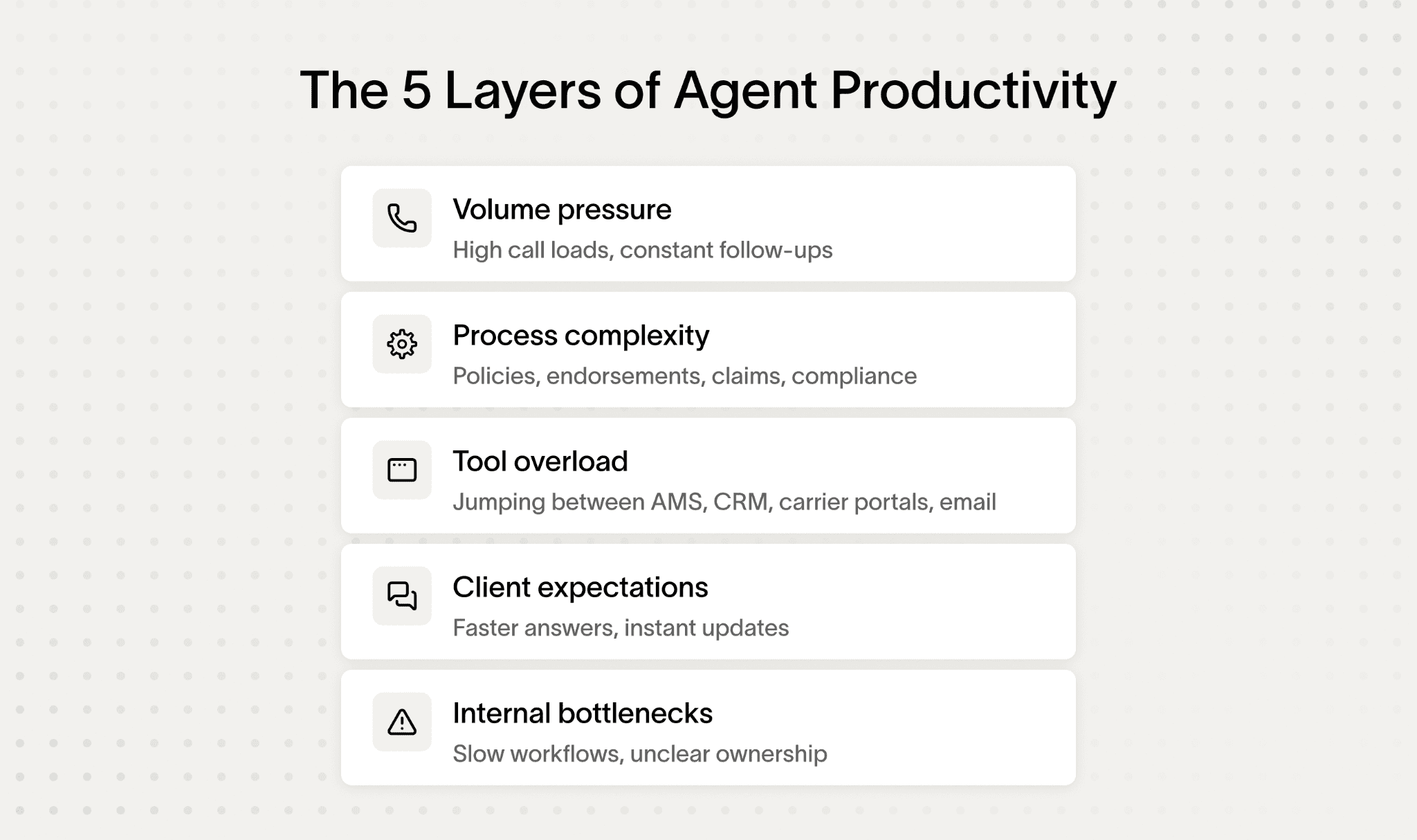
According to McKinsey, automating routine sales tasks could boost agent productivity by as much as 30%, freeing time for what really matters. At the same time, Harvard Business Review highlights the burnout risk in sales roles, especially when reps can’t offload repetitive tasks.
Plus, productivity links directly to your bottom line.
When you streamline your day and reduce burnout, you can close more sales and keep customers around longer. That means less churn and more profitability.
Once you understand the challenges, the next step is setting goals that actually stick. You’ll learn how to create clear, realistic targets that keep you focused and motivated every day.
How do you set goals that actually work?
The key is creating goals that fit each agent’s experience level. New agents might focus on building confidence through connection numbers, while veterans aim for higher sales targets or client retention.
Start with the SMART goals framework – make sure every goal is Specific, Measurable, Achievable, Relevant, and Time-bound. To make this even easier, here’s a quick checklist you can use when setting SMART goals:
Specific → state exactly what you want to improve. Example: “Increase new auto policies,” not “grow sales.”
Measurable → add a number so you can track progress.Example: “15% growth,” “200 new leads,” “5-minute reduction.”
Achievable → make sure the goal fits your team’s capacity. If you closed 100 policies last quarter, 300 might be unrealistic, but 120 isn’t.
Relevant → focus on goals that move the business forward. Choose targets that support revenue, retention, or customer experience.
Time-bound → set a clear deadline. Example: “By the end of Q2,” “within 60 days,” or “this month.”
This clarity helps everyone know exactly what to aim for.
Once you have your SMART goals, break them down into micro-metrics for daily or weekly tracking. This keeps motivation high and progress clear. Here’s a quick example:
30 calls per day
5 quotes sent each week
These bite-sized targets feel doable and make success easier to track. Speaking of tracking, regular goal reviews are crucial. Set monthly check-ins using dashboards to see what’s working and adjust goals if needed.
Tools like Applied Epic dashboards, AMS360 goal tracking modules, and Salesforce reports make this super easy.
You can even boost collaboration by integrating goal-setting apps such as Weekdone or 15Five with your CRM. These tools help teams stay connected and motivated as progress updates happen in real time.
Additionally, consider using Strada’s analytics and call outcome data to track how voice AI is impacting your key performance metrics.

This insight helps you fine-tune goals based on actual performance rather than guesswork.
With your goals in place, it’s time to make technology your ally, not your stressor. Let’s look at how the right tools can save you time without overwhelming you.
How can technology boost efficiency without overwhelming agents?
You want to boost your insurance agents' productivity, but adding new tools can sometimes feel like more work, not less. The key is to adopt technology that truly helps, without drowning agents in complexity.
Here’s a simple map showing when to introduce different insurance agent productivity tools so agents don’t feel overloaded:
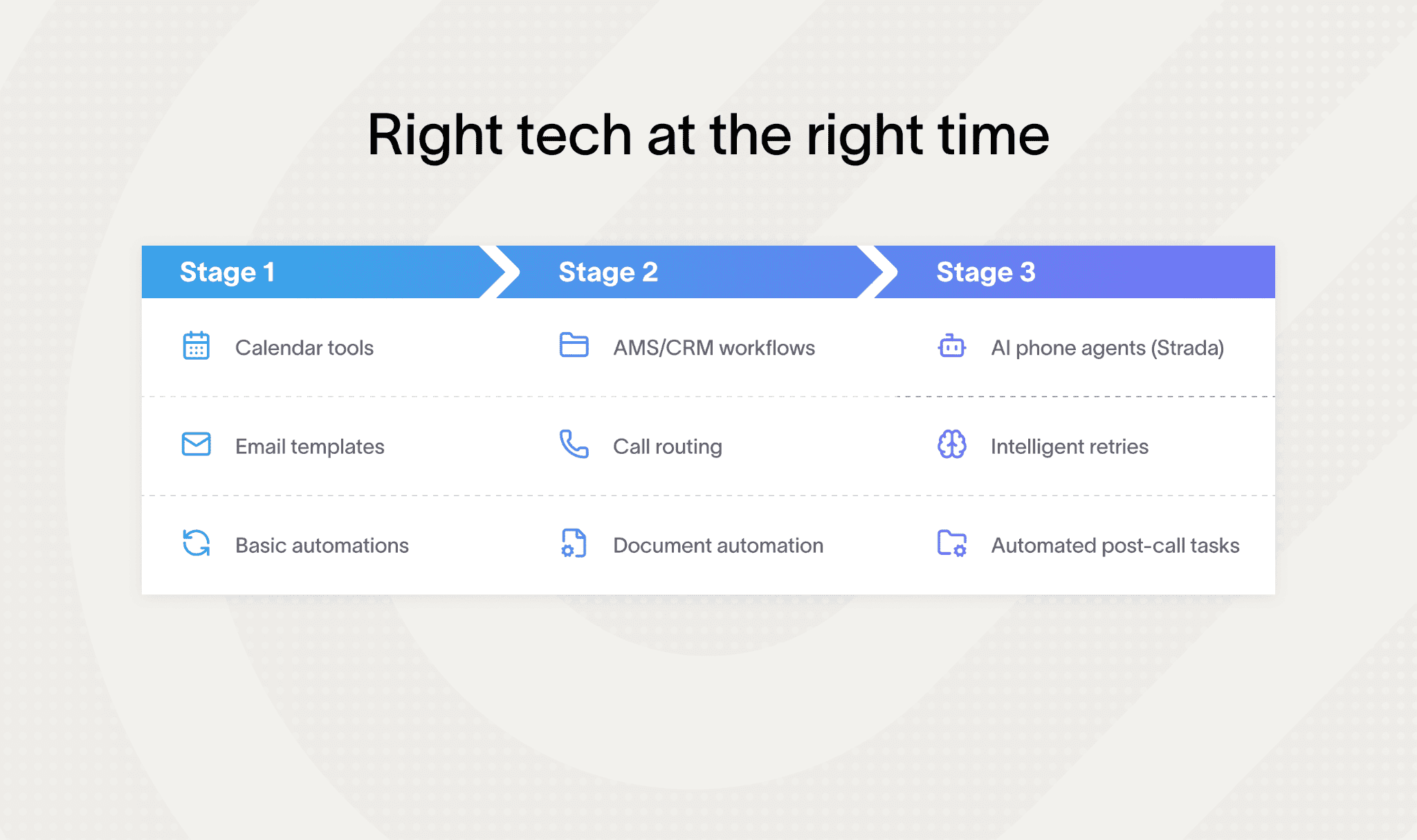
And, let’s explore how smart tech choices can streamline work, save time, and keep your team motivated.
First, start with integrated agency management software. Platforms like Applied Epic and AMS360 bring everything together. Here are a few practical AMS use cases that show how valuable this centralization becomes:
Policy management → track every policy, renewal date, endorsement, and update without digging through emails.
Customer relationship management → keep all client notes, tasks, and communication in one place so anyone can pick up the conversation.
Sales pipeline tracking → follow leads from quote intake to close, with clear visibility into who needs follow-up.
Document handling → store proposals, COIs, forms, and signed documents in one organized, searchable system.
Claims tracking → log FNOL details, monitor claim progress, and update customers faster.
Accounting workflows → sync premiums, commissions, invoices, and payments without manual spreadsheets.
Reporting and insights → pull performance reports instantly: renewals, revenue, close rates, and team activity.
Integration hub → connect to carriers, raters, phone systems, AI agents, and marketing tools without switching tabs.
No more flipping between apps or searching for documents. This saves time and reduces errors. With one hub for everything, your agents can focus on selling, not hunting down info.
Plus, here’s a quick breakdown of common productivity challenges and the tools that can help you solve them fast. Think of it as a shortcut to choosing the right solution without trial and error.
Use case / challenge | What you want to improve | Tools to consider | Why these tools help |
Time tracking & work visibility | Understand how agents spend their day | Teramind, Hubstaff, Toggl Track | Shows activity patterns, reduces wasted time, supports smarter staffing. |
Behavioral & productivity analytics | Spot bottlenecks and distractions | ActivTrak, Insightful, RescueTime | Highlights productivity blockers so you can coach teams better. |
Digital document management | Reduce paperwork and delays | DocuSign, OneSpan, PandaDoc | Makes signing and sending documents instant and paperless. |
Client self-service | Let clients help themselves | Quotit, EZLynx Client Center, CoverWallet Portals | Cuts call volume by letting customers get quotes or docs anytime. |
Virtual communication | Faster collaboration and remote work | Zoom, Microsoft Teams, Google Meet | Keeps teams and clients connected from anywhere. |
Knowledge & SOP management | Keep answers consistent and easy to find | Guru, Confluence, Notion | Centralizes key information so agents respond faster and accurately. |
Eliminate repetitive tasks | n8n, Zapier, Make.com, Strada Workflows | Automates follow-ups, data entry, reminders, and system updates. | |
Performance & KPI monitoring | Track productivity in real time | Strada Analytics, Playvox, Balto, JustCall AI | Gives insights into call quality, coaching opportunities, and team performance. |
Customer communication automation | Reduce manual messaging | Strada AI phone agents, Strada Chat, Intercom, Front, TextMagic | Automates texts, reminders, updates, and status alerts. |
Automation is a game changer too. According to a McKinsey study, about 33% of sales tasks are automatable. Routine admin work like data entry, scheduling, and follow-ups can be handled by software or AI, freeing agents to focus on closing deals and building relationships.
One innovation worth noting is Strada’s AI phone agents.
They handle high volumes of incoming and outgoing calls with zero hold time. This means your team never misses leads or gets bogged down by call overflow. Strada significantly improves call answer rates and lead capture, without increasing agent workload.
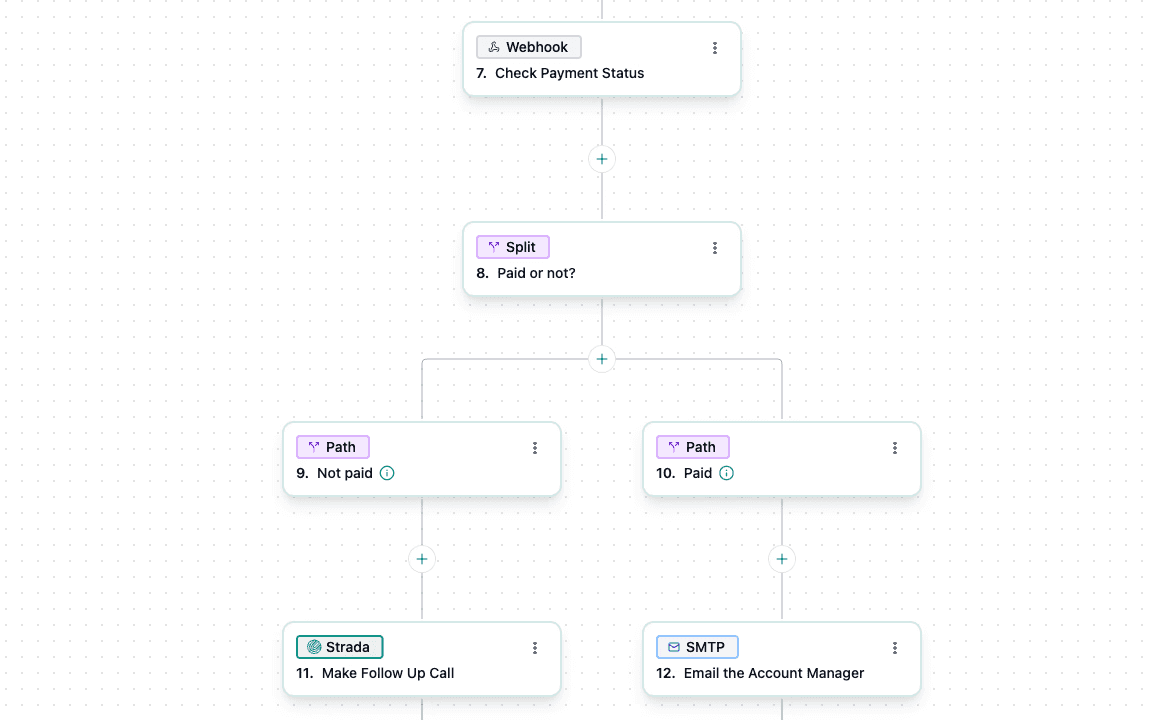
A standout feature is Strada’s “Workflows.” It automates post-call tasks like updating CRM records, scheduling follow-ups, and sending documents. This cuts down manual data entry and speeds up business processes. You can find more about this approach and related software options by exploring industry resources on agency tech solutions.
If you want your agents to spend less time on repetitive calls and more time on high-value work, Strada gives you a clear, simple path to get there. You don’t need engineering resources or months of setup.
You just need a structured start. Here’s a practical way to roll it out:
1. Identify the calls that slow your team down
Begin by listing the conversations your agents repeat every single day: renewals, FNOL, payment reminders, ID card requests, policy updates.
These are perfect starting points because they drain time but follow predictable patterns.
2. Pick one high-impact workflow to automate first
Don’t automate everything at once. Choose the one workflow that eats the most hours.
For most teams, that’s renewals or FNOL. This creates a fast win and builds internal confidence.
3. Connect Strada to your AMS and CRM
Strada integrates with systems like Salesforce, Applied Epic, AMS360, and policy/claims platforms. This lets the AI update records, create tasks, and send documents automatically, no more dual entry.
The setup is guided, so you won’t need your IT team to rebuild anything.
4. Load your basic knowledge
Add your FAQs, scripts, procedures, and product rules. You can paste in existing docs or use Strada’s knowledge tools to train the AI quickly.
This ensures consistent, accurate answers from day one.
5. Turn on Workflows for post-call tasks
This is where the real productivity boost happens. When a caller asks for a COI, reports a claim, or mentions they’re shopping for a better rate, Strada automatically triggers the right actions: updating your AMS, sending emails, scheduling follow-ups, and alerting your team.
6. Monitor performance and expand to new use cases
Once your first workflow runs smoothly, add the next one.
Your productivity grows with every process you automate, without adding headcount or burning out your agents.
By starting small, integrating well, and expanding steadily, you’ll see Strada improve productivity in days, not months.
Still, even the best tools won’t help if your workflows are messy. Let’s look at how you can clean up daily processes so agents work faster with less effort.
How do you simplify and optimize business workflows?
Start by identifying those time-consuming processes and bottlenecks. Use tools like Teramind or your CRM’s analytics reports to see where you spend the most time and where tasks tend to drop off.
This data helps you spot struggles you might overlook otherwise.
Next, focus on digitizing and automating the hardest parts.
For example, client applications can be moved online easily with e-forms through platforms like JotForm or Formstack. Automate policy renewals using workflow engines built into software like AMS360 or EZLynx. To keep track of daily tasks and collaborate smoothly, tools like Trello or Monday.com streamline your workload without the chaos.
Here’s a quick list of practical ways to simplify and speed up your workflows:
Digitize client applications with e-forms (JotForm, Formstack)
Automate renewals using Strada and AMS360 or EZLynx workflows
Manage daily tasks with Trello or Monday.com boards
Use HubSpot with Strada for automated follow-up emails and scheduling tools like YouCanBookMe or Calendly to avoid back-and-forth
Map your workflows visually in Lucidchart or Miro for clarity
Track time on tasks via CRM analytics to decide what to automate first
Automation tools really reduce friction and errors. Imagine automated follow-up emails reminding clients about renewals or scheduled calls without you lifting a finger. Scheduling tools like YouCanBookMe also help by letting clients book appointments themselves, sending automatic reminders, and even qualifying leads beforehand.
This frees you up to focus on what matters most – building relationships.
Applying Lean or Agile principles to your workflows can take things further. If you want to make Agile work in a real insurance environment, keep it simple. Start with small, repeatable habits your team can stick to:
Run short sprints (1–2 weeks) so improvements happen fast and don’t overwhelm anyone.
Hold quick daily stand-ups to share blockers, wins, and priorities in under 10 minutes.
Use a visible board (Trello, Jira, even a whiteboard) so everyone sees what’s in progress.
Do a short retrospective after each sprint to ask: What worked? What didn’t? What’s one thing we’ll try next?
Limit work in progress so agents aren’t juggling too many tasks at once.
Celebrate small wins. Agile works best when the team sees progress every week.
Keep it light and practical. You’re not trying to become a software team. You’re just adopting the parts of Agile that help your agents work smoother, stay aligned, and improve a little faster each day.
One tool that stands out is Strada Workflows.
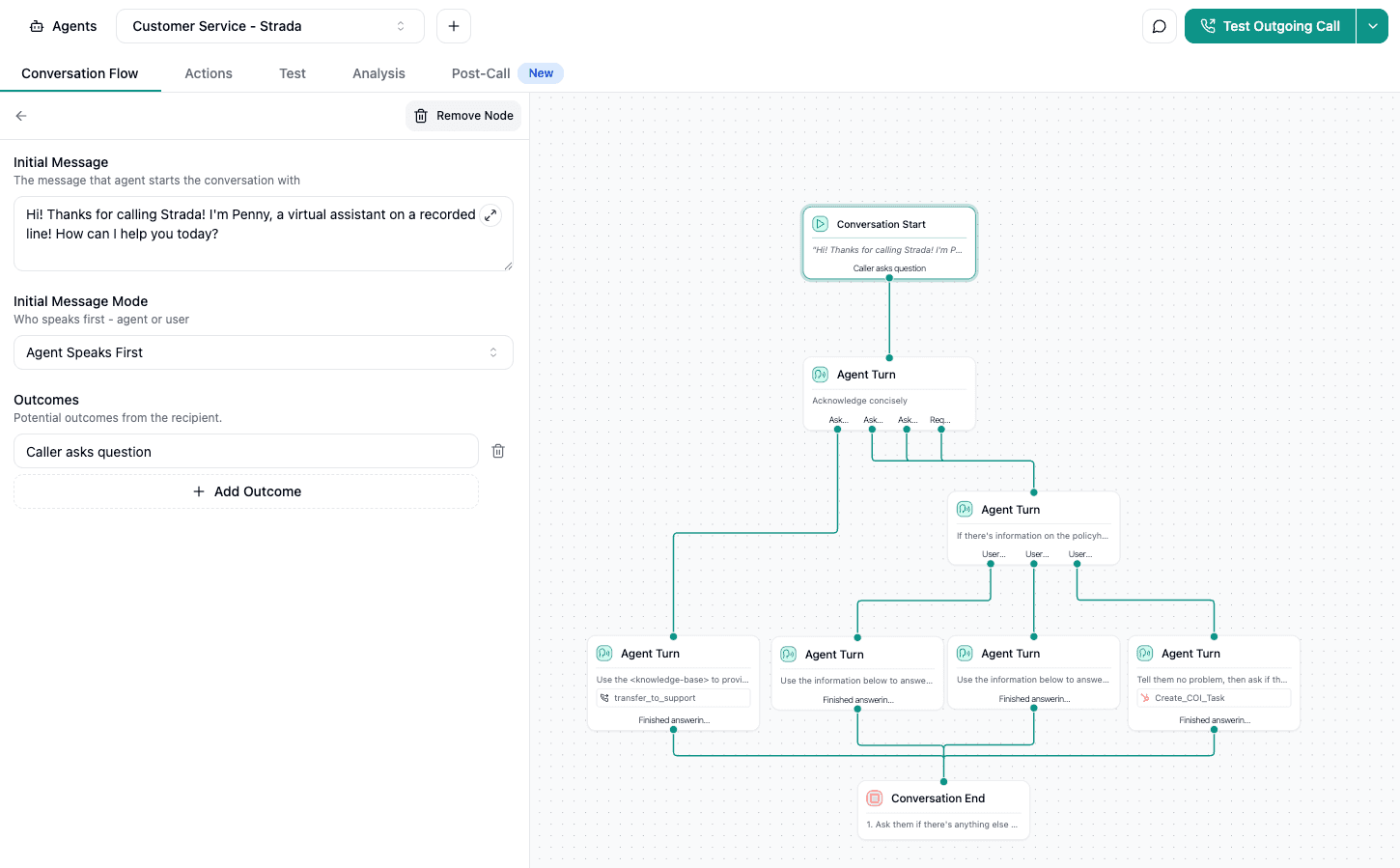
It’s designed to extend optimization beyond phone calls by triggering CRM updates, creating tasks, and issuing documents like Certificates of Insurance right after customer interactions.
Strada integrates smoothly with AMS, CRM, and policy systems, so you can automate renewal reminders, claims intake, and follow-ups. This means fewer manual handoffs and faster turnaround.
Everything flows seamlessly.
Simplifying workflows isn’t just about using tools; it’s about smart automation and continuous improvement. With these steps, you’ll unlock more productive days ahead in 2026 and beyond.
Once your systems run efficiently, it’s time to think long-term. Building a culture of continuous learning keeps your team sharp, adaptable, and ready for anything.
How to build a culture of continuous learning and development?
To keep up with growing agency goals and a constantly changing market, ongoing skill development is a must. You need to stay sharp with tech fluency, master consultative selling, and keep compliance top of mind. Without continuous learning, it’s easy to fall behind.
A great way to start is by using structured, standardized, self-paced video training modules. These allow everyone to learn at their own speed while keeping the training consistent.
Platforms like Total CSR or Litmos make it easy to manage and deliver these modules, so no one misses a beat.
To track progress and identify gaps, schedule regular skill assessments. Think quarterly quizzes and scenario-based evaluations that test real-world knowledge. Pair these with personalized coaching driven by behavioral analytics from tools like Teramind or ActivTrak.
This data helps coaches tailor feedback to each agent’s needs.
Mentorship boosts growth even more. Pair senior agents with juniors for hands-on guidance. Also, host monthly lunch & learn sessions on Zoom or Teams where peers can share tips and strategies. This encourages knowledge-sharing and builds a supportive team vibe.
Don’t forget professional development outside the office. Encourage agents to earn certifications like CPCU, ARM, or underwriting credentials. Plus, attending industry conferences such as InsureTech Connect or LIMRA events can spark fresh ideas and connections.
To keep everyone motivated, link training achievements to real rewards like promotions, bonuses, or public recognition. Celebrate wins big and small. It goes a long way.
Here’s a quick way to boost learning daily:
Use microlearning apps like Axonify or EdApp to deliver bite-sized lessons on mobile.
Reinforce key concepts with short, frequent training sessions.
Finally, tap into conversational analytics from tools like Strada to uncover coaching moments. Insights from real agent-customer talks help you tailor content and coaching exactly where it’s needed.
With these steps, you’ll create a culture where learning never stops and productivity soars.
After building strong development habits, you’re ready to streamline one of the biggest time drains: renewals and client follow-ups. Here’s how automation makes this easier.
How to automate renewals and client touchpoints for retention
You’ll want to prioritize early renewals. Ideally 30 to 45 days before a policy expires.
Why?
It gives your clients plenty of time to review options without feeling rushed. This leads to a smoother experience and better decisions. When renewal conversations happen last-minute, clients often feel pressured, which can hurt retention.
Automation is your best friend here.
Most CRMs, like EZLynx or AMS360, let you set up workflows to send renewal reminders automatically. Here’s a quick way to set up automated renewal reminders that actually work:
Define your reminder schedule → pick clear touchpoints: 45, 30, 15, and 3 days before renewal.
Create short, reusable templates → keep them friendly, clear, and focused on next steps.
Add merge fields → pull in customer name, policy type, renewal date, and agent contact info automatically.
Segment your customers → send different reminders to personal lines, commercial lines, or high-touch accounts.
Add a call-to-action → include one simple action: call your agent, confirm details, or update information.
Test your timing → start with a small group, check open rates, and adjust intervals as needed.
Monitor responses → track who replies, who clicks, and who doesn’t engage so agents know where to follow up manually.
Review monthly → update templates, tweak subject lines, and remove any unnecessary steps.
This setup keeps renewals moving smoothly and frees your team from chasing customers one by one.
It’s smart to segment your clients into low-risk and high-risk groups using CRM filters and data tags. Low-risk clients might be long-term policyholders with steady payment histories, while high-risk ones could include recent claimants or those with lapses.
This helps you tailor your retention strategies: send simple reminders to low-risk folks and deploy more personalized outreach or phone calls for high-risk clients.
Think of renewals as a chance to upsell or cross-sell. Prepare scripts and set marketing campaigns that launch automatically when a renewal is due. Tools like Strada Workflows, HubSpot sequences, or Mailchimp automation make this easy.
For example, if a client’s auto insurance renewal is coming up, you might introduce bundled home coverage offers or discounts on add-ons, boosting value and revenue.
To keep your retention efforts sharp, generate monthly “at-risk client” reports. These reports pinpoint who’s likely to shop around or drop off, so you can focus time where it counts most.
A simple data analysis in your CRM will highlight these clients, helping you prioritize.
Here’s a pro tip: add chatbots like Strada Chat, Drift, or Intercom to your agency website.
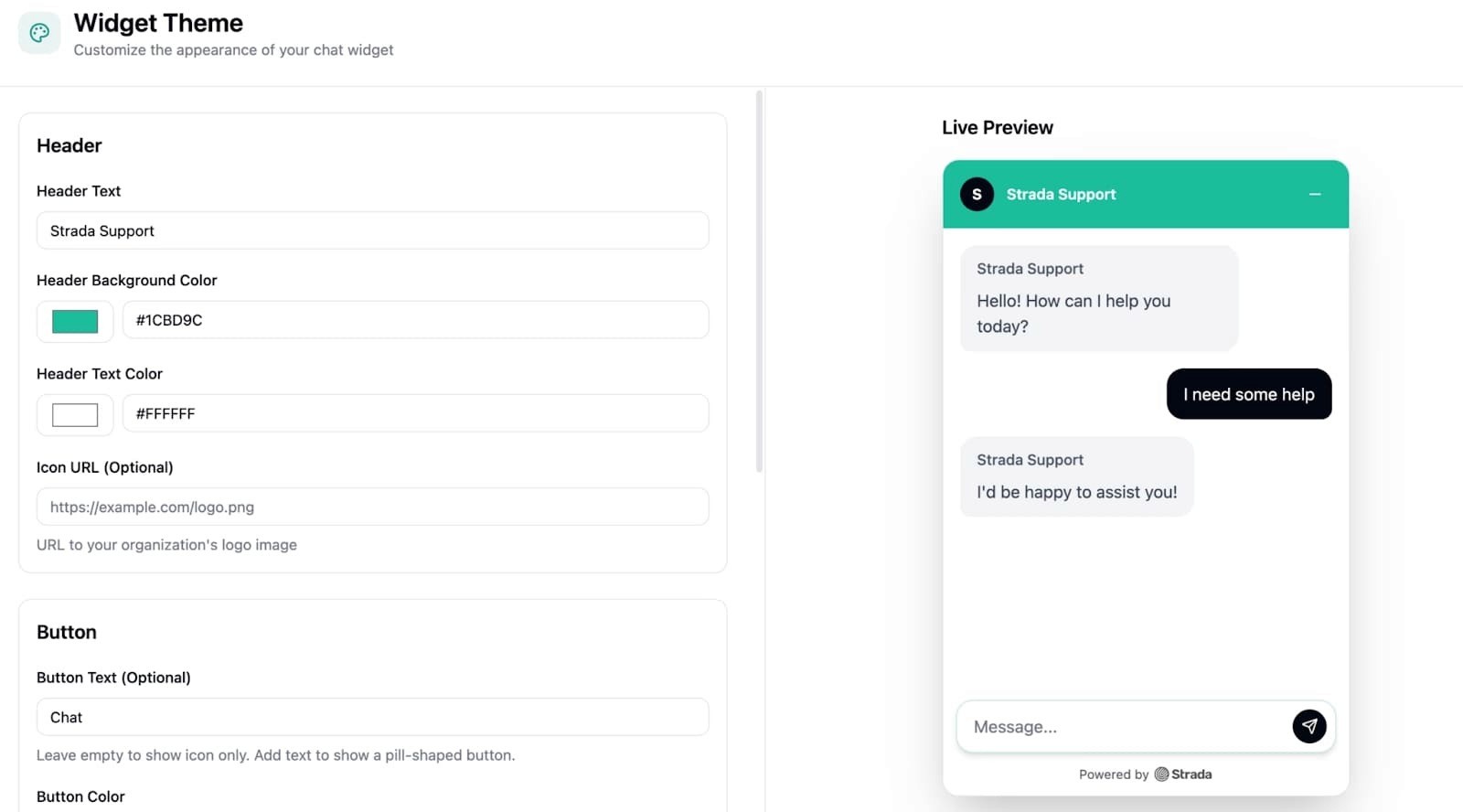
These bots can start conversations with clients when they visit near their renewal dates. A bot can answer quick questions or book appointments, saving you time and making clients feel supported in real time.
Another game changer is Strada’s AI phone agents.
They automatically schedule renewal calls and make intelligent retries if clients don’t answer. These calls use natural, friendly dialogue to gauge if someone might be thinking of leaving. The AI instantly flags churn risks, letting you jump in before it’s too late.
Here are a few realistic use cases where Strada’s AI phone agents make a big difference:
Missed renewal calls → AI retries automatically and at smarter times, so customers actually pick up.
Clients shopping for better rates → AI picks up hesitation in tone or wording and flags it instantly.
Unresponsive customers → AI follows up across phone and SMS, keeping the process moving without agent effort.
Coverage change requests → AI gathers details upfront so agents handle only the final decision.
Late-payment conversations → AI confirms payment intent and schedules reminders without tying up your team.
Upsell opportunities → AI detects when a customer mentions new assets, vehicles, or business changes.
High-risk sentiment → AI recognizes frustration or dissatisfaction in the call and alerts the retention team.
Quote follow-ups → AI calls back warm leads automatically so you don’t lose business to delays.
Building on that, Strada Workflows immediately create retention tasks the moment the AI detects risk.
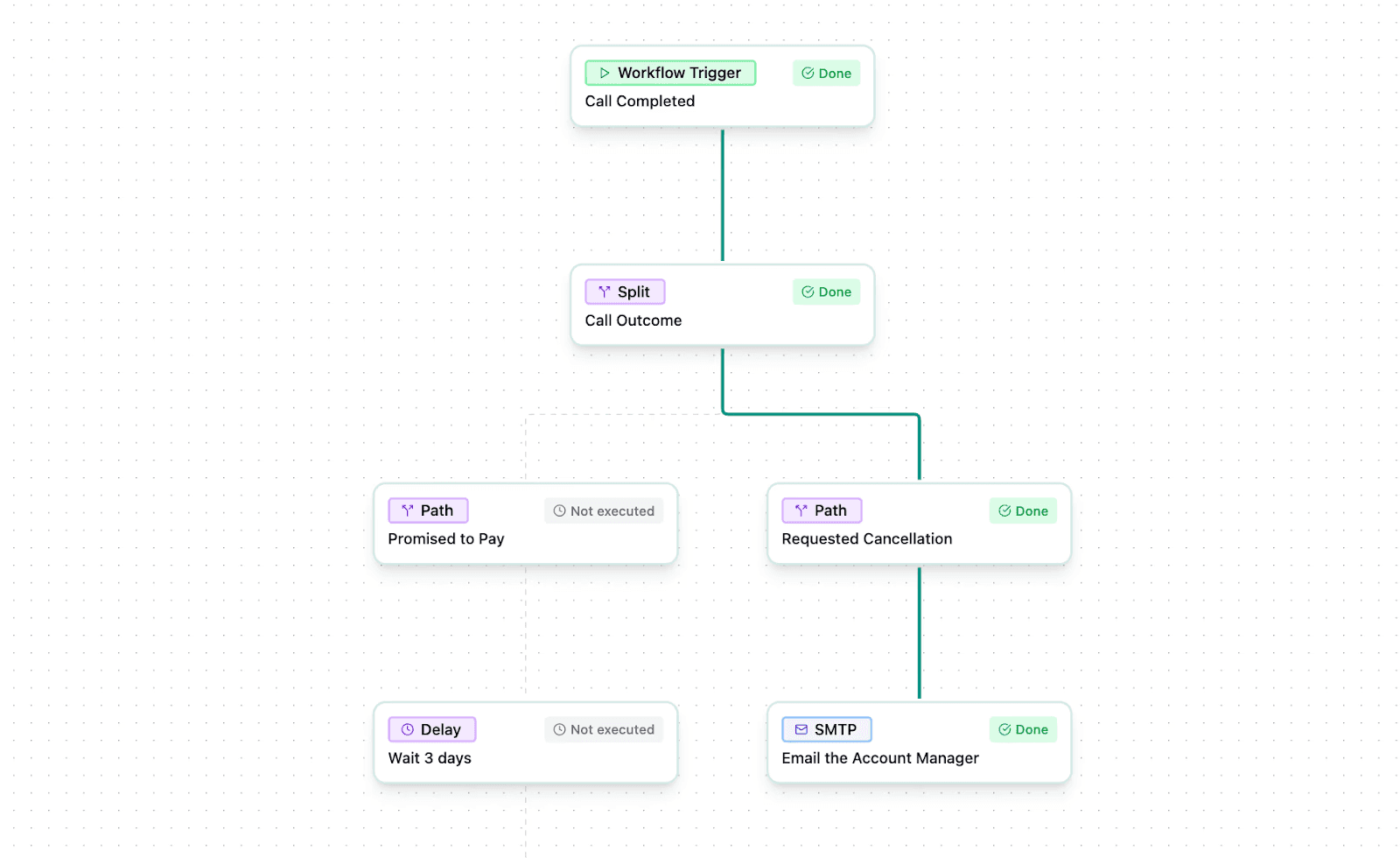
Your team gets a prompt to follow up personally with a tailored message. This turns renewals into proactive conversations, not just routine paperwork.
It’s a powerful way to improve retention and deepen client relationships.
Automation takes pressure off agents, but leaders still shape the team’s success. Now let’s talk about simple ways managers can guide, support, and motivate their teams better.
How to enhance leadership and management effectiveness?
You’ll find that great leadership directly boosts insurance agent productivity.
When leaders communicate clearly, align goals, and motivate their teams, agents perform better and stay engaged. The key is making sure everyone knows what success looks like and feels supported along the way.
To sharpen your skills or those of your managers, consider leadership training designed specifically for insurance pros. Programs from LIMRA, Dale Carnegie, and LinkedIn Learning offer practical courses that focus on real-world challenges. They help leaders master techniques to guide, inspire, and develop their agents.
A few frameworks stand out for keeping teams on track.
Framework | What it is | How it helps your team | When to use it |
Situational leadership | Leaders adjust their style to each agent’s skill and confidence. | Improves coaching, reduces micromanagement, builds trust. | Training new hires, supporting underperformers, growing rising stars. |
OKRs (Objectives & Key Results) | Sets measurable team and company goals with clear outcomes. | Aligns everyone, keeps priorities tight, shows progress quickly. | Quarterly planning, team realignment, launching big initiatives. |
Eisenhower matrix | Sorts tasks into urgent vs. important quadrants. | Helps agents focus on the work that truly matters. | Daily planning, handling heavy workloads. |
Lean (continuous improvement) | Eliminates waste and repetitive steps in workflows. | Shortens processing times, cuts errors, reduces frustration. | Fixing slow processes, improving service queues, optimizing operations. |
Agile (short iteration cycles) | Teams improve work week by week in small steps. | Keeps changes manageable, encourages quick wins, boosts team engagement. | When improving workflows, refining scripts, testing new processes. |
RACI matrix | Defines who is Responsible, Accountable, Consulted, and Informed. | Removes confusion, stops duplicated work, speeds up decisions. | Cross-team projects, renewals, claims automation, onboarding. |
GROW coaching model | Guiding conversations through Goal → Reality → Options → Will. | Supports structured coaching, improves agent performance. | 1:1s, performance improvement plans, career development. |
MoSCoW prioritization | Categorizes work into Must/Should/Could/Won’t. | Helps teams pick the right tasks first. | Sprint planning, backlog refinement, tech upgrades. |
PDCA Cycle (plan–do–check–act) | A simple loop for continuous improvement. | Helps test changes quickly and adjust based on results. | Rolling out new scripts, testing new workflows, refining call processes. |
Also, regular one-on-ones are essential. Use these meetings not just to review performance, but to discuss career goals and clear obstacles. This personal approach builds trust and uncovers issues early.
Creating a feedback-rich culture also pays off. Implement 360-degree reviews so agents get input from multiple sources, and use pulse surveys like CultureAmp or Officevibe to gauge morale in real time. These insurance agent productivity tools keep communication open and honest.
Don’t forget the power of teamwork. Tools like Slack or Microsoft Teams keep everyone connected and maintain culture, even in remote settings.
Here’s a pro tip: encourage leaders to coach agents using data from productivity analytics platforms like Teramind. You can even leverage Strada’s call analytics dashboards and workflow status reports to spot trends, coach based on conversation data, and quickly adjust strategy. These insights make coaching precise and powerful.
You now have the core strategies, tools, and habits that drive real productivity gains. Here’s how to put everything together and take your next steps with confidence.
Your next steps to boost agent productivity fast
Before you plan your next steps, it helps to zoom out for a moment.
The insurance landscape is shifting fast, and the companies winning today are the ones making small, steady improvements. Not massive, overwhelming changes.
If you want a simple place to start, focus on a few actions that deliver real momentum right away:
Choose one high-impact area to fix first. Start small. Optimize one workflow, cut one bottleneck, or adopt one tool like YouCanBookMe for faster scheduling. Small wins build momentum fast.
Test 1–2 insurance agent productivity tools with real scenarios. Don’t guess. Run demos with your actual use cases: renewals, FNOL, policy updates. Tools like Strada show instantly how AI calls and automated workflows remove daily busywork.
Create simple SOPs your agents can follow. Write short, clear steps for repetitive tasks: renewals, COI requests, late payments. When everyone follows the same playbook, productivity jumps.
Set one weekly learning goal for the team. Keep it light. Share a short video, a script tweak, or a new best practice. Continuous improvement works best in small, steady doses.
Review performance data together every two weeks. Look at call volumes, handling times, missed opportunities, and client sentiment. Use the insights to adjust scripts, automate steps, or coach agents where needed.
And if you’re curious how this could work for your team, you can always explore Strada with a quick demo. It’s an easy way to see real examples and decide if the approach fits your workflow.
No pressure, just insights.
Frequently Asked Questions
What’s the fastest way to boost agent productivity?
Start by removing repetitive tasks. Automate calls, follow-ups, and document steps so agents spend more time talking to clients and less time doing admin work.
How can agencies reduce call overload?
Framer is a design tool that allows you to design websites on a freeform canvas, and then publish them as websites with a single click.
Which workflows should I optimize first?
Framer is a design tool that allows you to design websites on a freeform canvas, and then publish them as websites with a single click.
Should small agencies invest in automation?
Framer is a design tool that allows you to design websites on a freeform canvas, and then publish them as websites with a single click.
How can I improve retention through better productivity?
Framer is a design tool that allows you to design websites on a freeform canvas, and then publish them as websites with a single click.
Table of Contents
Carriers, MGAs, and brokers scale revenue-driving phone calls with Strada's conversational AI platform.
Start scaling with voice AI agents today
Join innovative carriers and MGAs transforming their calls with Strada.
How to Increase Insurance Agent Productivity Fast in 2026
Amir Prodensky
CEO
11 min read
Simple strategies to help agents save time, focus better, and serve clients faster.
I still remember the moment I realized I was spending more time managing tasks than actually talking to clients.
Between endless follow-ups, updating systems, and trying to stay ahead of new tech tools, my days felt like a blur. If you’re an insurance agent in 2026, you probably know that feeling too.
The market moves fast, clients expect more, and juggling it all can feel impossible some days.
That’s why boosting productivity isn’t just about getting more done. It’s about reclaiming your time and focus. When you streamline your work, you can finally spend more energy where it matters most: building relationships, closing deals, and helping clients feel secure.
In this guide, I’ll share the strategies and insurance agent productivity tools that helped me (and many other agents) work smarter, not harder. Here’s what you’ll learn from the “how to increase insurance agent productivity” guide:
What makes insurance agent productivity unique, and how to overcome the biggest challenges.
How to set goals that actually stick and drive real progress.
How to use technology and AI tools to boost efficiency without burnout.
How to simplify workflows and automate client touchpoints for better retention.
How to build a motivated, growth-oriented team that thrives in 2026.
Still, before you try to work faster, let’s take a step back. What makes insurance agent productivity so unique, and why is it often harder than it looks?
What makes insurance agent productivity unique and challenging?
Insurance agents face a unique mix of challenges that make productivity tough.
You’re constantly juggling client meetings, admin tasks, and sales efforts, all while trying to stay sharp and avoid burnout. Managing these demands isn’t just hard; it’s a balancing act that can wear you down fast.
Two big blockers stand out:
The constant switch between selling and paperwork eats up time and focus.
Adapting to new tech and workflows can feel overwhelming and slow you down at first.
Add in the high competition and complexity of insurance sales, compared to simpler product sales, insurance needs more explanation, trust-building, and customization.
To make this even clearer, here’s a simple way to visualize the layers that shape agent productivity:
According to McKinsey, automating routine sales tasks could boost agent productivity by as much as 30%, freeing time for what really matters. At the same time, Harvard Business Review highlights the burnout risk in sales roles, especially when reps can’t offload repetitive tasks.
Plus, productivity links directly to your bottom line.
When you streamline your day and reduce burnout, you can close more sales and keep customers around longer. That means less churn and more profitability.
Once you understand the challenges, the next step is setting goals that actually stick. You’ll learn how to create clear, realistic targets that keep you focused and motivated every day.
How do you set goals that actually work?
The key is creating goals that fit each agent’s experience level. New agents might focus on building confidence through connection numbers, while veterans aim for higher sales targets or client retention.
Start with the SMART goals framework – make sure every goal is Specific, Measurable, Achievable, Relevant, and Time-bound. To make this even easier, here’s a quick checklist you can use when setting SMART goals:
Specific → state exactly what you want to improve. Example: “Increase new auto policies,” not “grow sales.”
Measurable → add a number so you can track progress.Example: “15% growth,” “200 new leads,” “5-minute reduction.”
Achievable → make sure the goal fits your team’s capacity. If you closed 100 policies last quarter, 300 might be unrealistic, but 120 isn’t.
Relevant → focus on goals that move the business forward. Choose targets that support revenue, retention, or customer experience.
Time-bound → set a clear deadline. Example: “By the end of Q2,” “within 60 days,” or “this month.”
This clarity helps everyone know exactly what to aim for.
Once you have your SMART goals, break them down into micro-metrics for daily or weekly tracking. This keeps motivation high and progress clear. Here’s a quick example:
30 calls per day
5 quotes sent each week
These bite-sized targets feel doable and make success easier to track. Speaking of tracking, regular goal reviews are crucial. Set monthly check-ins using dashboards to see what’s working and adjust goals if needed.
Tools like Applied Epic dashboards, AMS360 goal tracking modules, and Salesforce reports make this super easy.
You can even boost collaboration by integrating goal-setting apps such as Weekdone or 15Five with your CRM. These tools help teams stay connected and motivated as progress updates happen in real time.
Additionally, consider using Strada’s analytics and call outcome data to track how voice AI is impacting your key performance metrics.
This insight helps you fine-tune goals based on actual performance rather than guesswork.
With your goals in place, it’s time to make technology your ally, not your stressor. Let’s look at how the right tools can save you time without overwhelming you.
How can technology boost efficiency without overwhelming agents?
You want to boost your insurance agents' productivity, but adding new tools can sometimes feel like more work, not less. The key is to adopt technology that truly helps, without drowning agents in complexity.
Here’s a simple map showing when to introduce different insurance agent productivity tools so agents don’t feel overloaded:
And, let’s explore how smart tech choices can streamline work, save time, and keep your team motivated.
First, start with integrated agency management software. Platforms like Applied Epic and AMS360 bring everything together. Here are a few practical AMS use cases that show how valuable this centralization becomes:
Policy management → track every policy, renewal date, endorsement, and update without digging through emails.
Customer relationship management → keep all client notes, tasks, and communication in one place so anyone can pick up the conversation.
Sales pipeline tracking → follow leads from quote intake to close, with clear visibility into who needs follow-up.
Document handling → store proposals, COIs, forms, and signed documents in one organized, searchable system.
Claims tracking → log FNOL details, monitor claim progress, and update customers faster.
Accounting workflows → sync premiums, commissions, invoices, and payments without manual spreadsheets.
Reporting and insights → pull performance reports instantly: renewals, revenue, close rates, and team activity.
Integration hub → connect to carriers, raters, phone systems, AI agents, and marketing tools without switching tabs.
No more flipping between apps or searching for documents. This saves time and reduces errors. With one hub for everything, your agents can focus on selling, not hunting down info.
Plus, here’s a quick breakdown of common productivity challenges and the tools that can help you solve them fast. Think of it as a shortcut to choosing the right solution without trial and error.
Use case / challenge | What you want to improve | Tools to consider | Why these tools help |
Time tracking & work visibility | Understand how agents spend their day | Teramind, Hubstaff, Toggl Track | Shows activity patterns, reduces wasted time, supports smarter staffing. |
Behavioral & productivity analytics | Spot bottlenecks and distractions | ActivTrak, Insightful, RescueTime | Highlights productivity blockers so you can coach teams better. |
Digital document management | Reduce paperwork and delays | DocuSign, OneSpan, PandaDoc | Makes signing and sending documents instant and paperless. |
Client self-service | Let clients help themselves | Quotit, EZLynx Client Center, CoverWallet Portals | Cuts call volume by letting customers get quotes or docs anytime. |
Virtual communication | Faster collaboration and remote work | Zoom, Microsoft Teams, Google Meet | Keeps teams and clients connected from anywhere. |
Knowledge & SOP management | Keep answers consistent and easy to find | Guru, Confluence, Notion | Centralizes key information so agents respond faster and accurately. |
Eliminate repetitive tasks | n8n, Zapier, Make.com, Strada Workflows | Automates follow-ups, data entry, reminders, and system updates. | |
Performance & KPI monitoring | Track productivity in real time | Strada Analytics, Playvox, Balto, JustCall AI | Gives insights into call quality, coaching opportunities, and team performance. |
Customer communication automation | Reduce manual messaging | Strada AI phone agents, Strada Chat, Intercom, Front, TextMagic | Automates texts, reminders, updates, and status alerts. |
Automation is a game changer too. According to a McKinsey study, about 33% of sales tasks are automatable. Routine admin work like data entry, scheduling, and follow-ups can be handled by software or AI, freeing agents to focus on closing deals and building relationships.
One innovation worth noting is Strada’s AI phone agents.
They handle high volumes of incoming and outgoing calls with zero hold time. This means your team never misses leads or gets bogged down by call overflow. Strada significantly improves call answer rates and lead capture, without increasing agent workload.
A standout feature is Strada’s “Workflows.” It automates post-call tasks like updating CRM records, scheduling follow-ups, and sending documents. This cuts down manual data entry and speeds up business processes. You can find more about this approach and related software options by exploring industry resources on agency tech solutions.
If you want your agents to spend less time on repetitive calls and more time on high-value work, Strada gives you a clear, simple path to get there. You don’t need engineering resources or months of setup.
You just need a structured start. Here’s a practical way to roll it out:
1. Identify the calls that slow your team down
Begin by listing the conversations your agents repeat every single day: renewals, FNOL, payment reminders, ID card requests, policy updates.
These are perfect starting points because they drain time but follow predictable patterns.
2. Pick one high-impact workflow to automate first
Don’t automate everything at once. Choose the one workflow that eats the most hours.
For most teams, that’s renewals or FNOL. This creates a fast win and builds internal confidence.
3. Connect Strada to your AMS and CRM
Strada integrates with systems like Salesforce, Applied Epic, AMS360, and policy/claims platforms. This lets the AI update records, create tasks, and send documents automatically, no more dual entry.
The setup is guided, so you won’t need your IT team to rebuild anything.
4. Load your basic knowledge
Add your FAQs, scripts, procedures, and product rules. You can paste in existing docs or use Strada’s knowledge tools to train the AI quickly.
This ensures consistent, accurate answers from day one.
5. Turn on Workflows for post-call tasks
This is where the real productivity boost happens. When a caller asks for a COI, reports a claim, or mentions they’re shopping for a better rate, Strada automatically triggers the right actions: updating your AMS, sending emails, scheduling follow-ups, and alerting your team.
6. Monitor performance and expand to new use cases
Once your first workflow runs smoothly, add the next one.
Your productivity grows with every process you automate, without adding headcount or burning out your agents.
By starting small, integrating well, and expanding steadily, you’ll see Strada improve productivity in days, not months.
Still, even the best tools won’t help if your workflows are messy. Let’s look at how you can clean up daily processes so agents work faster with less effort.
How do you simplify and optimize business workflows?
Start by identifying those time-consuming processes and bottlenecks. Use tools like Teramind or your CRM’s analytics reports to see where you spend the most time and where tasks tend to drop off.
This data helps you spot struggles you might overlook otherwise.
Next, focus on digitizing and automating the hardest parts.
For example, client applications can be moved online easily with e-forms through platforms like JotForm or Formstack. Automate policy renewals using workflow engines built into software like AMS360 or EZLynx. To keep track of daily tasks and collaborate smoothly, tools like Trello or Monday.com streamline your workload without the chaos.
Here’s a quick list of practical ways to simplify and speed up your workflows:
Digitize client applications with e-forms (JotForm, Formstack)
Automate renewals using Strada and AMS360 or EZLynx workflows
Manage daily tasks with Trello or Monday.com boards
Use HubSpot with Strada for automated follow-up emails and scheduling tools like YouCanBookMe or Calendly to avoid back-and-forth
Map your workflows visually in Lucidchart or Miro for clarity
Track time on tasks via CRM analytics to decide what to automate first
Automation tools really reduce friction and errors. Imagine automated follow-up emails reminding clients about renewals or scheduled calls without you lifting a finger. Scheduling tools like YouCanBookMe also help by letting clients book appointments themselves, sending automatic reminders, and even qualifying leads beforehand.
This frees you up to focus on what matters most – building relationships.
Applying Lean or Agile principles to your workflows can take things further. If you want to make Agile work in a real insurance environment, keep it simple. Start with small, repeatable habits your team can stick to:
Run short sprints (1–2 weeks) so improvements happen fast and don’t overwhelm anyone.
Hold quick daily stand-ups to share blockers, wins, and priorities in under 10 minutes.
Use a visible board (Trello, Jira, even a whiteboard) so everyone sees what’s in progress.
Do a short retrospective after each sprint to ask: What worked? What didn’t? What’s one thing we’ll try next?
Limit work in progress so agents aren’t juggling too many tasks at once.
Celebrate small wins. Agile works best when the team sees progress every week.
Keep it light and practical. You’re not trying to become a software team. You’re just adopting the parts of Agile that help your agents work smoother, stay aligned, and improve a little faster each day.
One tool that stands out is Strada Workflows.
It’s designed to extend optimization beyond phone calls by triggering CRM updates, creating tasks, and issuing documents like Certificates of Insurance right after customer interactions.
Strada integrates smoothly with AMS, CRM, and policy systems, so you can automate renewal reminders, claims intake, and follow-ups. This means fewer manual handoffs and faster turnaround.
Everything flows seamlessly.
Simplifying workflows isn’t just about using tools; it’s about smart automation and continuous improvement. With these steps, you’ll unlock more productive days ahead in 2026 and beyond.
Once your systems run efficiently, it’s time to think long-term. Building a culture of continuous learning keeps your team sharp, adaptable, and ready for anything.
How to build a culture of continuous learning and development?
To keep up with growing agency goals and a constantly changing market, ongoing skill development is a must. You need to stay sharp with tech fluency, master consultative selling, and keep compliance top of mind. Without continuous learning, it’s easy to fall behind.
A great way to start is by using structured, standardized, self-paced video training modules. These allow everyone to learn at their own speed while keeping the training consistent.
Platforms like Total CSR or Litmos make it easy to manage and deliver these modules, so no one misses a beat.
To track progress and identify gaps, schedule regular skill assessments. Think quarterly quizzes and scenario-based evaluations that test real-world knowledge. Pair these with personalized coaching driven by behavioral analytics from tools like Teramind or ActivTrak.
This data helps coaches tailor feedback to each agent’s needs.
Mentorship boosts growth even more. Pair senior agents with juniors for hands-on guidance. Also, host monthly lunch & learn sessions on Zoom or Teams where peers can share tips and strategies. This encourages knowledge-sharing and builds a supportive team vibe.
Don’t forget professional development outside the office. Encourage agents to earn certifications like CPCU, ARM, or underwriting credentials. Plus, attending industry conferences such as InsureTech Connect or LIMRA events can spark fresh ideas and connections.
To keep everyone motivated, link training achievements to real rewards like promotions, bonuses, or public recognition. Celebrate wins big and small. It goes a long way.
Here’s a quick way to boost learning daily:
Use microlearning apps like Axonify or EdApp to deliver bite-sized lessons on mobile.
Reinforce key concepts with short, frequent training sessions.
Finally, tap into conversational analytics from tools like Strada to uncover coaching moments. Insights from real agent-customer talks help you tailor content and coaching exactly where it’s needed.
With these steps, you’ll create a culture where learning never stops and productivity soars.
After building strong development habits, you’re ready to streamline one of the biggest time drains: renewals and client follow-ups. Here’s how automation makes this easier.
How to automate renewals and client touchpoints for retention
You’ll want to prioritize early renewals. Ideally 30 to 45 days before a policy expires.
Why?
It gives your clients plenty of time to review options without feeling rushed. This leads to a smoother experience and better decisions. When renewal conversations happen last-minute, clients often feel pressured, which can hurt retention.
Automation is your best friend here.
Most CRMs, like EZLynx or AMS360, let you set up workflows to send renewal reminders automatically. Here’s a quick way to set up automated renewal reminders that actually work:
Define your reminder schedule → pick clear touchpoints: 45, 30, 15, and 3 days before renewal.
Create short, reusable templates → keep them friendly, clear, and focused on next steps.
Add merge fields → pull in customer name, policy type, renewal date, and agent contact info automatically.
Segment your customers → send different reminders to personal lines, commercial lines, or high-touch accounts.
Add a call-to-action → include one simple action: call your agent, confirm details, or update information.
Test your timing → start with a small group, check open rates, and adjust intervals as needed.
Monitor responses → track who replies, who clicks, and who doesn’t engage so agents know where to follow up manually.
Review monthly → update templates, tweak subject lines, and remove any unnecessary steps.
This setup keeps renewals moving smoothly and frees your team from chasing customers one by one.
It’s smart to segment your clients into low-risk and high-risk groups using CRM filters and data tags. Low-risk clients might be long-term policyholders with steady payment histories, while high-risk ones could include recent claimants or those with lapses.
This helps you tailor your retention strategies: send simple reminders to low-risk folks and deploy more personalized outreach or phone calls for high-risk clients.
Think of renewals as a chance to upsell or cross-sell. Prepare scripts and set marketing campaigns that launch automatically when a renewal is due. Tools like Strada Workflows, HubSpot sequences, or Mailchimp automation make this easy.
For example, if a client’s auto insurance renewal is coming up, you might introduce bundled home coverage offers or discounts on add-ons, boosting value and revenue.
To keep your retention efforts sharp, generate monthly “at-risk client” reports. These reports pinpoint who’s likely to shop around or drop off, so you can focus time where it counts most.
A simple data analysis in your CRM will highlight these clients, helping you prioritize.
Here’s a pro tip: add chatbots like Strada Chat, Drift, or Intercom to your agency website.
These bots can start conversations with clients when they visit near their renewal dates. A bot can answer quick questions or book appointments, saving you time and making clients feel supported in real time.
Another game changer is Strada’s AI phone agents.
They automatically schedule renewal calls and make intelligent retries if clients don’t answer. These calls use natural, friendly dialogue to gauge if someone might be thinking of leaving. The AI instantly flags churn risks, letting you jump in before it’s too late.
Here are a few realistic use cases where Strada’s AI phone agents make a big difference:
Missed renewal calls → AI retries automatically and at smarter times, so customers actually pick up.
Clients shopping for better rates → AI picks up hesitation in tone or wording and flags it instantly.
Unresponsive customers → AI follows up across phone and SMS, keeping the process moving without agent effort.
Coverage change requests → AI gathers details upfront so agents handle only the final decision.
Late-payment conversations → AI confirms payment intent and schedules reminders without tying up your team.
Upsell opportunities → AI detects when a customer mentions new assets, vehicles, or business changes.
High-risk sentiment → AI recognizes frustration or dissatisfaction in the call and alerts the retention team.
Quote follow-ups → AI calls back warm leads automatically so you don’t lose business to delays.
Building on that, Strada Workflows immediately create retention tasks the moment the AI detects risk.
Your team gets a prompt to follow up personally with a tailored message. This turns renewals into proactive conversations, not just routine paperwork.
It’s a powerful way to improve retention and deepen client relationships.
Automation takes pressure off agents, but leaders still shape the team’s success. Now let’s talk about simple ways managers can guide, support, and motivate their teams better.
How to enhance leadership and management effectiveness?
You’ll find that great leadership directly boosts insurance agent productivity.
When leaders communicate clearly, align goals, and motivate their teams, agents perform better and stay engaged. The key is making sure everyone knows what success looks like and feels supported along the way.
To sharpen your skills or those of your managers, consider leadership training designed specifically for insurance pros. Programs from LIMRA, Dale Carnegie, and LinkedIn Learning offer practical courses that focus on real-world challenges. They help leaders master techniques to guide, inspire, and develop their agents.
A few frameworks stand out for keeping teams on track.
Framework | What it is | How it helps your team | When to use it |
Situational leadership | Leaders adjust their style to each agent’s skill and confidence. | Improves coaching, reduces micromanagement, builds trust. | Training new hires, supporting underperformers, growing rising stars. |
OKRs (Objectives & Key Results) | Sets measurable team and company goals with clear outcomes. | Aligns everyone, keeps priorities tight, shows progress quickly. | Quarterly planning, team realignment, launching big initiatives. |
Eisenhower matrix | Sorts tasks into urgent vs. important quadrants. | Helps agents focus on the work that truly matters. | Daily planning, handling heavy workloads. |
Lean (continuous improvement) | Eliminates waste and repetitive steps in workflows. | Shortens processing times, cuts errors, reduces frustration. | Fixing slow processes, improving service queues, optimizing operations. |
Agile (short iteration cycles) | Teams improve work week by week in small steps. | Keeps changes manageable, encourages quick wins, boosts team engagement. | When improving workflows, refining scripts, testing new processes. |
RACI matrix | Defines who is Responsible, Accountable, Consulted, and Informed. | Removes confusion, stops duplicated work, speeds up decisions. | Cross-team projects, renewals, claims automation, onboarding. |
GROW coaching model | Guiding conversations through Goal → Reality → Options → Will. | Supports structured coaching, improves agent performance. | 1:1s, performance improvement plans, career development. |
MoSCoW prioritization | Categorizes work into Must/Should/Could/Won’t. | Helps teams pick the right tasks first. | Sprint planning, backlog refinement, tech upgrades. |
PDCA Cycle (plan–do–check–act) | A simple loop for continuous improvement. | Helps test changes quickly and adjust based on results. | Rolling out new scripts, testing new workflows, refining call processes. |
Also, regular one-on-ones are essential. Use these meetings not just to review performance, but to discuss career goals and clear obstacles. This personal approach builds trust and uncovers issues early.
Creating a feedback-rich culture also pays off. Implement 360-degree reviews so agents get input from multiple sources, and use pulse surveys like CultureAmp or Officevibe to gauge morale in real time. These insurance agent productivity tools keep communication open and honest.
Don’t forget the power of teamwork. Tools like Slack or Microsoft Teams keep everyone connected and maintain culture, even in remote settings.
Here’s a pro tip: encourage leaders to coach agents using data from productivity analytics platforms like Teramind. You can even leverage Strada’s call analytics dashboards and workflow status reports to spot trends, coach based on conversation data, and quickly adjust strategy. These insights make coaching precise and powerful.
You now have the core strategies, tools, and habits that drive real productivity gains. Here’s how to put everything together and take your next steps with confidence.
Your next steps to boost agent productivity fast
Before you plan your next steps, it helps to zoom out for a moment.
The insurance landscape is shifting fast, and the companies winning today are the ones making small, steady improvements. Not massive, overwhelming changes.
If you want a simple place to start, focus on a few actions that deliver real momentum right away:
Choose one high-impact area to fix first. Start small. Optimize one workflow, cut one bottleneck, or adopt one tool like YouCanBookMe for faster scheduling. Small wins build momentum fast.
Test 1–2 insurance agent productivity tools with real scenarios. Don’t guess. Run demos with your actual use cases: renewals, FNOL, policy updates. Tools like Strada show instantly how AI calls and automated workflows remove daily busywork.
Create simple SOPs your agents can follow. Write short, clear steps for repetitive tasks: renewals, COI requests, late payments. When everyone follows the same playbook, productivity jumps.
Set one weekly learning goal for the team. Keep it light. Share a short video, a script tweak, or a new best practice. Continuous improvement works best in small, steady doses.
Review performance data together every two weeks. Look at call volumes, handling times, missed opportunities, and client sentiment. Use the insights to adjust scripts, automate steps, or coach agents where needed.
And if you’re curious how this could work for your team, you can always explore Strada with a quick demo. It’s an easy way to see real examples and decide if the approach fits your workflow.
No pressure, just insights.
Frequently Asked Questions
What’s the fastest way to boost agent productivity?
Start by removing repetitive tasks. Automate calls, follow-ups, and document steps so agents spend more time talking to clients and less time doing admin work.
How can agencies reduce call overload?
Framer is a design tool that allows you to design websites on a freeform canvas, and then publish them as websites with a single click.
Which workflows should I optimize first?
Framer is a design tool that allows you to design websites on a freeform canvas, and then publish them as websites with a single click.
Should small agencies invest in automation?
Framer is a design tool that allows you to design websites on a freeform canvas, and then publish them as websites with a single click.
How can I improve retention through better productivity?
Framer is a design tool that allows you to design websites on a freeform canvas, and then publish them as websites with a single click.
Table of Contents
Carriers, MGAs, and brokers scale revenue-driving phone calls with Strada's conversational AI platform.
Start scaling with voice AI agents today
Join innovative carriers and MGAs transforming their calls with Strada.
How to Increase Insurance Agent Productivity Fast in 2026
Amir Prodensky
CEO
11 min read
Simple strategies to help agents save time, focus better, and serve clients faster.
I still remember the moment I realized I was spending more time managing tasks than actually talking to clients.
Between endless follow-ups, updating systems, and trying to stay ahead of new tech tools, my days felt like a blur. If you’re an insurance agent in 2026, you probably know that feeling too.
The market moves fast, clients expect more, and juggling it all can feel impossible some days.
That’s why boosting productivity isn’t just about getting more done. It’s about reclaiming your time and focus. When you streamline your work, you can finally spend more energy where it matters most: building relationships, closing deals, and helping clients feel secure.
In this guide, I’ll share the strategies and insurance agent productivity tools that helped me (and many other agents) work smarter, not harder. Here’s what you’ll learn from the “how to increase insurance agent productivity” guide:
What makes insurance agent productivity unique, and how to overcome the biggest challenges.
How to set goals that actually stick and drive real progress.
How to use technology and AI tools to boost efficiency without burnout.
How to simplify workflows and automate client touchpoints for better retention.
How to build a motivated, growth-oriented team that thrives in 2026.
Still, before you try to work faster, let’s take a step back. What makes insurance agent productivity so unique, and why is it often harder than it looks?
What makes insurance agent productivity unique and challenging?
Insurance agents face a unique mix of challenges that make productivity tough.
You’re constantly juggling client meetings, admin tasks, and sales efforts, all while trying to stay sharp and avoid burnout. Managing these demands isn’t just hard; it’s a balancing act that can wear you down fast.
Two big blockers stand out:
The constant switch between selling and paperwork eats up time and focus.
Adapting to new tech and workflows can feel overwhelming and slow you down at first.
Add in the high competition and complexity of insurance sales, compared to simpler product sales, insurance needs more explanation, trust-building, and customization.
To make this even clearer, here’s a simple way to visualize the layers that shape agent productivity:
According to McKinsey, automating routine sales tasks could boost agent productivity by as much as 30%, freeing time for what really matters. At the same time, Harvard Business Review highlights the burnout risk in sales roles, especially when reps can’t offload repetitive tasks.
Plus, productivity links directly to your bottom line.
When you streamline your day and reduce burnout, you can close more sales and keep customers around longer. That means less churn and more profitability.
Once you understand the challenges, the next step is setting goals that actually stick. You’ll learn how to create clear, realistic targets that keep you focused and motivated every day.
How do you set goals that actually work?
The key is creating goals that fit each agent’s experience level. New agents might focus on building confidence through connection numbers, while veterans aim for higher sales targets or client retention.
Start with the SMART goals framework – make sure every goal is Specific, Measurable, Achievable, Relevant, and Time-bound. To make this even easier, here’s a quick checklist you can use when setting SMART goals:
Specific → state exactly what you want to improve. Example: “Increase new auto policies,” not “grow sales.”
Measurable → add a number so you can track progress.Example: “15% growth,” “200 new leads,” “5-minute reduction.”
Achievable → make sure the goal fits your team’s capacity. If you closed 100 policies last quarter, 300 might be unrealistic, but 120 isn’t.
Relevant → focus on goals that move the business forward. Choose targets that support revenue, retention, or customer experience.
Time-bound → set a clear deadline. Example: “By the end of Q2,” “within 60 days,” or “this month.”
This clarity helps everyone know exactly what to aim for.
Once you have your SMART goals, break them down into micro-metrics for daily or weekly tracking. This keeps motivation high and progress clear. Here’s a quick example:
30 calls per day
5 quotes sent each week
These bite-sized targets feel doable and make success easier to track. Speaking of tracking, regular goal reviews are crucial. Set monthly check-ins using dashboards to see what’s working and adjust goals if needed.
Tools like Applied Epic dashboards, AMS360 goal tracking modules, and Salesforce reports make this super easy.
You can even boost collaboration by integrating goal-setting apps such as Weekdone or 15Five with your CRM. These tools help teams stay connected and motivated as progress updates happen in real time.
Additionally, consider using Strada’s analytics and call outcome data to track how voice AI is impacting your key performance metrics.
This insight helps you fine-tune goals based on actual performance rather than guesswork.
With your goals in place, it’s time to make technology your ally, not your stressor. Let’s look at how the right tools can save you time without overwhelming you.
How can technology boost efficiency without overwhelming agents?
You want to boost your insurance agents' productivity, but adding new tools can sometimes feel like more work, not less. The key is to adopt technology that truly helps, without drowning agents in complexity.
Here’s a simple map showing when to introduce different insurance agent productivity tools so agents don’t feel overloaded:
And, let’s explore how smart tech choices can streamline work, save time, and keep your team motivated.
First, start with integrated agency management software. Platforms like Applied Epic and AMS360 bring everything together. Here are a few practical AMS use cases that show how valuable this centralization becomes:
Policy management → track every policy, renewal date, endorsement, and update without digging through emails.
Customer relationship management → keep all client notes, tasks, and communication in one place so anyone can pick up the conversation.
Sales pipeline tracking → follow leads from quote intake to close, with clear visibility into who needs follow-up.
Document handling → store proposals, COIs, forms, and signed documents in one organized, searchable system.
Claims tracking → log FNOL details, monitor claim progress, and update customers faster.
Accounting workflows → sync premiums, commissions, invoices, and payments without manual spreadsheets.
Reporting and insights → pull performance reports instantly: renewals, revenue, close rates, and team activity.
Integration hub → connect to carriers, raters, phone systems, AI agents, and marketing tools without switching tabs.
No more flipping between apps or searching for documents. This saves time and reduces errors. With one hub for everything, your agents can focus on selling, not hunting down info.
Plus, here’s a quick breakdown of common productivity challenges and the tools that can help you solve them fast. Think of it as a shortcut to choosing the right solution without trial and error.
Use case / challenge | What you want to improve | Tools to consider | Why these tools help |
Time tracking & work visibility | Understand how agents spend their day | Teramind, Hubstaff, Toggl Track | Shows activity patterns, reduces wasted time, supports smarter staffing. |
Behavioral & productivity analytics | Spot bottlenecks and distractions | ActivTrak, Insightful, RescueTime | Highlights productivity blockers so you can coach teams better. |
Digital document management | Reduce paperwork and delays | DocuSign, OneSpan, PandaDoc | Makes signing and sending documents instant and paperless. |
Client self-service | Let clients help themselves | Quotit, EZLynx Client Center, CoverWallet Portals | Cuts call volume by letting customers get quotes or docs anytime. |
Virtual communication | Faster collaboration and remote work | Zoom, Microsoft Teams, Google Meet | Keeps teams and clients connected from anywhere. |
Knowledge & SOP management | Keep answers consistent and easy to find | Guru, Confluence, Notion | Centralizes key information so agents respond faster and accurately. |
Eliminate repetitive tasks | n8n, Zapier, Make.com, Strada Workflows | Automates follow-ups, data entry, reminders, and system updates. | |
Performance & KPI monitoring | Track productivity in real time | Strada Analytics, Playvox, Balto, JustCall AI | Gives insights into call quality, coaching opportunities, and team performance. |
Customer communication automation | Reduce manual messaging | Strada AI phone agents, Strada Chat, Intercom, Front, TextMagic | Automates texts, reminders, updates, and status alerts. |
Automation is a game changer too. According to a McKinsey study, about 33% of sales tasks are automatable. Routine admin work like data entry, scheduling, and follow-ups can be handled by software or AI, freeing agents to focus on closing deals and building relationships.
One innovation worth noting is Strada’s AI phone agents.
They handle high volumes of incoming and outgoing calls with zero hold time. This means your team never misses leads or gets bogged down by call overflow. Strada significantly improves call answer rates and lead capture, without increasing agent workload.
A standout feature is Strada’s “Workflows.” It automates post-call tasks like updating CRM records, scheduling follow-ups, and sending documents. This cuts down manual data entry and speeds up business processes. You can find more about this approach and related software options by exploring industry resources on agency tech solutions.
If you want your agents to spend less time on repetitive calls and more time on high-value work, Strada gives you a clear, simple path to get there. You don’t need engineering resources or months of setup.
You just need a structured start. Here’s a practical way to roll it out:
1. Identify the calls that slow your team down
Begin by listing the conversations your agents repeat every single day: renewals, FNOL, payment reminders, ID card requests, policy updates.
These are perfect starting points because they drain time but follow predictable patterns.
2. Pick one high-impact workflow to automate first
Don’t automate everything at once. Choose the one workflow that eats the most hours.
For most teams, that’s renewals or FNOL. This creates a fast win and builds internal confidence.
3. Connect Strada to your AMS and CRM
Strada integrates with systems like Salesforce, Applied Epic, AMS360, and policy/claims platforms. This lets the AI update records, create tasks, and send documents automatically, no more dual entry.
The setup is guided, so you won’t need your IT team to rebuild anything.
4. Load your basic knowledge
Add your FAQs, scripts, procedures, and product rules. You can paste in existing docs or use Strada’s knowledge tools to train the AI quickly.
This ensures consistent, accurate answers from day one.
5. Turn on Workflows for post-call tasks
This is where the real productivity boost happens. When a caller asks for a COI, reports a claim, or mentions they’re shopping for a better rate, Strada automatically triggers the right actions: updating your AMS, sending emails, scheduling follow-ups, and alerting your team.
6. Monitor performance and expand to new use cases
Once your first workflow runs smoothly, add the next one.
Your productivity grows with every process you automate, without adding headcount or burning out your agents.
By starting small, integrating well, and expanding steadily, you’ll see Strada improve productivity in days, not months.
Still, even the best tools won’t help if your workflows are messy. Let’s look at how you can clean up daily processes so agents work faster with less effort.
How do you simplify and optimize business workflows?
Start by identifying those time-consuming processes and bottlenecks. Use tools like Teramind or your CRM’s analytics reports to see where you spend the most time and where tasks tend to drop off.
This data helps you spot struggles you might overlook otherwise.
Next, focus on digitizing and automating the hardest parts.
For example, client applications can be moved online easily with e-forms through platforms like JotForm or Formstack. Automate policy renewals using workflow engines built into software like AMS360 or EZLynx. To keep track of daily tasks and collaborate smoothly, tools like Trello or Monday.com streamline your workload without the chaos.
Here’s a quick list of practical ways to simplify and speed up your workflows:
Digitize client applications with e-forms (JotForm, Formstack)
Automate renewals using Strada and AMS360 or EZLynx workflows
Manage daily tasks with Trello or Monday.com boards
Use HubSpot with Strada for automated follow-up emails and scheduling tools like YouCanBookMe or Calendly to avoid back-and-forth
Map your workflows visually in Lucidchart or Miro for clarity
Track time on tasks via CRM analytics to decide what to automate first
Automation tools really reduce friction and errors. Imagine automated follow-up emails reminding clients about renewals or scheduled calls without you lifting a finger. Scheduling tools like YouCanBookMe also help by letting clients book appointments themselves, sending automatic reminders, and even qualifying leads beforehand.
This frees you up to focus on what matters most – building relationships.
Applying Lean or Agile principles to your workflows can take things further. If you want to make Agile work in a real insurance environment, keep it simple. Start with small, repeatable habits your team can stick to:
Run short sprints (1–2 weeks) so improvements happen fast and don’t overwhelm anyone.
Hold quick daily stand-ups to share blockers, wins, and priorities in under 10 minutes.
Use a visible board (Trello, Jira, even a whiteboard) so everyone sees what’s in progress.
Do a short retrospective after each sprint to ask: What worked? What didn’t? What’s one thing we’ll try next?
Limit work in progress so agents aren’t juggling too many tasks at once.
Celebrate small wins. Agile works best when the team sees progress every week.
Keep it light and practical. You’re not trying to become a software team. You’re just adopting the parts of Agile that help your agents work smoother, stay aligned, and improve a little faster each day.
One tool that stands out is Strada Workflows.
It’s designed to extend optimization beyond phone calls by triggering CRM updates, creating tasks, and issuing documents like Certificates of Insurance right after customer interactions.
Strada integrates smoothly with AMS, CRM, and policy systems, so you can automate renewal reminders, claims intake, and follow-ups. This means fewer manual handoffs and faster turnaround.
Everything flows seamlessly.
Simplifying workflows isn’t just about using tools; it’s about smart automation and continuous improvement. With these steps, you’ll unlock more productive days ahead in 2026 and beyond.
Once your systems run efficiently, it’s time to think long-term. Building a culture of continuous learning keeps your team sharp, adaptable, and ready for anything.
How to build a culture of continuous learning and development?
To keep up with growing agency goals and a constantly changing market, ongoing skill development is a must. You need to stay sharp with tech fluency, master consultative selling, and keep compliance top of mind. Without continuous learning, it’s easy to fall behind.
A great way to start is by using structured, standardized, self-paced video training modules. These allow everyone to learn at their own speed while keeping the training consistent.
Platforms like Total CSR or Litmos make it easy to manage and deliver these modules, so no one misses a beat.
To track progress and identify gaps, schedule regular skill assessments. Think quarterly quizzes and scenario-based evaluations that test real-world knowledge. Pair these with personalized coaching driven by behavioral analytics from tools like Teramind or ActivTrak.
This data helps coaches tailor feedback to each agent’s needs.
Mentorship boosts growth even more. Pair senior agents with juniors for hands-on guidance. Also, host monthly lunch & learn sessions on Zoom or Teams where peers can share tips and strategies. This encourages knowledge-sharing and builds a supportive team vibe.
Don’t forget professional development outside the office. Encourage agents to earn certifications like CPCU, ARM, or underwriting credentials. Plus, attending industry conferences such as InsureTech Connect or LIMRA events can spark fresh ideas and connections.
To keep everyone motivated, link training achievements to real rewards like promotions, bonuses, or public recognition. Celebrate wins big and small. It goes a long way.
Here’s a quick way to boost learning daily:
Use microlearning apps like Axonify or EdApp to deliver bite-sized lessons on mobile.
Reinforce key concepts with short, frequent training sessions.
Finally, tap into conversational analytics from tools like Strada to uncover coaching moments. Insights from real agent-customer talks help you tailor content and coaching exactly where it’s needed.
With these steps, you’ll create a culture where learning never stops and productivity soars.
After building strong development habits, you’re ready to streamline one of the biggest time drains: renewals and client follow-ups. Here’s how automation makes this easier.
How to automate renewals and client touchpoints for retention
You’ll want to prioritize early renewals. Ideally 30 to 45 days before a policy expires.
Why?
It gives your clients plenty of time to review options without feeling rushed. This leads to a smoother experience and better decisions. When renewal conversations happen last-minute, clients often feel pressured, which can hurt retention.
Automation is your best friend here.
Most CRMs, like EZLynx or AMS360, let you set up workflows to send renewal reminders automatically. Here’s a quick way to set up automated renewal reminders that actually work:
Define your reminder schedule → pick clear touchpoints: 45, 30, 15, and 3 days before renewal.
Create short, reusable templates → keep them friendly, clear, and focused on next steps.
Add merge fields → pull in customer name, policy type, renewal date, and agent contact info automatically.
Segment your customers → send different reminders to personal lines, commercial lines, or high-touch accounts.
Add a call-to-action → include one simple action: call your agent, confirm details, or update information.
Test your timing → start with a small group, check open rates, and adjust intervals as needed.
Monitor responses → track who replies, who clicks, and who doesn’t engage so agents know where to follow up manually.
Review monthly → update templates, tweak subject lines, and remove any unnecessary steps.
This setup keeps renewals moving smoothly and frees your team from chasing customers one by one.
It’s smart to segment your clients into low-risk and high-risk groups using CRM filters and data tags. Low-risk clients might be long-term policyholders with steady payment histories, while high-risk ones could include recent claimants or those with lapses.
This helps you tailor your retention strategies: send simple reminders to low-risk folks and deploy more personalized outreach or phone calls for high-risk clients.
Think of renewals as a chance to upsell or cross-sell. Prepare scripts and set marketing campaigns that launch automatically when a renewal is due. Tools like Strada Workflows, HubSpot sequences, or Mailchimp automation make this easy.
For example, if a client’s auto insurance renewal is coming up, you might introduce bundled home coverage offers or discounts on add-ons, boosting value and revenue.
To keep your retention efforts sharp, generate monthly “at-risk client” reports. These reports pinpoint who’s likely to shop around or drop off, so you can focus time where it counts most.
A simple data analysis in your CRM will highlight these clients, helping you prioritize.
Here’s a pro tip: add chatbots like Strada Chat, Drift, or Intercom to your agency website.
These bots can start conversations with clients when they visit near their renewal dates. A bot can answer quick questions or book appointments, saving you time and making clients feel supported in real time.
Another game changer is Strada’s AI phone agents.
They automatically schedule renewal calls and make intelligent retries if clients don’t answer. These calls use natural, friendly dialogue to gauge if someone might be thinking of leaving. The AI instantly flags churn risks, letting you jump in before it’s too late.
Here are a few realistic use cases where Strada’s AI phone agents make a big difference:
Missed renewal calls → AI retries automatically and at smarter times, so customers actually pick up.
Clients shopping for better rates → AI picks up hesitation in tone or wording and flags it instantly.
Unresponsive customers → AI follows up across phone and SMS, keeping the process moving without agent effort.
Coverage change requests → AI gathers details upfront so agents handle only the final decision.
Late-payment conversations → AI confirms payment intent and schedules reminders without tying up your team.
Upsell opportunities → AI detects when a customer mentions new assets, vehicles, or business changes.
High-risk sentiment → AI recognizes frustration or dissatisfaction in the call and alerts the retention team.
Quote follow-ups → AI calls back warm leads automatically so you don’t lose business to delays.
Building on that, Strada Workflows immediately create retention tasks the moment the AI detects risk.
Your team gets a prompt to follow up personally with a tailored message. This turns renewals into proactive conversations, not just routine paperwork.
It’s a powerful way to improve retention and deepen client relationships.
Automation takes pressure off agents, but leaders still shape the team’s success. Now let’s talk about simple ways managers can guide, support, and motivate their teams better.
How to enhance leadership and management effectiveness?
You’ll find that great leadership directly boosts insurance agent productivity.
When leaders communicate clearly, align goals, and motivate their teams, agents perform better and stay engaged. The key is making sure everyone knows what success looks like and feels supported along the way.
To sharpen your skills or those of your managers, consider leadership training designed specifically for insurance pros. Programs from LIMRA, Dale Carnegie, and LinkedIn Learning offer practical courses that focus on real-world challenges. They help leaders master techniques to guide, inspire, and develop their agents.
A few frameworks stand out for keeping teams on track.
Framework | What it is | How it helps your team | When to use it |
Situational leadership | Leaders adjust their style to each agent’s skill and confidence. | Improves coaching, reduces micromanagement, builds trust. | Training new hires, supporting underperformers, growing rising stars. |
OKRs (Objectives & Key Results) | Sets measurable team and company goals with clear outcomes. | Aligns everyone, keeps priorities tight, shows progress quickly. | Quarterly planning, team realignment, launching big initiatives. |
Eisenhower matrix | Sorts tasks into urgent vs. important quadrants. | Helps agents focus on the work that truly matters. | Daily planning, handling heavy workloads. |
Lean (continuous improvement) | Eliminates waste and repetitive steps in workflows. | Shortens processing times, cuts errors, reduces frustration. | Fixing slow processes, improving service queues, optimizing operations. |
Agile (short iteration cycles) | Teams improve work week by week in small steps. | Keeps changes manageable, encourages quick wins, boosts team engagement. | When improving workflows, refining scripts, testing new processes. |
RACI matrix | Defines who is Responsible, Accountable, Consulted, and Informed. | Removes confusion, stops duplicated work, speeds up decisions. | Cross-team projects, renewals, claims automation, onboarding. |
GROW coaching model | Guiding conversations through Goal → Reality → Options → Will. | Supports structured coaching, improves agent performance. | 1:1s, performance improvement plans, career development. |
MoSCoW prioritization | Categorizes work into Must/Should/Could/Won’t. | Helps teams pick the right tasks first. | Sprint planning, backlog refinement, tech upgrades. |
PDCA Cycle (plan–do–check–act) | A simple loop for continuous improvement. | Helps test changes quickly and adjust based on results. | Rolling out new scripts, testing new workflows, refining call processes. |
Also, regular one-on-ones are essential. Use these meetings not just to review performance, but to discuss career goals and clear obstacles. This personal approach builds trust and uncovers issues early.
Creating a feedback-rich culture also pays off. Implement 360-degree reviews so agents get input from multiple sources, and use pulse surveys like CultureAmp or Officevibe to gauge morale in real time. These insurance agent productivity tools keep communication open and honest.
Don’t forget the power of teamwork. Tools like Slack or Microsoft Teams keep everyone connected and maintain culture, even in remote settings.
Here’s a pro tip: encourage leaders to coach agents using data from productivity analytics platforms like Teramind. You can even leverage Strada’s call analytics dashboards and workflow status reports to spot trends, coach based on conversation data, and quickly adjust strategy. These insights make coaching precise and powerful.
You now have the core strategies, tools, and habits that drive real productivity gains. Here’s how to put everything together and take your next steps with confidence.
Your next steps to boost agent productivity fast
Before you plan your next steps, it helps to zoom out for a moment.
The insurance landscape is shifting fast, and the companies winning today are the ones making small, steady improvements. Not massive, overwhelming changes.
If you want a simple place to start, focus on a few actions that deliver real momentum right away:
Choose one high-impact area to fix first. Start small. Optimize one workflow, cut one bottleneck, or adopt one tool like YouCanBookMe for faster scheduling. Small wins build momentum fast.
Test 1–2 insurance agent productivity tools with real scenarios. Don’t guess. Run demos with your actual use cases: renewals, FNOL, policy updates. Tools like Strada show instantly how AI calls and automated workflows remove daily busywork.
Create simple SOPs your agents can follow. Write short, clear steps for repetitive tasks: renewals, COI requests, late payments. When everyone follows the same playbook, productivity jumps.
Set one weekly learning goal for the team. Keep it light. Share a short video, a script tweak, or a new best practice. Continuous improvement works best in small, steady doses.
Review performance data together every two weeks. Look at call volumes, handling times, missed opportunities, and client sentiment. Use the insights to adjust scripts, automate steps, or coach agents where needed.
And if you’re curious how this could work for your team, you can always explore Strada with a quick demo. It’s an easy way to see real examples and decide if the approach fits your workflow.
No pressure, just insights.
Frequently Asked Questions
What’s the fastest way to boost agent productivity?
Start by removing repetitive tasks. Automate calls, follow-ups, and document steps so agents spend more time talking to clients and less time doing admin work.
How can agencies reduce call overload?
Framer is a design tool that allows you to design websites on a freeform canvas, and then publish them as websites with a single click.
Which workflows should I optimize first?
Framer is a design tool that allows you to design websites on a freeform canvas, and then publish them as websites with a single click.
Should small agencies invest in automation?
Framer is a design tool that allows you to design websites on a freeform canvas, and then publish them as websites with a single click.
How can I improve retention through better productivity?
Framer is a design tool that allows you to design websites on a freeform canvas, and then publish them as websites with a single click.
Table of Contents
Carriers, MGAs, and brokers scale revenue-driving phone calls with Strada's conversational AI platform.
Start scaling with voice AI agents today
Join innovative carriers and MGAs transforming their calls with Strada.

Agentic AI for insurance operations
© 2026 Strada API, Inc.
Agentic AI for insurance operations
© 2026 Strada API, Inc.
Agentic AI for insurance operations
© 2026 Strada API, Inc.